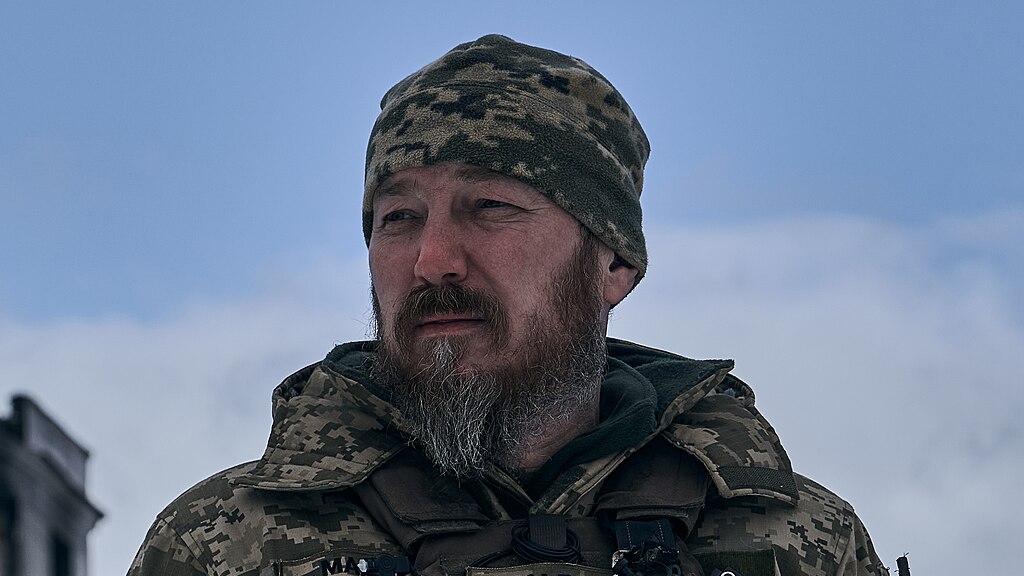
What the commander said
The commander of the Armed Forces of Ukraine's Unmanned Systems Forces, Robert ("Madyar") Brovdi, in an interview with The Economist gave concrete figures that for many sound like a new measure of combat effectiveness: according to him, the average cost of neutralizing one Russian soldier using a drone is about $878.
"We should be trading plastic and metal [drones] for dead Russians. That's the best exchange rate"
— Robert (Madyar) Brovdi, commander of the Armed Forces of Ukraine's Unmanned Systems Forces
Numbers and context
According to Madyar, the USF currently records a ratio of roughly 400 Russians to one Ukrainian in their area of influence — this is his assessment of operational effectiveness. The Unmanned Systems Forces, his team reports, are responsible for over a third of enemy losses, while accounting for only about 2% of the total strength of the Armed Forces of Ukraine.
The brigade known as the "Madyar's Birds" estimates its contribution to enemy losses at roughly 1/6 of total losses in certain sectors. At its peak in December, Russian losses sometimes reached 388 people per day — the equivalent of a battalion's assault strength, The Economist writes.
The media also cites calculations: since the start of winter, drones are estimated to have killed or neutralized at least 8,776 more soldiers than Moscow managed to recruit in the same period — a figure illustrating how the pace of losses compares to Russia's mobilization capacity.
The economics and logistics of the approach
This model — where relatively cheap equipment produces a disproportionate effect — makes drones a classic example of a "force multiplier." At the same time, it requires steady funding, repairs, operator training, and secure supply chains.
The costs of maintaining "kill zones" were previously discussed by the commander of the "Orion" unit, Valchuk: in his estimate, maintaining normal operations requires 15–20 million UAH per month (mostly for UAVs), LIGA.net reported. It's a simple reminder: effectiveness increases only with regular funding.
Why this matters for Ukraine
First, this figure provides a concrete benchmark — how much one decision on the battlefield costs in material terms. Second, it shows how technological advantage can offset the enemy's numerical superiority. And third, it's a signal to partners: investments in UAVs deliver a tangible and measurable effect.
But the limitations are also clear. Analysts note that Russia can scale up human and material resources — last year its forces grew by more than 100,000 people — and that drones alone are not a guarantee of a quick end to the war, The Economist observes.
"First let's see whether we can keep up this tempo next year. I have no rosy illusions that this war will end any time soon"
— Robert (Madyar) Brovdi, commander of the Armed Forces of Ukraine's Unmanned Systems Forces
Conclusion: what to do next
Madyar's figures are not merely tactical praise of drones. They are an argument for consistent funding, supply, and integration of unmanned systems into a broader strategy of imposing losses on the enemy. While some focus on the headlines, others calculate cost and efficiency — and whether we can maintain the tempo that is actually changing the economics of war depends on that.
Sources: interview with Robert Brovdi — The Economist; comments on LIGA.net; analytical mentions by expert Valentyn Badrak.





