What happened
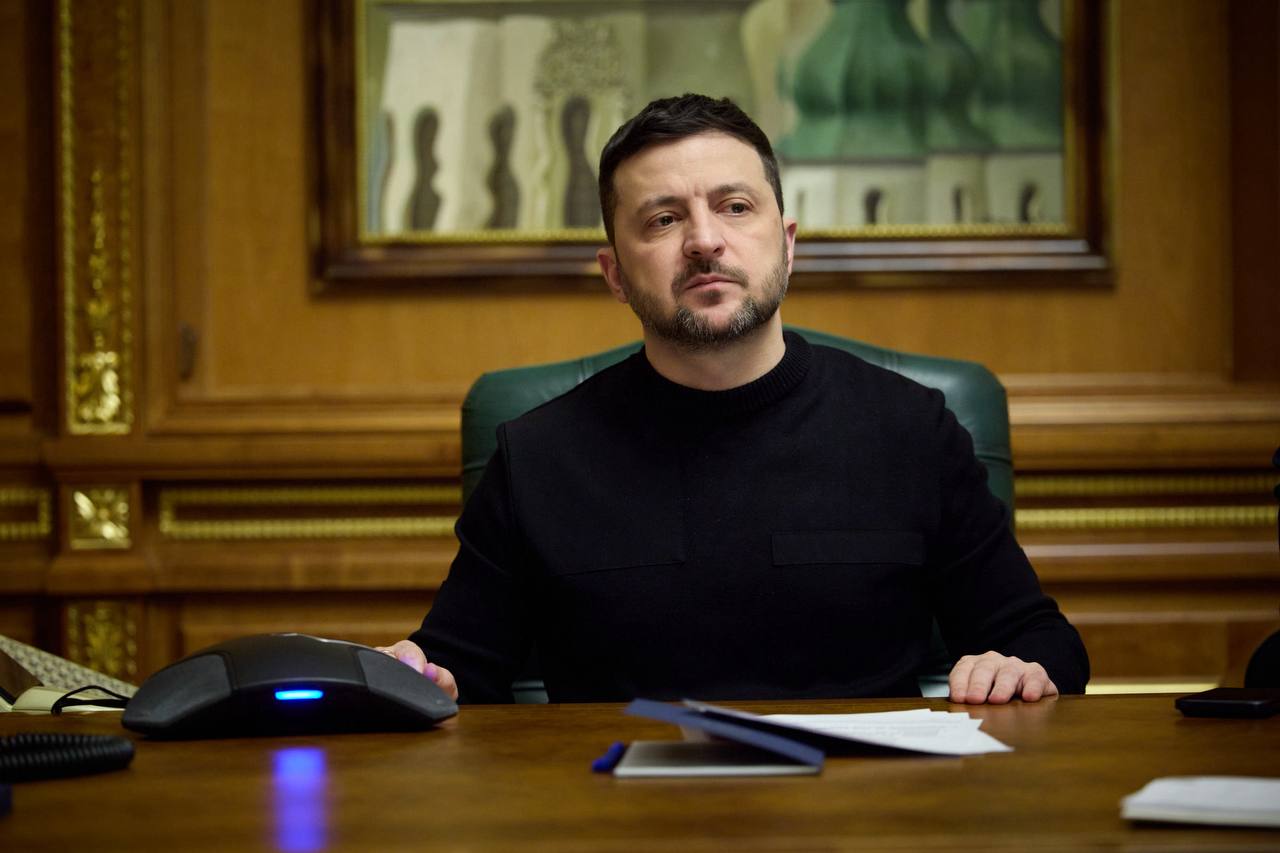
On March 15, President Volodymyr Zelensky signed decrees implementing the decisions of the National Security and Defense Council of Ukraine on a new sanctions package. The lists include companies and individuals who supplied the Russian military‑industrial complex, as well as Russian paralympians who justify the aggression and spread hostile propaganda. Official information was published by the Office of the President.
Who this affects
Decree No.243/2026 on the military‑industrial complex includes 130 individuals and 48 legal entities. The list contains enterprises involved in supplying components for the "Kometa" satellite navigation series and in the production of the "Oreshnik" rocket system. Iranian companies and instructors involved in the production and scaling of the use of drones and rockets — which were used in attacks against Ukraine and in the Middle East — are mentioned separately.
Decree No.244/2026 concerns 10 Russian paralympians who, according to the authorities' rationale, use sports venues to whitewash Russian aggression and spread propaganda.
“With this sanctions package we are exposing the key participants involved in the production of means of destruction that are used for attacks by Russia against Ukraine and by Iran against many countries.”
— Vladyslav Vlasiuk, adviser — presidential commissioner for sanctions policy
Why it matters
This is not a symbolic step: the sanctions are aimed at severing the production and logistics chains that enable Moscow to mass‑use UAVs and missiles. The inclusion of Iranian actors emphasizes the international dimension of the problem: the supply of technologies and training of operators amplifies not only the threat to Ukraine but also destabilization in the region.
Analysts note that the lists are part of a systemic policy: in February sanctions targeted 225 captains of the shadow fleet and 44 Russian companies; in March — Russian judges who handed down sentences to prisoners of war. This shows a shift from reactive measures to the formation of a long‑term pressure strategy.
What’s next
Sanctions by themselves will not eliminate production, but they complicate access to key components, technologies, and personnel. For maximum effectiveness, coordination with partners is required — both in terms of intelligence sharing and in legal and financial domains. While the sanction lists grow, work must focus on blocking financing and supply channels.
This is a signal: responsibility for arms trading and propaganda must have consequences. The next step is to turn the announced restrictions into concrete international actions that will actually stop shipments of death and disrupt the enemy’s information networks.





