In brief — why this matters
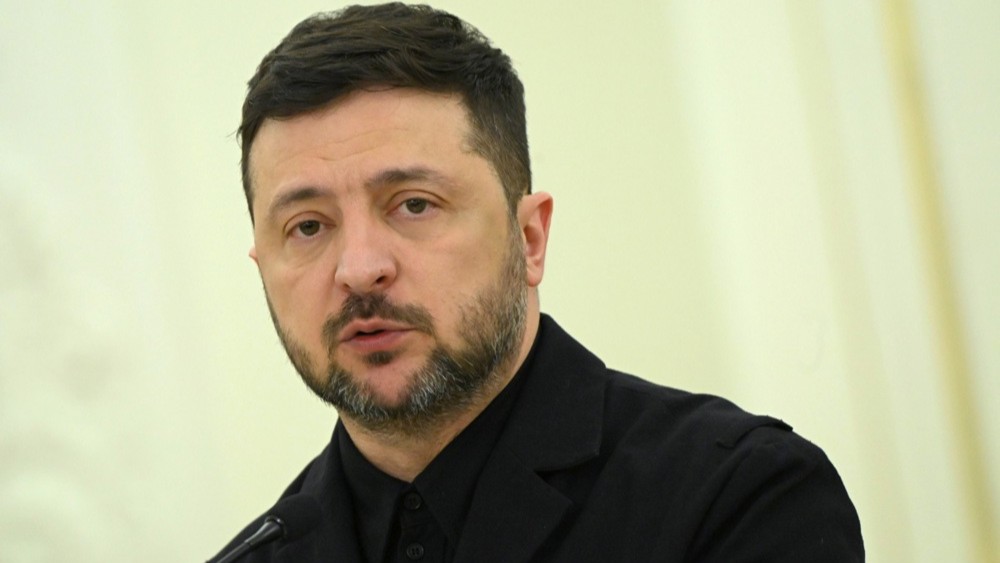
According to President Volodymyr Zelensky, Russia was forecast to have a budget deficit of $100 billion for 2026, but over the past 14–15 days the Kremlin has earned about $10 billion. These are not just numbers: they change the balance of power, affect the regime’s resilience, and determine how effective Ukrainian strikes and Western sanctions will continue to be.
What the president said
During a conversation with the media on March 14, Zelensky assessed the impact of long-range strikes on Russian infrastructure and the simultaneous easing of sanctions in the context of the Middle East crisis.
"This instrument definitely works. Strikes deep into the Russian Federation, especially on the defense industry and the oil sector, have definitely worked. We understand their losses... today's energy situation helps them recover lost money."
— Volodymyr Zelensky, President of Ukraine
Energy backdrop: licenses, tankers and markets
The situation became more complicated after energy prices rose due to the conflict in the Middle East. Bloomberg, citing the International Energy Agency (IEA), reported that in February Russia’s revenues from crude oil exports fell to $9.5 billion — $1.5 billion less than in January. However, temporary easing of sanctions by the United States (a 30‑day license for operations with Russian oil issued in March) and similar decisions regarding certain buyers provide the Kremlin with additional financial inflows.
Zelensky directly links these decisions to the ability to "close" deficits: if sanctions are loosened, the increase in petrodollars can compensate for losses from strikes on infrastructure.
Diplomacy and maritime links
The president noted that the issue of the tanker fleet and methods of evading restrictions was discussed with European leaders, including Emmanuel Macron. Ukraine insists on restrictive tools — from stopping and confiscating cargoes to tracking shadow shipping.
"If there are no sanctions against Moscow, then only Ukrainian weapons will be left fighting to prevent the Russians from earning. However, that is not enough."
— Volodymyr Zelensky, President of Ukraine
What partners have already done and why it matters
In the first weeks of March the United States issued short-term licenses, and certain countries began loosening restrictions on the purchase of Russian oil — steps that, according to finance officials, could give the Kremlin "significant financial benefit." Meanwhile, some politicians have already talked about reinstating sanctions once the situation in the Middle East stabilizes.
This shows a simple logic: without a stable and coordinated sanctions regime, economic pressure weakens, and then a large part of the burden of the confrontation falls on military action — the same long-range strikes Kyiv speaks about.
Consequences for Ukraine: what to do next
Analysts and Ukrainian authorities agree that a combined strategy — diplomacy to uphold sanctions plus targeted strikes against critically important sectors of the Russian economy — remains key. That means two simple things for us: strengthen international coordination on oil transit and continue operations that undermine the aggressor’s ability to generate revenue.
Conclusion
Numbers are not abstract: $10 billion over two weeks can temporarily relieve financial pressure on the Kremlin, but they do not change the fundamental dependence of the Russian economy on energy exports and the vulnerability of its infrastructure. Now it is up to the partners — whether they can turn temporary measures into lasting restrictions that deprive the aggressor of the ability to steadily rebuild its budget.





