Briefly and why this matters
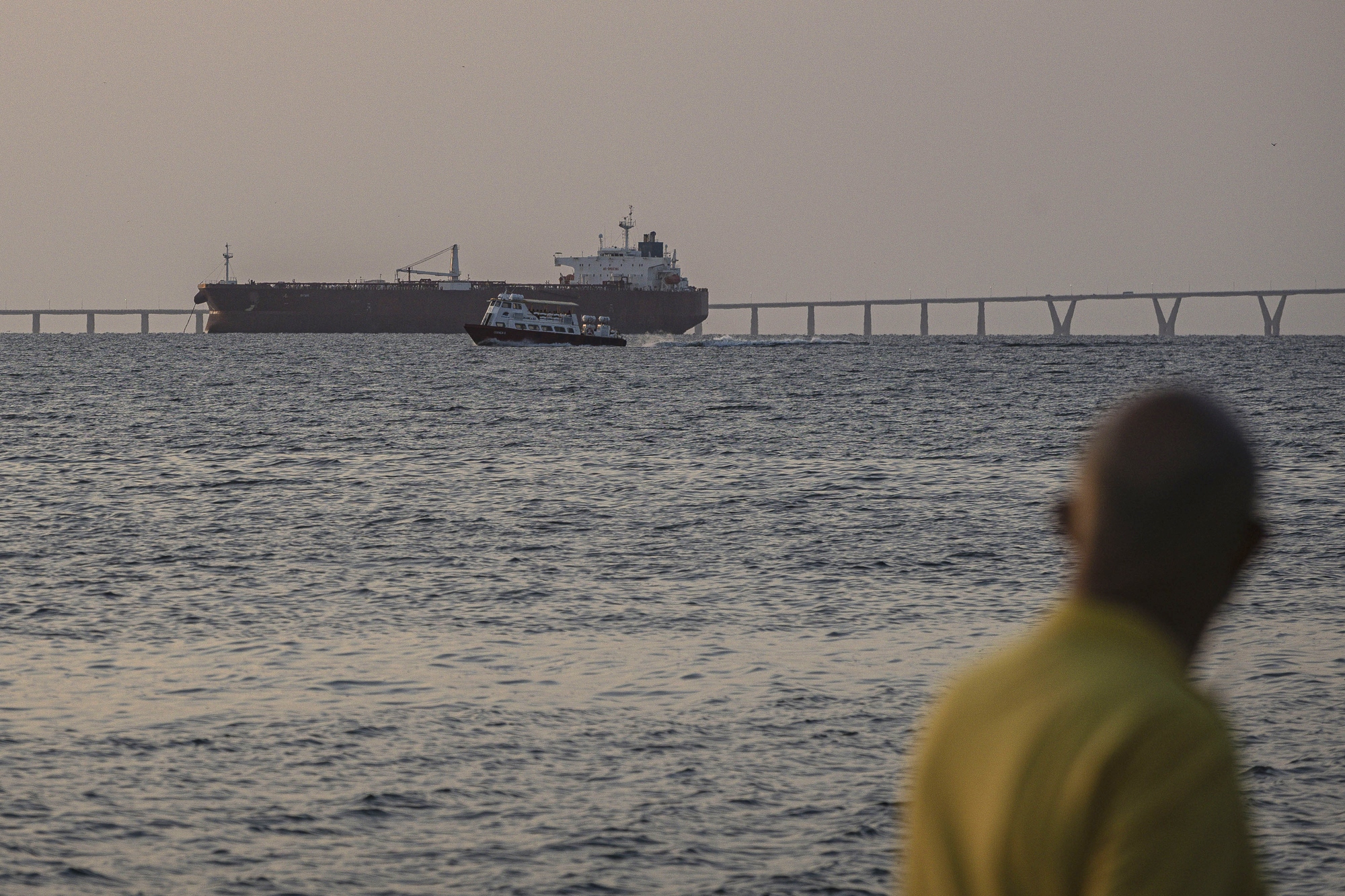
The New York Times reports: an oil tanker previously known as Bella 1 is now listed on the Russian register under the name “Marinera” with its port of registry — Sochi. This matters to the reader not for drama on the waves, but for practical consequences: Russian registration complicates the United States’ ability to physically seize the vessel and turns the incident into a case of geopolitics rather than solely a law-enforcement operation.
What happened (facts)
According to the NYT, after a stop in the area of Venezuela for inspection the vessel was reportedly carrying Iranian oil and avoided inspection by the U.S. Coast Guard. After an attempt to approach on December 20, U.S. forces determined the ship was sailing under an invalid flag. Later a record was entered into a Russian database indicating the ship is now “under the Russian flag,” and crew members allegedly painted a Russian flag on board.
"The oil tanker ... is now listed in the Russian ship registry, which may complicate U.S. military access to it."
— The New York Times
"The tanker refused inspection and has been hiding since."
— U.S. officials
Legal context: why registration matters
Under international maritime law a vessel flying a particular flag is subject to the jurisdiction of that state. That means that without the consent of the flag state any forcible boarding by armed forces can be seen as a violation of sovereignty. So actual or formal registration in the Russian Federation creates an additional legal and diplomatic barrier for the United States — even if Washington has a court order to seize the vessel over suspicions it was transporting oil linked to financing terrorism.
Why this matters for Ukraine
Two things matter for Ukraine. First, any weakening of international sanctions mechanisms and the ability to enforce them allows regimes and networks that support authoritarian states to preserve financial flows. Second, the practice of providing “safe harbor” to vessels avoiding inspection undermines international coordination — the same coordination needed to sustain defense and economic pressure on Russia.
Possible scenarios and what to expect next
In short — Options for action by the U.S. and partners:
- diplomatic pressure on Russia to remove the registration (unlikely without additional leverage);
- seeking legal grounds for seizure in a third-country port or through legal proceedings against the vessel’s owners;
- increased tracking and blocking of the financial and insurance channels that serve such vessels;
- risk of escalation: a direct maritime intervention is dangerous and carries political consequences.
Analysis: why this plays to the Kremlin’s advantage
Registering the vessel in Russia is not only a practice of “protection.” It sends a signal to other actors in global oil trading networks: Russia is prepared to provide cover to avoid the consequences of sanctions. This weakens Western pressure tools, raises the costs of monitoring, and forces partners to choose — either strengthen coordination or accept concessions.
Conclusion
The incident with Bella 1 is not just a story about a single ship. It is a test of the international sanctions system and of partners’ ability to act in a coordinated way under legal and diplomatic pressure. Now the move is up to the partners: declarations must turn into legal steps and technical solutions that will block sanction‑evasion networks, not allow them to adapt.





