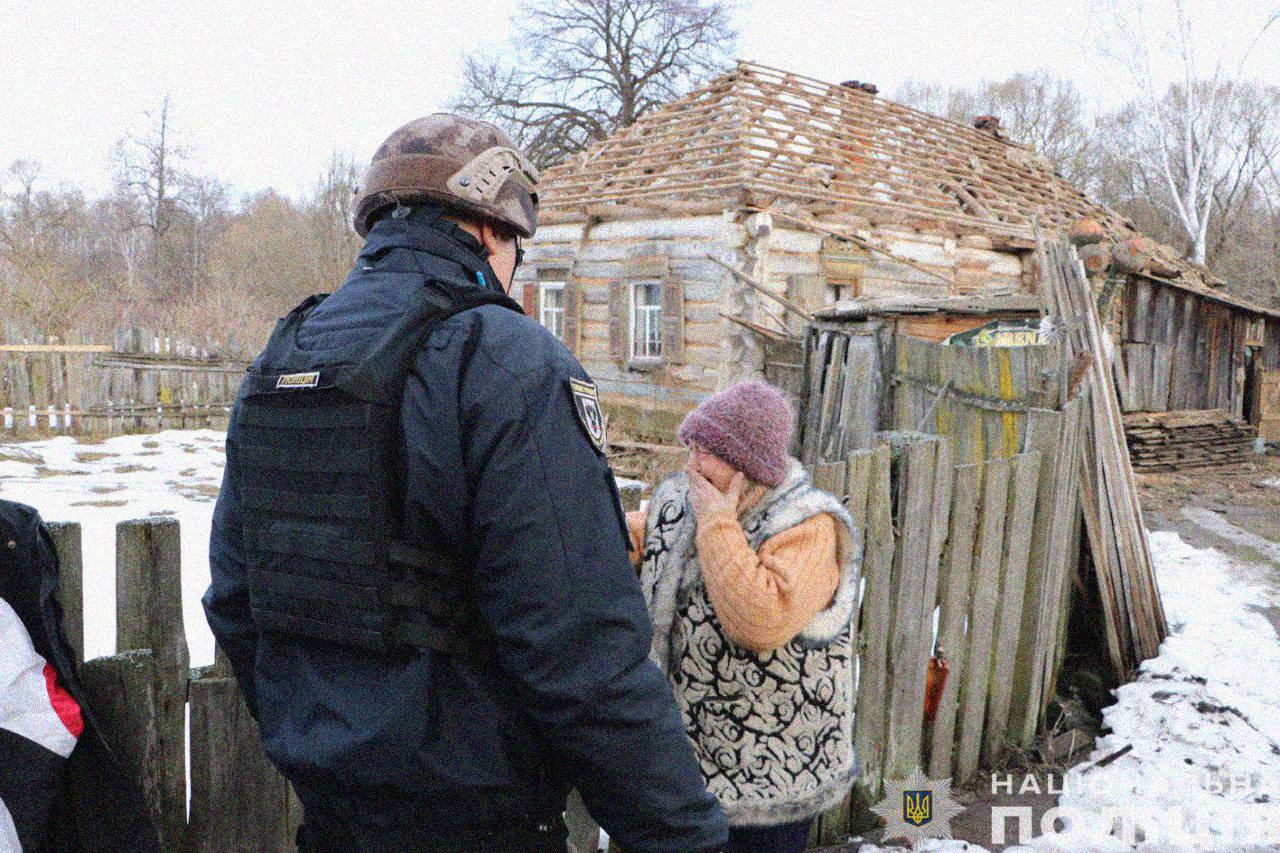
Who is under evacuation
The Chernihiv Regional Military Administration announced a mandatory evacuation of residents of 14 border villages in the communities of Novhorod‑Siverska, Semenivska, Snovska and Horodnia. The decision was signed by the head of the RMA, Vyacheslav Chaus.
How the process will be organized
Residents will be informed about the collection points. Local administrations, rescue services and the police are involved in the operation — evacuation routes have been developed and available transport deployed. The evacuation is planned to be completed within 30 days. A mandatory condition is the accommodation of evacuees: temporary housing is guaranteed for people.
Why this happened: security context
According to the head of the RMA, border communities are experiencing daily shelling, making civilian presence in the high‑risk area unacceptable. Currently about 300 people remain in these villages; so far this year just over 1,400 residents have left the border area.
"The region's border area is under daily shelling. Despite the real threat, about 300 people still live there"
— Vyacheslav Chaus, head of the Chernihiv Regional Military Administration
Recent attacks that prompted the decision
On the night of December 25, Russian strikes hit infrastructure in Chernihiv region, including the energy sector: two people were killed and two others were injured. On December 30, Shahed drone attacks damaged an important energy facility in the Chernihiv and Nizhyn districts. These strikes increase risks to civilian life and complicate the provision of basic services in the border area.
What matters to locals and partners
For residents — follow instructions from local authorities and security services, and prepare documents and medicines. For communities and volunteers — coordination and rapid assistance with accommodation and basic needs will be key. For state and international partners — this is a signal: evacuations and infrastructure restoration will require resources and clear logistics.
Conclusion
Mandatory evacuation is not just about moving people; it's about reducing the risk to life and enabling the repair of critical infrastructure. The question now is not only about logistics, but about resources and coordination: will there be enough systemic support to make the relocation safe and dignified for those leaving their homes?





