What happened
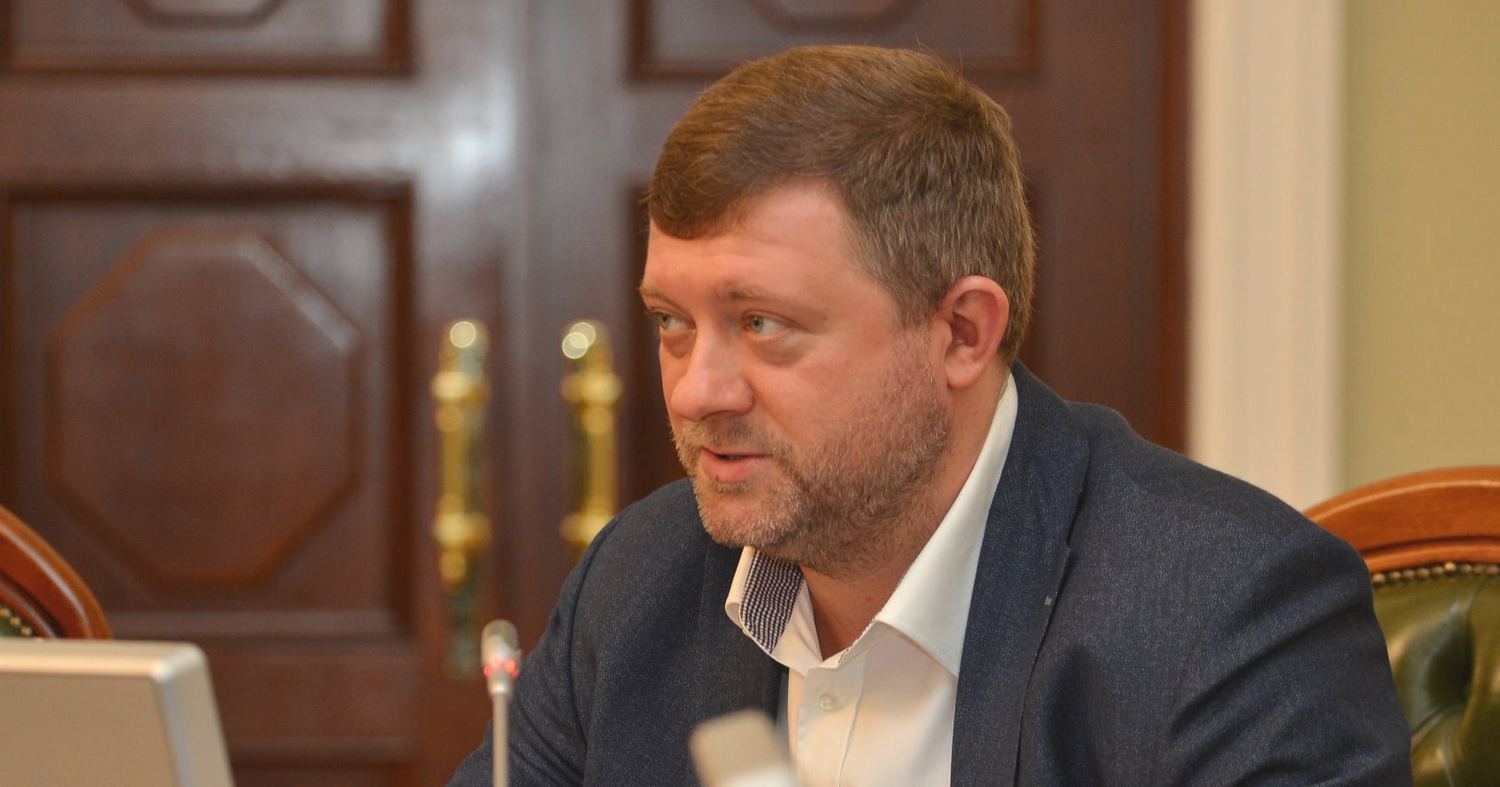
By an evening decision of the Servant of the People party congress on 17 December, its head became First Deputy Speaker of the Verkhovna Rada Oleksandr Korniienko. This was reported by the faction leader in parliament, Davyd Arakhamia; the previous party head — Olena Shuliak — handed over the powers.
“I want to thank Olena Shuliak for her high-quality and honest work in this position and wish Oleksandr continued success and inspiration!”
— Davyd Arakhamia, head of the "Servant of the People" faction
Why it matters
Party leadership is not just symbolic: it is an instrument for coordinating campaigns, allocating resources, and candidate "preparation." If the political conjuncture changes (for example, due to progress in the war or international agreements), the party will have a faster decision-making mechanism through closer integration of parliamentary and party lines.
Sources at LIGA.net reported the possibility of such an appointment before the congress; within the faction this is linked to the assumption that, should there be certain advances on the war or on an agreement, the party may face the task of organizing an electoral process on short notice.
Consequences and scenarios
Briefly on the key effects:
1) Internal consolidation. Korniienko's appointment means strengthening the link between the faction in the Rada and the party apparatus — quicker decisions within the political team become more realistic.
2) Preparation for an uncertain election horizon. Statements about possible elections "within half a year" under certain conditions indicate that the party is preparing mechanisms for a rapid campaign launch — from personnel lists to logistics.
3) A signal to external and internal partners. It is a message to both allies and opponents: the political machine is set up to become active at the slightest change in the situation.
What to watch
- Official statements from the party headquarters about personnel changes and strategy — will communication and personnel priorities change.
- Internal agreements within the faction: will new coordination groups appear to lead preparations for possible elections.
- Signals from international partners and the results of diplomatic processes that could make an election scenario realistic.
Conclusion
This decision is not just a name change on the party letterhead. It reflects a desire for more operational political mobilization and preparation for a potentially rapid shift into an electoral mode if external conditions change. The question now is practical: will this personnel decision turn into a real strategy capable of delivering on tasks in an extraordinary political cycle?
Sources: statement by faction leader Davyd Arakhamia, LIGA.net materials (17 December).