In high diplomacy, quiet agreements matter more than loud statements
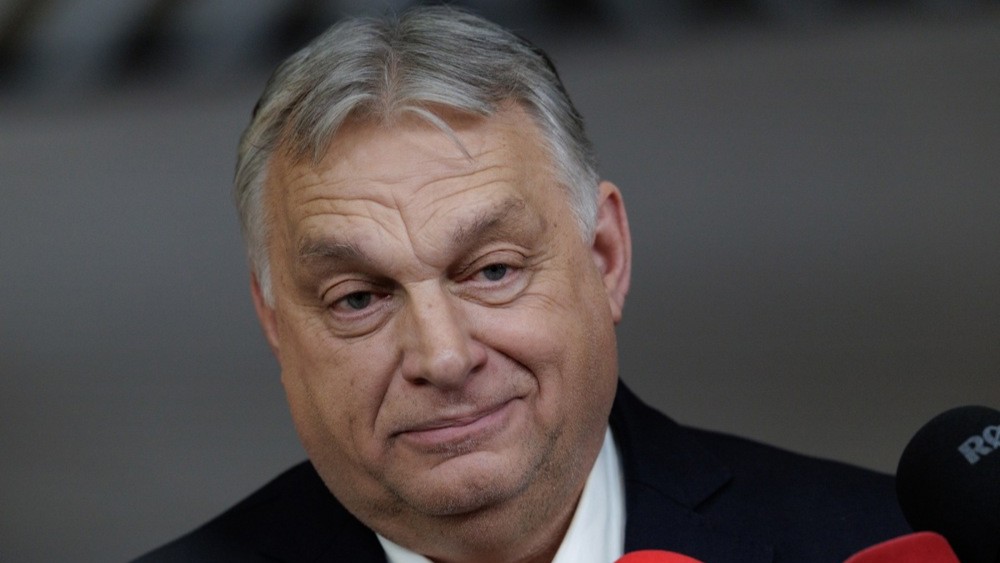
Politico, citing diplomatic sources, writes that Prime Minister Viktor Orbán’s threat to block the disbursement of a €90 billion loan to Ukraine became a wake-up call for EU capitals. According to the publication’s interlocutors, this “crossed a red line” and is forcing the bloc to prepare for serious talks and potential countermeasures if Orbán is re-elected on 12 April 2026.
What exactly is happening
According to Politico, five EU diplomats and one European government minister said Budapest’s actions — in particular blocking the loan and intensifying anti‑Ukrainian rhetoric — have taken relations with Europe to a new level of tension. Diplomats warn of “retribution” that could follow the elections if Orbán remains in power.
"He crossed the red line — and that makes possible steps that were previously only talked about behind the scenes."
— unnamed diplomat, Politico
EU’s position: pressure or strategy?
In Brussels there is not yet unanimity to use the harshest instrument — Article 7, which can strip Hungary of its voting rights. However, other levers exist: conditioning payments on stricter rule-of-law requirements, legal initiatives to obstruct financing, as well as political pressure in the form of sanctions and coordination with partners. The European Commission, it is reported, hopes to see progress on the loan — preferably before the European Council meeting on 19–20 March.
Why this matters for Ukraine
First, it is not only about €90 billion as a number: it is a chain of security, logistics, and economic stability for our defense and reconstruction. Second, the behavior of a single member tests the EU’s readiness to act collectively in the face of external aggression and internal challenges. Kremlin influence and Budapest’s anti‑Ukrainian rhetoric, analysts and LIGA.net believe, increase the risk that the decisions of one government could become a tool of geopolitical blackmail.
Instruments and scenarios
Diplomats name several realistic options: from conditionally tying payments to clear legal criteria to initiating legal procedures against Hungary for obstructing EU decisions. EU teams are also discussing a “plan B” in case of a blockade — a variant reported by Politico envisages mechanisms that would allow advancing funding without Budapest’s direct consent or increasing the political and economic isolation of the current Hungarian authorities.
What Ukraine can do
Our partners expect clear signals from Ukraine about the effective use of funds, transparency, and readiness for reforms that reduce the political risk for those providing assistance. At the same time the diplomatic front must remain active: informing governments and parliamentary groups across the EU about security risks and the specific needs each tranche of aid addresses.
"Retribution is inevitable regardless of the election result — but it will come sooner if Orbán is re‑elected."
— representative of a European government, Politico
Conclusion
This story is a test of European solidarity. For Ukraine the key is to turn international support from declarations into stable financing and security. While attention is focused on Ukrainian needs, negotiations are happening in the corridors of the EU that will determine whether partners can neutralize the pressure tools of certain capitals. Whether the EU has the political will and legal mechanisms is the number one question in the months ahead.





