Briefly
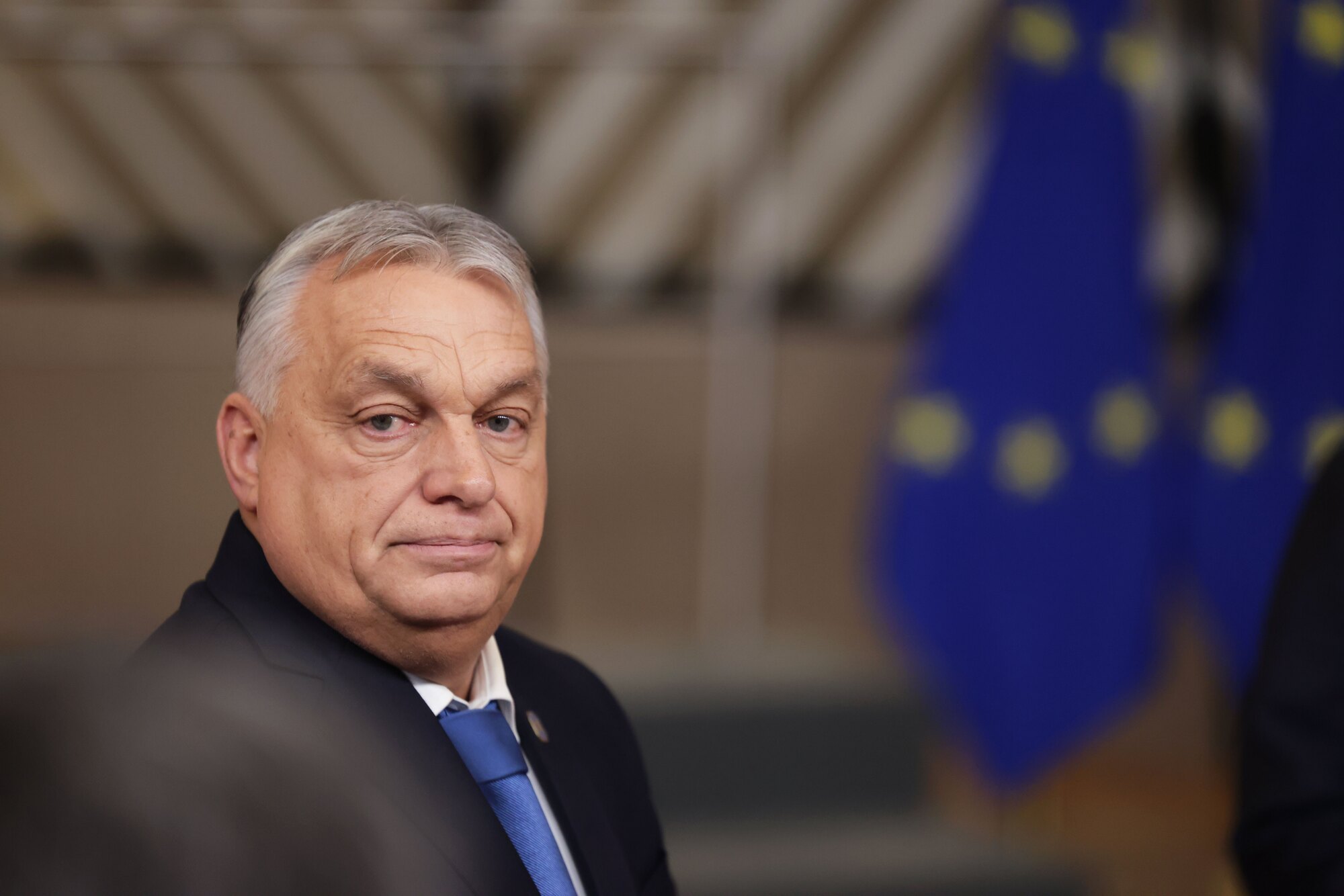
After Volodymyr Zelensky's speech at the Munich Security Conference, Hungary's prime minister Viktor Orban reacted publicly, calling the speech "an electioneering address" and claiming that Ukraine allegedly cannot become a member of the EU. This dispute goes beyond personal insults — it touches on the decision-making mechanisms in the European Union and on how quickly and coherently European partners will be able to respond to Ukraine's needs.
Orban's position
"Thank you for yet another electioneering speech in support of Ukraine's accession to the EU. This will help Hungarians see the situation more clearly. However, there is something you misunderstand: these debates are not about me and not about you. They concern the future of Hungary, Ukraine and Europe"
— Viktor Orban, prime minister of Hungary (post on X)
Orban has also sharply declared that Hungary will not allow Ukraine's euro-integration "for 100 years." This is radical rhetoric, but the main point is not the dramatic phrasing but Budapest's real ability to block decisions that require unanimity in the EU.
What Zelensky said and why it matters
"Behind our people are an independent Poland, the free Baltic countries, Moldova, Romania — without dictators. And even one Viktor may be thinking about how to grow a belly, not about how to build up an army to stop the return of Russian tanks to the streets of Budapest"
— Volodymyr Zelensky, president of Ukraine (speech at the Munich Security Conference)
The remark was intended to emphasize that Ukraine is effectively holding the "European front" and that Europe's security depends on our ability to resist aggression. Such rhetoric mobilizes allies and public opinion but at the same time complicates dialogue with countries that choose other priorities — notably Hungary.
Context and consequences
Agreements on euro-integration and sanctions often require consensus or a strong political coalition. Hungary has already used blocking tools in the European Parliament and in the Council of the EU. Therefore Orban's rhetoric has practical significance: it can slow down or complicate the procedures Ukraine needs to obtain status or additional support.
European diplomats and analysts note that such public confrontations move part of the negotiations from closed rooms into the public sphere — and that changes the balance of influence. Instead of quiet agreements, we have public statements that are harder to adjust without a loss of face for the parties.
What this means for Ukraine
First, Orban's rhetoric underscores the need to work not only at the public level but also in diplomatic backrooms: arguments are needed that will convince critical partners of the security rationale and strategic benefits of Ukraine's integration.
Second, it is important for citizens to understand that such disputes affect not only the symbolic status of the country in the EU but also practical assistance — funding, arms supplies, sanctions. Therefore foreign-policy work must be both public and technical.
Conclusion
Verbal escalation between Kyiv and Budapest is not just a matter of personal insults. It is an indicator of how far some European leaders are prepared to go in defending their domestic interests and how much this can slow processes critical for Ukraine's security. The next question is for diplomacy: whether it will be possible to turn rhetoric into concrete agreements — and how quickly partners can confirm support that has a tangible impact on the front.





