What happened
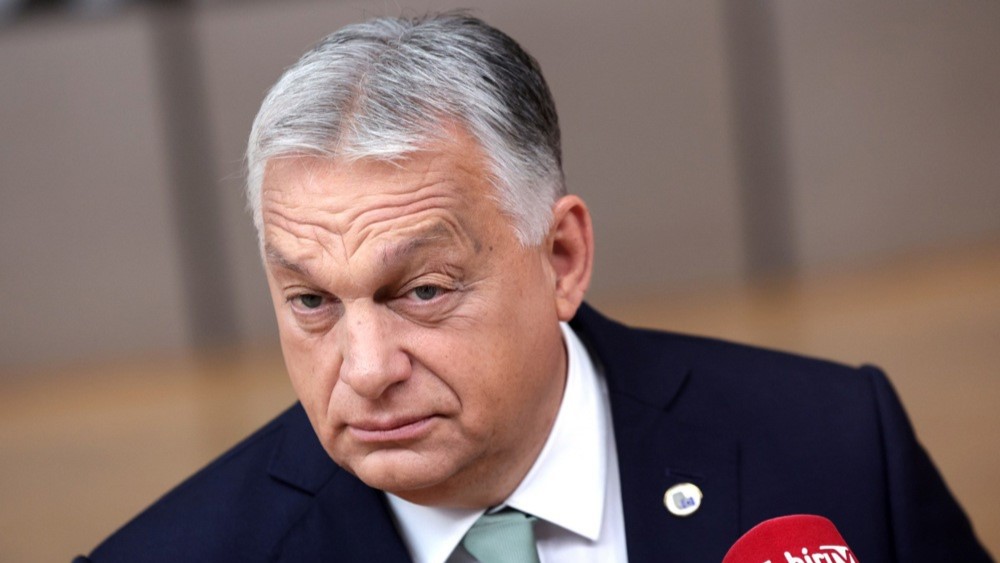
Hungarian Prime Minister Viktor Orbán released a campaign video in which he accuses President Volodymyr Zelensky and Kyiv of "interfering in Hungarian elections" and "energy blackmail" by allegedly blocking oil supplies through the Druzhba (Friendship) pipeline. The video was posted on the prime minister's X account and contains footage featuring European politicians, including Ursula von der Leyen.
What exactly Orbán said
"Ukraine wants chaos in Hungary. They're meddling in the Hungarian election by financing the opposition Tisza Party. They are also using political blackmail by blocking oil deliveries through the Friendship pipeline to drive up fuel prices and household costs. Hungary will not…"
— Viktor Orbán, Prime Minister of Hungary (public post on X, 19 February 2026)
Why this matters for Ukraine
Political context. Parliamentary elections in Hungary are scheduled for 12 April 2026 — the clip is aimed at mobilizing the electorate and discrediting pro-European and pro-Ukrainian forces. In this key, the accusations against Kyiv serve two functions: to divert attention from domestic problems and to strengthen the portrayal of an external enemy.
Energy implications. Hungary and Slovakia announced on 18 February that they would halt diesel exports to Ukraine, citing disruptions in the transit of Russian oil. At the same time, the EU reported that there are no short-term supply risks in the region — countries have about 90 days of reserves. For Ukraine, however, this is a signal: supply chains remain vulnerable, and neighbors' political decisions can directly affect access to fuel.
Reactions and facts to remember
The Ukrainian Foreign Ministry responded that the disruptions were caused by a Russian attack on oil refining infrastructure in the Brody area. The Ukrainian side also strongly rejected the claims of financing the opposition, emphasizing the absence of evidence for such actions.
Additionally: the day before, at the Davos forum, Zelensky spoke critically about Orbán's pro-Russian policies, after which the Hungarian prime minister issued "carefully selected images" in response — the escalation in rhetoric between the leaders was noticeable even before the video.
Analysis: why Orbán is saying this (and what it means)
Rational motive. For a politician fighting for a fourth term, an external enemy is an effective mobilizer. Accusations of "interference" allow for the legitimization of tougher measures against the opposition and demonstrate concern for families' economic security — a message that resonates well with voters.
Strategic risk for Ukraine. Even if the claims of financing the opposition are unproven, such narratives can be used to justify trade restrictions or additional energy measures by Budapest. This means diplomacy must operate on two fronts: refute the facts and prepare technical alternatives for fuel and energy supplies.
What next
Rhetoric is expected to intensify in the months before the election. It is important for Ukraine to preserve its evidence base, inform EU partners, and strengthen energy supply logistics. For Ukrainians, this is a reminder: geopolitics has real-time effects on daily life — decisions made in Budapest can noticeably affect the fuel market and transit.
Conclusion. The Orbán video is not just a campaign stunt but part of a broader pressure strategy that combines energy and domestic politics. The coming weeks will show whether public accusations turn into practical restrictions, and how quickly Kyiv and its partners can neutralize potential risks.





