In brief
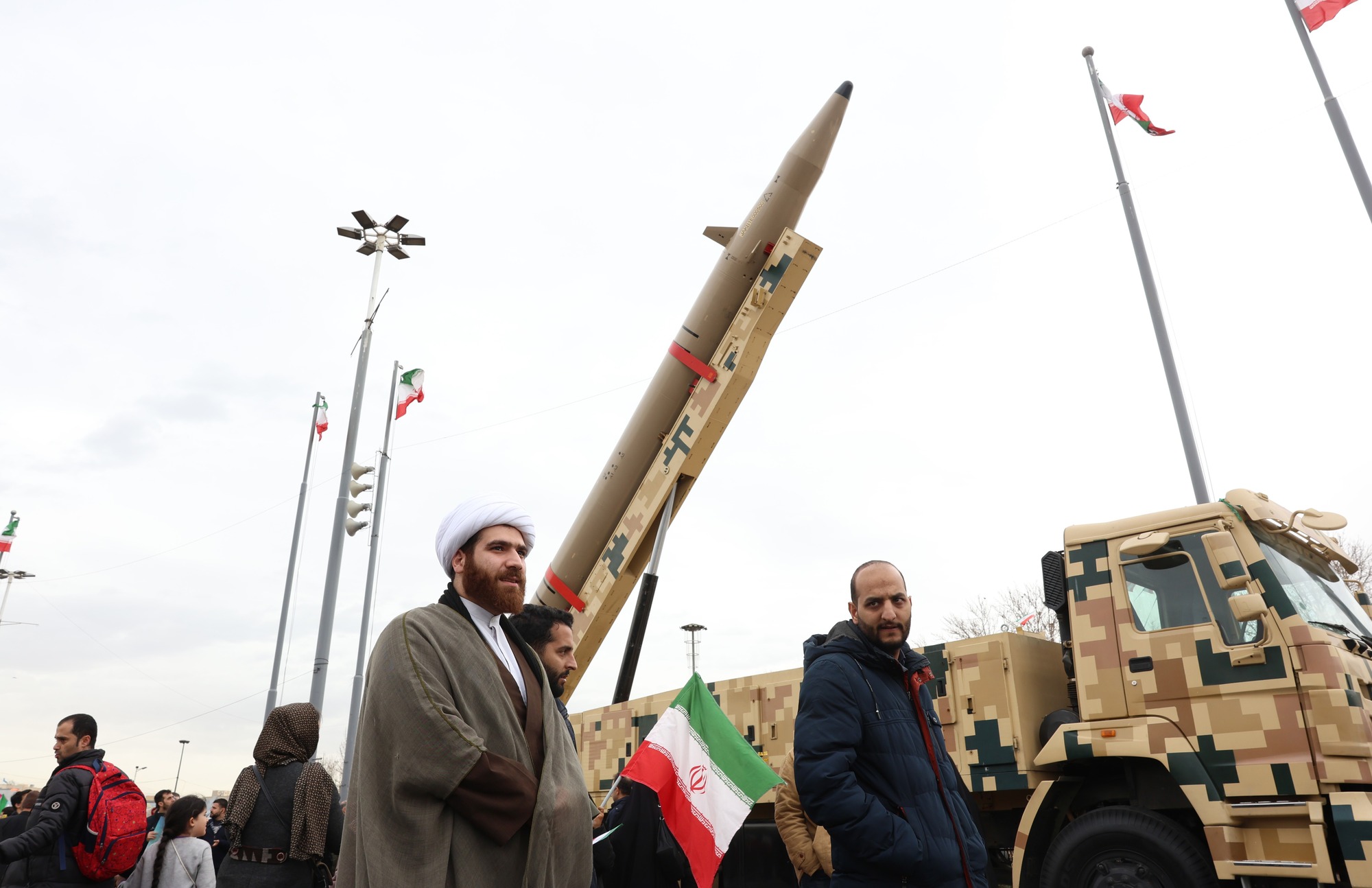
The Reuters agency, citing six unnamed interlocutors, reports that Iran is close to concluding a contract with China for CM‑302 anti-ship cruise missiles. Negotiations, according to sources, accelerated significantly after the June escalation between Israel and Iran.
What is known
According to available information, this concerns the export version of the CM‑302 missile: a range of about 280–290 km, a warhead of roughly 250 kg; the missile is designed for high-speed, low-altitude flight, which makes interception by air-defence systems difficult. Reuters could not confirm the number of weapons, the cost of the deal, or specific delivery timelines, and the Chinese foreign ministry and defence ministry did not comment.
"This will completely change the situation if Iran gains supersonic capabilities to attack ships in the area. These missiles are very hard to intercept"
— Denny Citrinovich, a former Israeli intelligence officer, senior Iran researcher (Institute for National Security Studies)
Why it matters
This is not just a single purchase. First, supersonic anti-ship weapons enhance Iran's ability to restrict freedom of action in the Persian Gulf and adjacent sea routes, increasing risks for US naval forces and international commercial traffic.
Second, if deliveries take place, this would be one of the most advanced packages of arms China could transfer to Iran, and would effectively breach previous international restrictions mentioned in the Reuters piece (the 2006 embargo, its lifting in 2015, and the reinstatement of restrictions in September last year).
"Iran has military and security agreements with its allies, and now is the appropriate time to make use of those agreements"
— Representative of Iran's Foreign Ministry, according to Reuters
What is unknown
Reuters explicitly points to gaps: the number of missiles, the delivery date, and the financial terms have not been confirmed. It also remains unclear whether a formal contract will be signed now — amid regional escalation, partners may slow down or modify the deal.
Consequences for the region and for Ukraine
Although the focus is the Middle East, this is an important signal for anyone watching the global defence ecosystem. The spread of high-precision missile technologies undermines confidence in arms-control regimes, complicates operational work for allied navies, and creates precedents that could be used in other hotspots.
For Ukraine, this matters in two ways: through the general erosion of arms-control norms, and because any weakened system often makes diplomatic and military responses more difficult for Western partners on whom we rely for arms and political support.
Conclusion
The Reuters report highlights the link between the silence of diplomatic arrangements and real changes on the security field. While the information is partly confirmed, it is important to follow two tracks: partners' reactions (diplomatic pressure, review of export controls) and practical steps to protect sea routes. Whether the international community can contain escalation and preserve arms-control mechanisms is the key question in the coming months.





