In a major war, not only the battles matter, but also the resources that sustain them
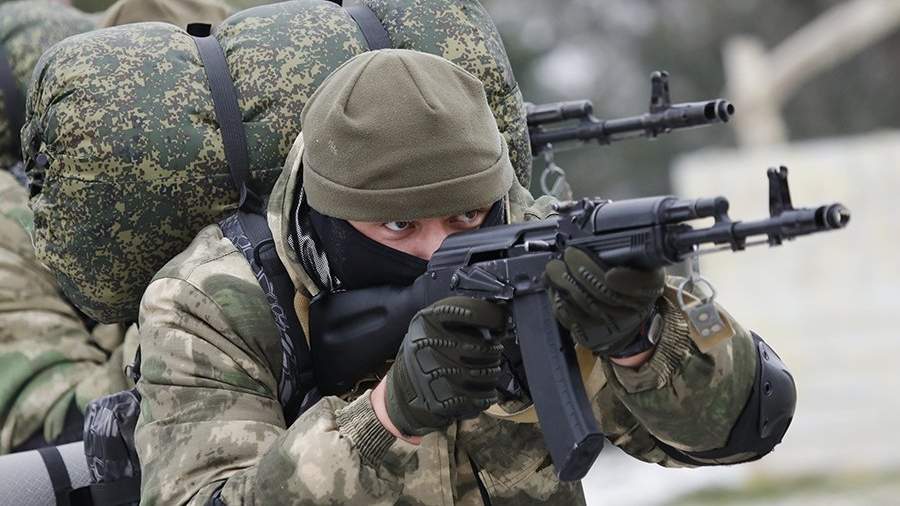
The spokesman for the Southern Defense Forces, Vladyslav Voloshyn, told LIGA.net that Russia continues to systematically replenish its losses on the southern axis — in personnel, equipment, and ammunition. This is not episodic rotation but a deliberate buildup of capacity that affects tactics and increases risks for the Ukrainian front.
What happened
According to intelligence, the enemy is massively redeploying resources: staffing units with personnel (including the 55th Marine Division of the Pacific Fleet, which is to be subordinated to the 5th Army); approximately 150 personnel were sent from the reserves to one of the regiments. Artillery in the area near Stepnohirsk received over 100 artillery rounds, and UAV units received roughly 400 strike "Molniya‑2" aerial drones. In addition, more than 250 combat vehicles are planned to be transferred from depots of the Eastern Military District to the temporarily occupied territories of Donetsk region.
"The enemy is now trying to replenish losses both in personnel and in equipment, to provide more units that can support with fire, ammunition and drones. All this indicates that the enemy does not intend to reduce activity on the southern axis."
— Vladyslav Voloshyn, spokesperson of the Southern Defense Forces
Tactical consequences
These deliveries change the balance of forces in local engagements: more artillery support and strike drones mean a greater chance of sustained barrages and support for assault actions. For the Armed Forces of Ukraine, this implies increased demands on air defenses, counter-battery warfare, and uninterrupted ammunition supply.
Context and scale
Kyiv declares a strategy aimed at exhausting the aggressor's potential — the figure of 50,000 Russian losses per month is cited as part of that logic. Analysts, including those at Foreign Policy, suggest that the tactic of "trading territory for time and enemy losses" could push Moscow toward political concessions. But reality is different: Moscow continues to accumulate resources — even recruitment plans for 2026 for 409,000 people (according to Syrskyi) indicate long-term mobilization readiness.
What this means for Ukrainians
First, security in the south will remain one of the key challenges in the coming months. Second, operational measures are needed: strengthening air defenses, intelligence and logistics; priorities are maintaining unit mobility and the resilience of ammunition supply. Third, a diplomatic pause caused by escalation in the Middle East reduces room for rapid political decisions, so the military component remains the main factor shaping the situation.
Conclusion
This is not just a redeployment — it is a signal marker: the Kremlin is willing to invest resources in new assaults. Ukraine must respond not with loud words but with systemic actions — from operational adaptation at the front to bolstering international assistance in critical areas. Whether partners are prepared to accelerate deliveries of air defense systems and counter-battery reconnaissance is the key question for the coming weeks.
Sources: LIGA.net, analysis by Foreign Policy, intelligence data, comments from the Southern Defense Forces.





