Briefly
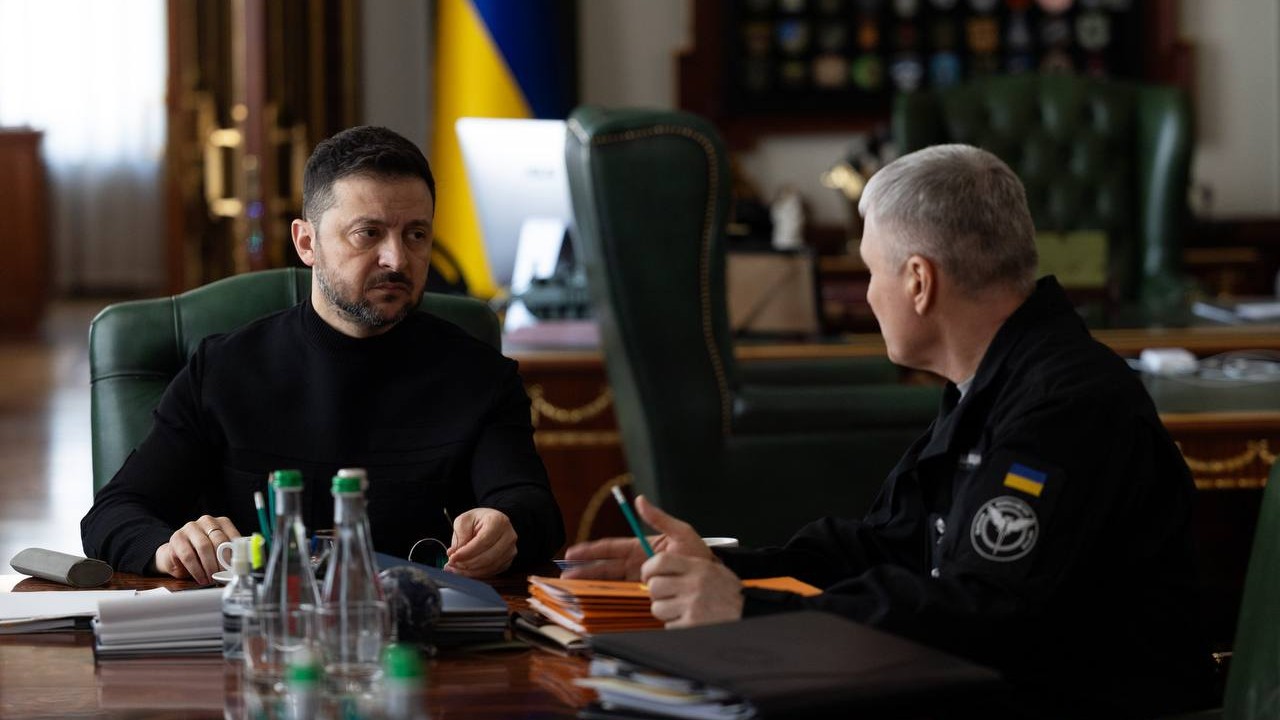
After a briefing by the head of Ukraine's Main Intelligence Directorate (GUR), Oleg Ivashchenko, President Volodymyr Zelensky said that Russia may try to use the war in the Middle East to achieve a complete lifting of energy sanctions. Kyiv is analyzing the data and coordinating countermeasures with partners.
What exactly Zelensky said
"In fact, this is now Russia's main calculation — to increase the risks of a prolonged war in the Middle East and in the Gulf region in order to weaken the world's pressure on Russia over the war against Ukraine as much as possible, to get out from under partners' sanctions, and to gain additional resources through fluctuations in oil and gas prices."
— Volodymyr Zelensky, President of Ukraine
Why this matters for Ukraine
Talks about easing energy sanctions could significantly change the balance of resources Russia uses to finance the war. Greater access to the oil market reduces the effectiveness of the economic pressure applied by partners and at the same time affects global energy prices — and therefore Ukraine's fuel market and inflation.
What is happening in the market and the world's reaction
The escalation in the region triggered a jump in prices: Brent rose to $119.5 per barrel at its peak; at the time of publication futures were trading at about ~$90, whereas a day before the outbreak of the conflict with Iran quotes were around $72.48. LIGA.net has already explained how these fluctuations affect the availability and cost of fuel in Ukraine.
According to Bloomberg and Reuters, the US granted India a temporary permission to import Russian oil that was already at sea; this decision is officially limited to volumes that were stuck in shipments. Bloomberg sources also report that some Indian companies purchased millions of barrels of Russian oil, but the largest Indian lender, State Bank of India, reportedly refused to process such payments.
U.S. administration officials note that any further easing of sanctions must be strictly limited; some analysts in Washington believe that the permissions should not become a path for restoring Moscow's full-scale oil business.
What Ukraine is doing and should do
Zelensky instructed intelligence to step up work against Russia's military production — part of efforts to reduce the aggressor's capabilities regardless of geopolitical upheavals worldwide. It is important for Kyiv to:
- promptly inform partners about intelligence findings;
- coordinate sanctions scenarios to prevent "loopholes" in the restrictions;
- work on domestic energy resilience, reducing vulnerability to price fluctuations.
Conclusion
The scenario in which escalation in one region is used to secure geoeconomic concessions elsewhere is not new. For Ukraine the key task is to turn diplomatic warnings into concrete guarantees: the sanctions architecture must be insensitive to the temporary political gains of individual states. While attention is fixed on the headlines, coordination of intelligence, diplomacy, and energy policy is needed.
Sources: remarks by the President of Ukraine; reports from Bloomberg, Reuters; LIGA.net materials on the impact of price fluctuations on fuel for Ukraine.





