In high diplomacy, quiet steps matter more than loud statements
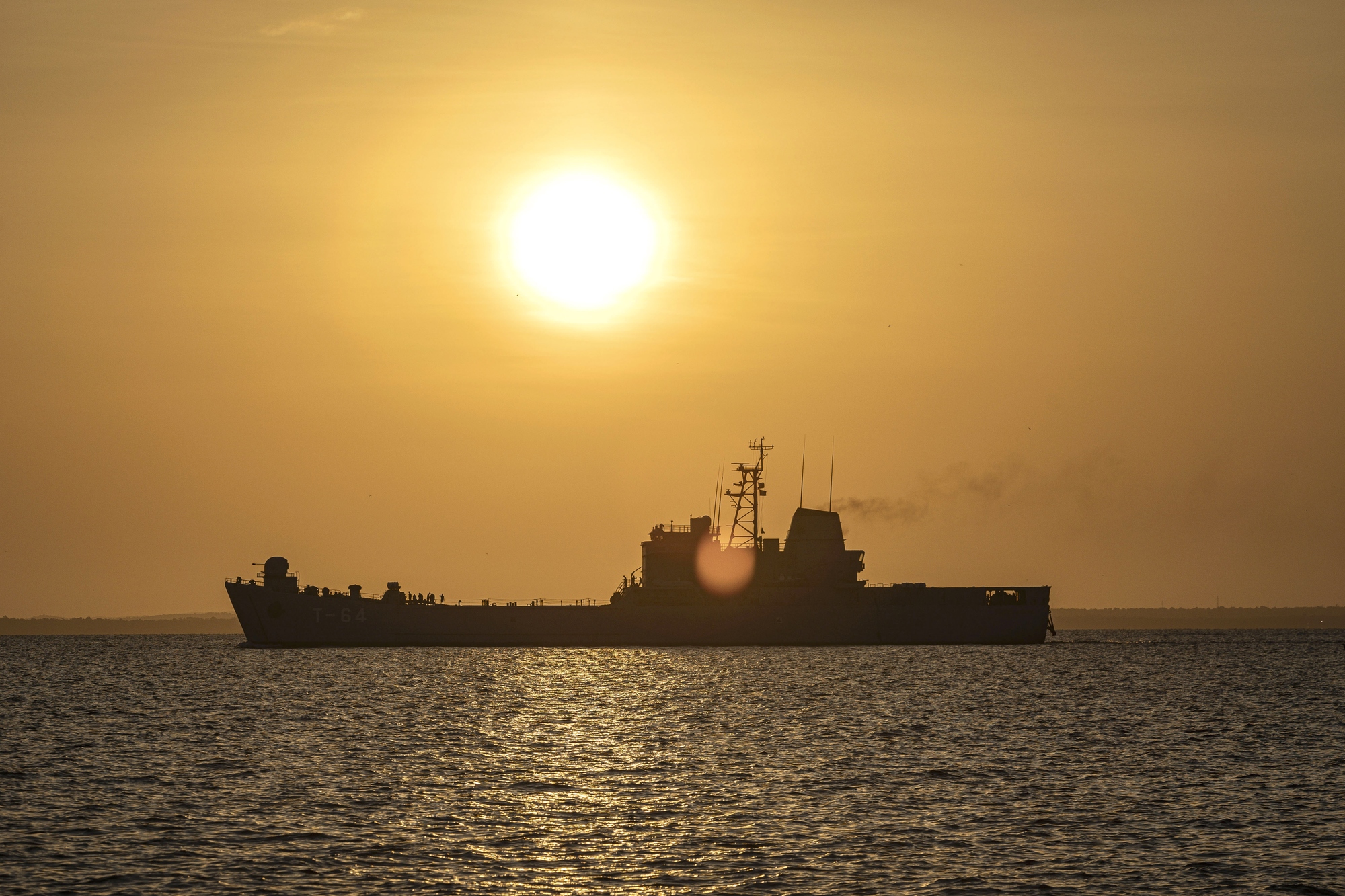
According to The New York Times, Russia dispatched at least one warship to meet and escort an oil tanker that U.S. authorities have been tracking and attempting to detain for several weeks. This move is not an isolated gesture: it directly relates to the practical enforcement of sanctions and to the rules governing freedom of navigation.
What is known about the incident
The NYT cites an unnamed U.S. official. According to the tracking system MarineTraffic, the tanker formerly known as Bella 1 (now — "Marinera") is sailing between Iceland and the United Kingdom with its transponder on. Earlier, the U.S. Coast Guard stopped the vessel in the Caribbean Sea, after which the crew refused inspection and put to sea into the open ocean.
"Russia dispatched at least one warship to meet and escort an oil tanker..."
— The New York Times
Where this could lead
There are several logical routes: the tanker could be heading for the Baltic Sea or could bypass Scandinavia toward Murmansk — Russia's ice-free Arctic port. Sailing under the Russian flag and the formal re-registration of vessels reported by the media complicate the application of Western sanctions and create a precedent for the "legal" protection of ships operating within a shadow fleet.
Why this matters for international security — and for Ukraine
This story is about more than a single tanker. First, it's a test of the capacity of international institutions and law-enforcement agencies to carry out decisions to seize ships that violate sanctions. Second, such operations undermine norms of civil navigation and further politicize maritime routes.
For Ukraine this has several dimensions: a more assertive Russian presence along key sea lanes raises risks to the transport of energy resources and trade; at the same time the Kremlin is testing how far partners are willing to go in enforcing sanctions, which also affects Europe's energy security.
What sources and experts say
The media also note the role of video materials circulated by RT, which attempt to demonstrate the presence of Russian "protection," as well as notices in the official Russian ship registry about the re-registration of several tankers. Maritime security analysts point out that such actions are an element of hybrid pressure: a combination of legal procedures, shows of force, and information messaging.
Conclusion: what to expect next
This escalation will not necessarily turn into an open maritime conflict, but it raises the stakes. Partners (including Ukraine) will need to strengthen coordination — both legally and operationally — so that sanctions are effective and the principles of open navigation remain protected. The question is not only about one tanker: will we allow practices that undermine international norms to be legitimized?





