What happened
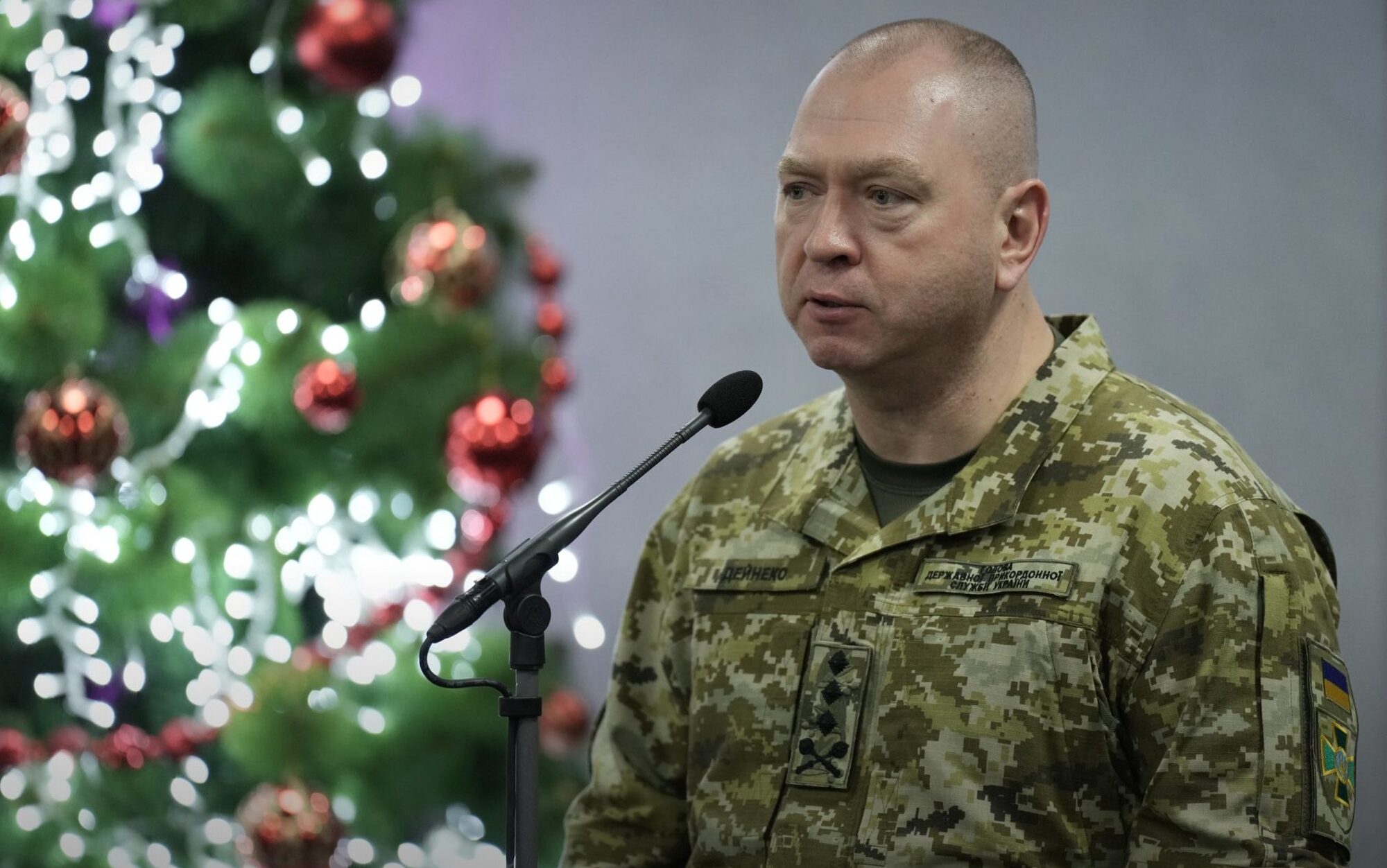
On January 4, President Volodymyr Zelenskyy signed Decree No. 9/2026 dismissing Serhiy Deineko from the position of Head of the State Border Guard Service of Ukraine (SBGSU). The same day, by Decree No. 10/2026, the first deputy head of the SBGSU, Valerii Varvyniuk, was instructed to temporarily perform the duties of the head of the service.
"Dismiss Serhiy Vasylyovych Deineko from the position of Head of the State Border Guard Service of Ukraine"
— Presidential Decree No. 9/2026
Who was appointed temporarily
Valerii Varvyniuk, who held the post of first deputy head of the SBGSU, is temporarily performing the duties of the service's leader. This is a standard mechanism to ensure continuity of command while the selection process for a permanent head is underway.
Personnel context and related rotations
The rotation takes place against the backdrop of a broader reorganization of the security bloc. On January 2, the president discussed with Minister of Internal Affairs Mykhailo Klymenko the activities of the SBGSU and instructed him to prepare candidates for replacement. According to official information, on the same day Serhiy Deineko was appointed adviser to the head of the MIA.
At the same time, the president offered Kyrylo Budanov the post of Head of the Office of the President, and Budanov agreed; the position of head of military intelligence was temporarily taken by Oleh Ivashchenko. All relevant decrees were signed that same day.
"The appointment will take place soon"
— Volodymyr Zelenskyy, President of Ukraine
What this means for border security
Shifts in leadership at key agencies concern both personnel and the speed of decision-making. In wartime, any pause in the management of the border service can affect logistics, control over border crossings and cooperation with the MIA and intelligence. That is why the temporary appointment of the first deputy is a pragmatic step to preserve command integrity.
Analysts and security experts point to another aspect: such rotations are often accompanied by attempts to strengthen interagency coordination. In the coming weeks it will be important that declarations turn into clear personnel decisions and practical cooperation between the structures responsible for the borders.
Conclusion
A dismissal and a temporary appointment are elements of administrative rotation, but in conditions of war every move has consequences for the country's security. The ball is now in the Ministry of Internal Affairs' court and in the official selection process: how quickly and professionally the transfer of authority is carried out will determine how resilient the border protection system remains.