What it’s about
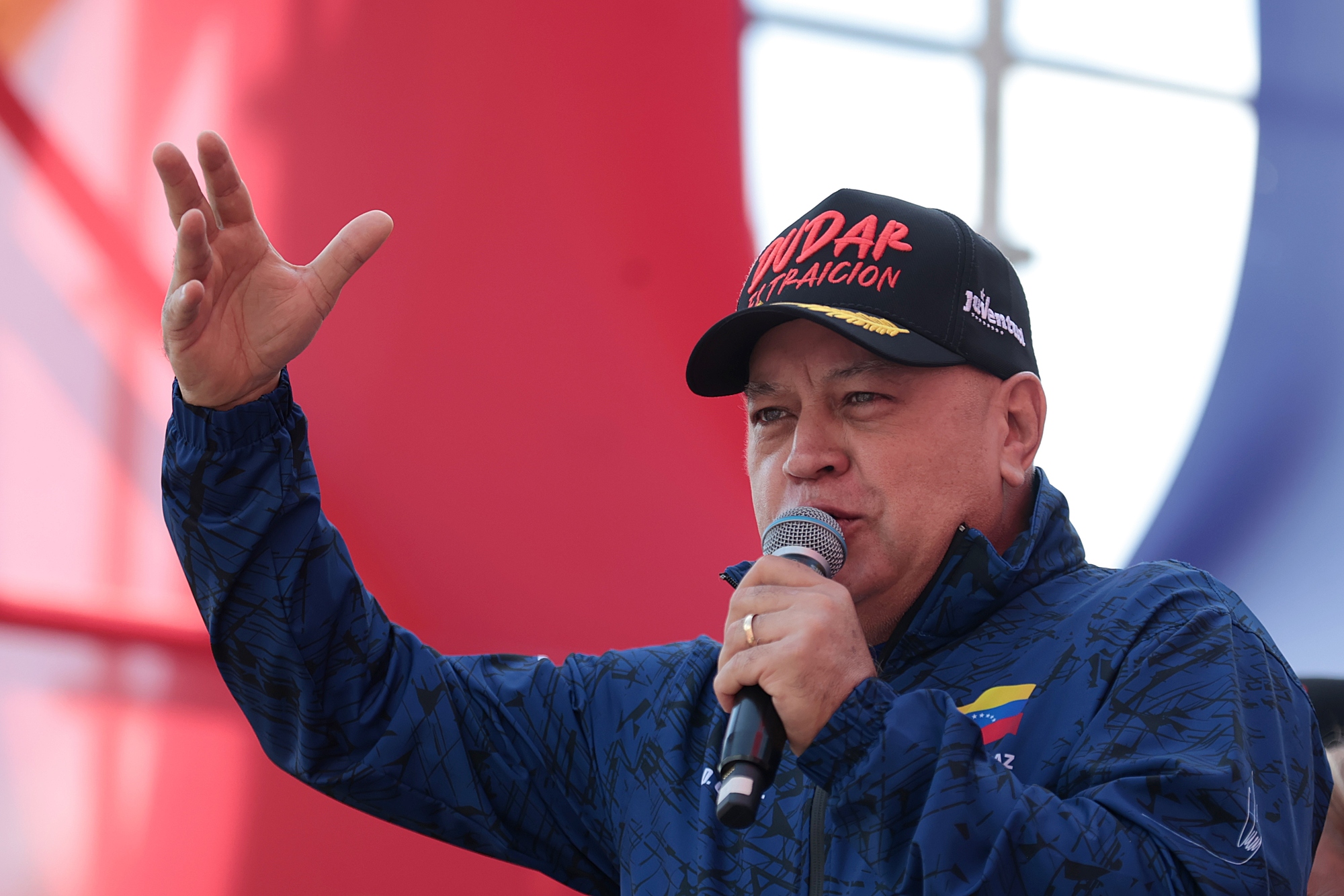
Reuters, citing three unnamed interlocutors, reported that the U.S. president’s administration warned Venezuela’s interior minister Diosdado Cabello that he could "meet the same fate as Maduro" if he does not support interim president Delcy Rodríguez and comply with Washington’s demands. This information has not yet been confirmed by official spokespeople for Cabello or the Venezuelan government.
What the sources said
According to Reuters, Cabello controls security units that have been accused of large-scale human rights abuses. Sources say the U.S., through intermediaries, gave him a clear signal: cooperation with Washington is a condition for avoiding criminal measures similar to those directed at Nicolás Maduro.
"This is, as before, a law-enforcement operation, and we are not finished yet"
— A U.S. Department of Justice official (speaking on condition of anonymity)
Risks and possible scenarios
Removing or holding a key security figure like Cabello to account is not a trivial step. Reuters highlights the likelihood of a reaction from pro-government motorcycle groups — «collectivos» — which could lead to street chaos that Washington seeks to avoid. Therefore Washington is balancing between using legal levers and the desire to preserve stability during the transition period.
Who else is in the crosshairs
Sources also name Defense Minister Vladimir Padrino among potential targets: he is alleged to have ties to drug trafficking, and a multimillion-dollar bounty has been placed on him. Such selective coordination of pressure on the elite is more an instrument than a one-off operation.
"The president is talking about using every lever of influence possible on the elements that remain in Venezuela and ensuring their cooperation with the U.S. by ending illegal migration, stopping drug flows, restoring oil infrastructure and taking measures that will be fair for the Venezuelan people"
— A senior Trump administration official (speaking on condition of anonymity)
Why this matters for the region — and for Ukraine
This case demonstrates how major powers combine law-enforcement tools and diplomatic pressure to achieve geopolitical objectives. For Europe and countries watching stability in Latin America, the direct lines of consequence run through three areas: migration, drug trafficking and energy security. For Ukraine this is important as a precedent: an increased willingness of major players to use legal and operational methods against regime elites changes the rules of the game for regimes that violate international norms.
Conclusion
The warning to Cabello is a signal that the U.S. strategy toward Venezuela combines pressure on individual elites with a desire to minimize chaos. Analysts note that such actions can trigger chain reactions in the region, but also carry the risk of escalating local violence. The next move is up to actors in Caracas and those who control the real levers of power: declarations must turn into concrete steps — or remain statements that push events toward unpredictable consequences.





