Quick brief: why read this
The statement by a U.S. senator came amid rising tensions around Venezuela and conflicting reports about incidents in Caracas. For partners in Europe and regional allies, such moves mean not only diplomatic pressure but also practical consequences for energy supply chains and the security architecture. We break down the essence and possible consequences.
What Rubio actually said
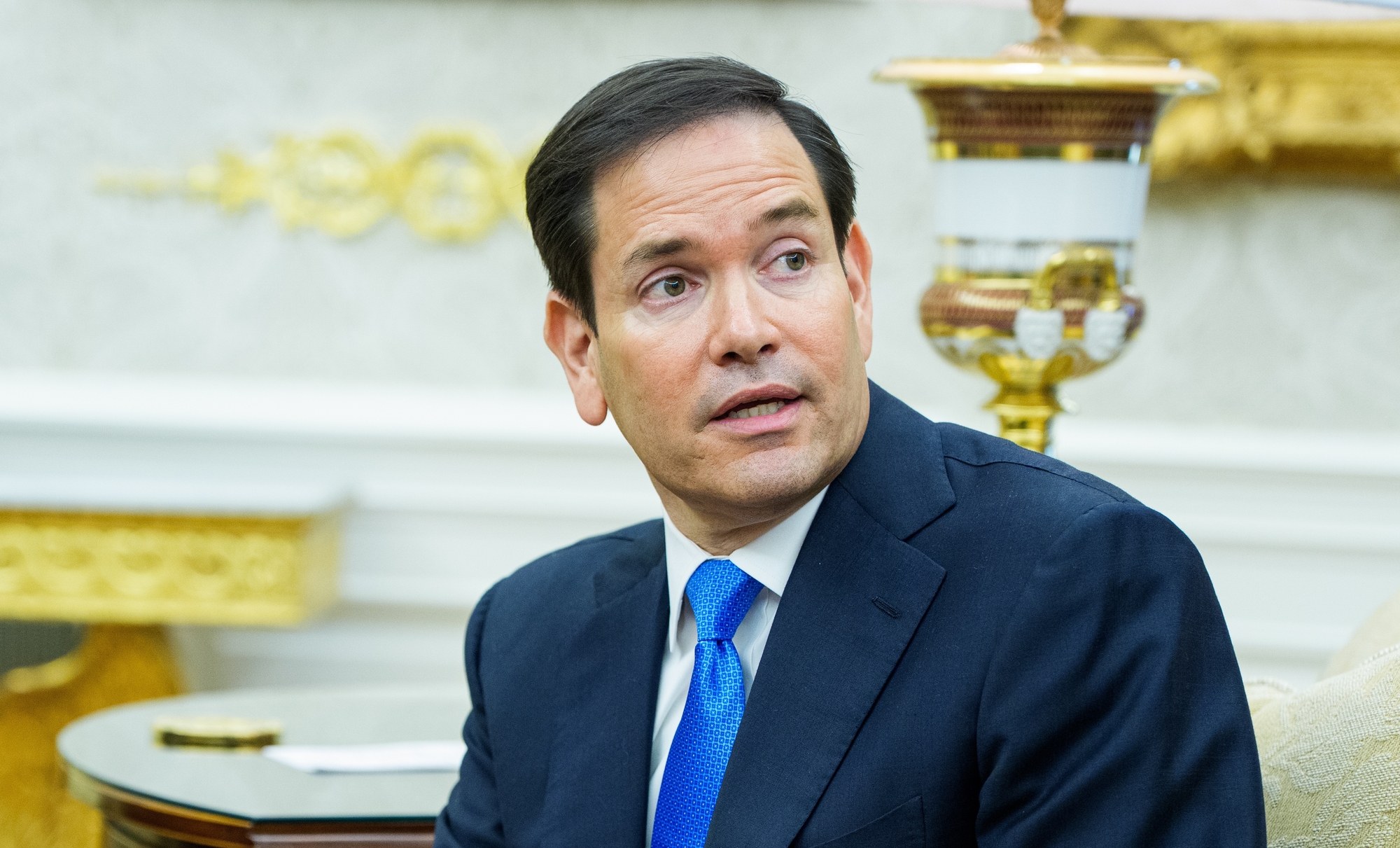
"There is a quarantine in effect, under which oil deliveries are prohibited, and there is a vessel that is under U.S. sanctions. If we receive a court ruling, we will seize it"
— Senator Marco Rubio, comment on CBS News
According to CBS News, Rubio also said the measures should continue "until the United States sees changes that align with its interests," and he expressed hope that the pressure will lead to changes in the management of Venezuela's oil industry and a weakening of the regime's ties to drug trafficking and external actors, including Iran and groups like Hezbollah.
Why the U.S. chose this tool
The decision to step up seizures and strikes against vessels is a combination of sanctions logic and pragmatic efforts to interrupt financial flows. The goal is to limit revenues that sustain the regime and potential links to criminal networks.
Experts note that in Venezuela's case, oil revenues have a direct impact on the regime's ability to fund both internal repression and external operations. Therefore, pressure on the fleet and oil transportation is not merely symbolic but a tactical tool of economic coercion.
Accompanying reports and their status
Parallel to Rubio’s remarks, reports appeared about incidents in Caracas and a chronology of events around Venezuela. In particular, claims circulated on social media and some media outlets about explosions in the capital, partial power outages and alleged operations to detain a leader. According to The New York Times, some reports mention casualties following operations, but such claims require additional verification and context.
Important: some of these statements come from individual political figures and sources, so they should be distinguished — what is officially confirmed and what remains unverified.
What this means for Ukraine and Europe
The precedent of more active use of seizures and targeted operations against vessels has three practical consequences:
- Energy instability: additional pressure on oil supplies from the region can cause price fluctuations and intensify competition on the energy market.
- Legal practice: court decisions to seize ships create legal precedents that affect the security of maritime transport and risk insurance.
- Geopolitical signal: the U.S. is demonstrating a willingness to act within its own "hemisphere of security" — a model that can be expected in other regions where criminal networks and geopolitical interests intersect.
Risks and uncertainties
Such moves carry the risk of escalation: vulnerability of the civilian fleet, potential reputational and legal disputes, and retaliation from allies of the Venezuelan regime. Analysts urge careful monitoring of the evidentiary basis of operations and the court rulings that support them.
Conclusion
Rubio's statement is part of a broader pressure strategy that relies on sanctions, legal mechanisms and the vulnerability of the regime's logistics. For Ukraine and European partners, it is a reminder: the security of sea lanes and the stability of energy supplies depend not only on major agreements but also on quiet, systemic decisions made abroad. The next step should be a move from declarations to fact-supported actions and international institutions.