Context: between rhetoric and reality
According to Bloomberg, after a U.S. operation in Venezuela during which, agencies reported, Nicolás Maduro was detained, U.S. President Donald Trump made a series of sharp statements about putting pressure on neighboring countries over drug flows. In response, Mexico's president Claudia Sheinbaum categorically rejected the idea of American troops entering Mexican territory — thereby emphasizing two important issues: sovereignty and practical cooperation.
What Sheinbaum said
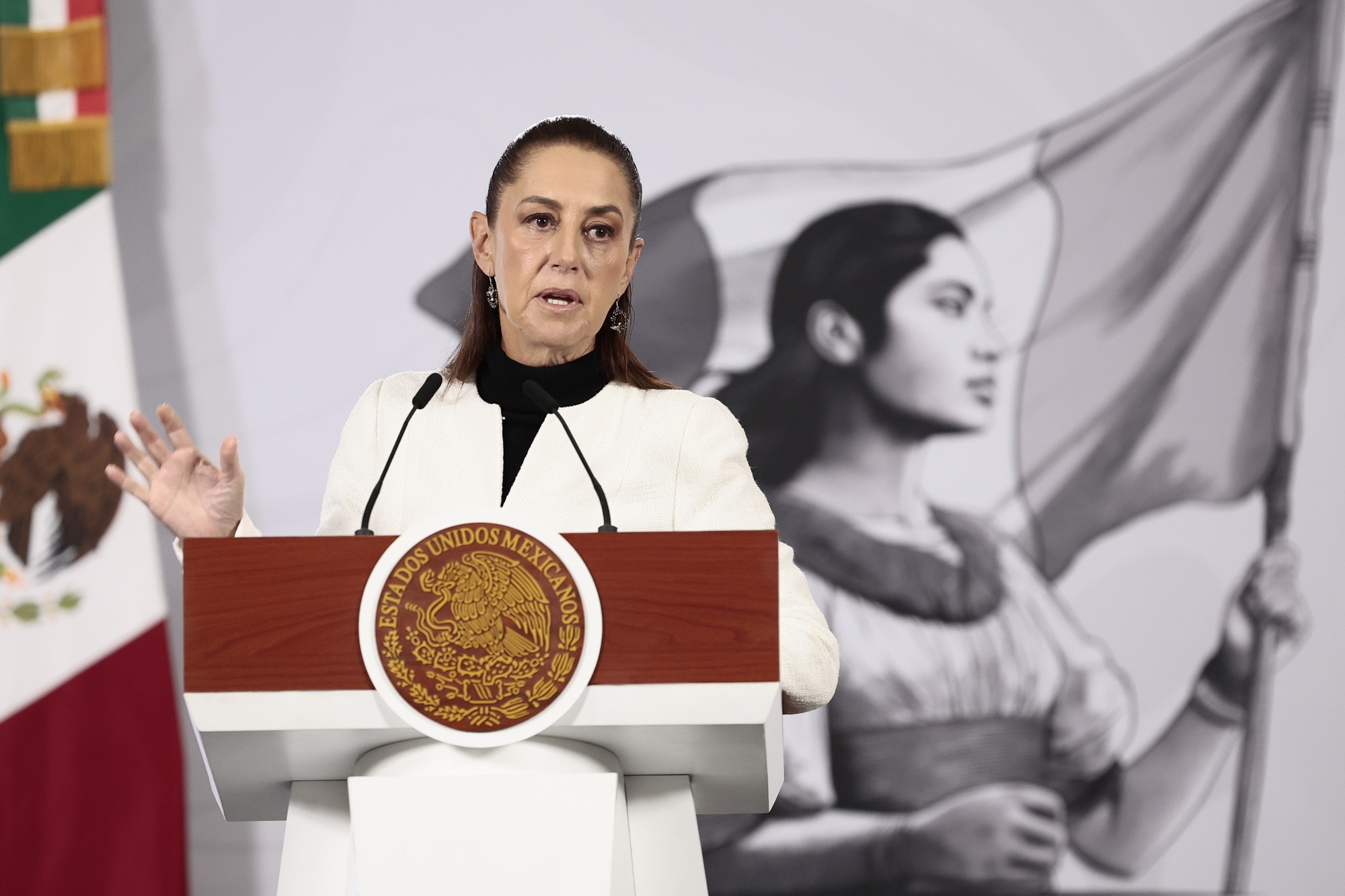
At her first briefing after the events in Caracas, Sheinbaum denied the seriousness of threats of an invasion and confirmed that she would not allow the presence of foreign armed forces in Mexico. At the same time she expressed readiness to cooperate with the U.S. in combating the illegal drug trade — but not at the cost of violating sovereignty.
"I do not believe in an invasion. I don't think they are taking it seriously"
— Claudia Sheinbaum, president of Mexico
Washington's reaction and risks of escalation
Trump, commenting on the situation, spoke forcefully about the need to stop the flow of drugs, repeatedly offering the U.S. military assistance to "restore order." In his remarks he explicitly pointed to applying pressure to Colombia and Mexico, which creates political tension in the region.
"Mexico has to get its act together, because drugs flow through Mexico. And we are going to have to do something about it"
— Donald Trump, U.S. president (quoted by agencies)
Against this backdrop, Colombia's President Petro issued a strong response to Trump's statements — a signal that the rhetoric can provoke not only a diplomatic but also a political resonance within the countries of the region themselves.
Why it matters and what comes next
First, it's a question of precedent: consent to foreign military operations on the territory of a sovereign state is an exceptional measure, and Sheinbaum's public refusal fixes the limits of acceptable pressure. Second, it's a test of practical cooperation: fighting drug trafficking requires intelligence, coordinated operations and a legal framework, not just threats.
For countries that value their independence — including Ukraine — this story is a reminder: diplomacy and international partners are effective when they respect sovereignty and seek legal mechanisms for cooperation. Whether rhetoric will turn into practical steps depends on subsequent decisions in Washington and the corresponding reactions of the region's capital governments.
Summary: Sheinbaum set a clear boundary — cooperation yes, military presence without consent no. Now the question is whether words will turn into coordinated actions that both protect sovereignty and effectively combat organized crime.





