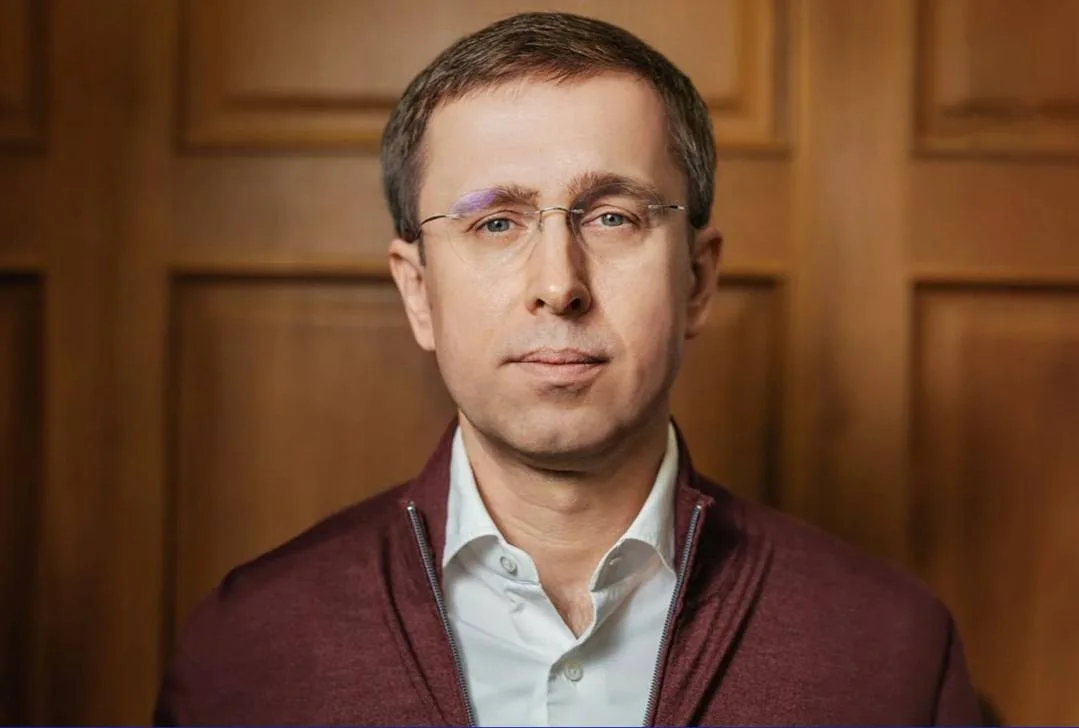
On July 16, the Verkhovna Rada first voted to dismiss the government of Yulia Svyrydenko — who served as head of the Cabinet for less than a year with 258 votes — and then appointed Sergiy Koretskyi, the former head of the National Joint-Stock Company "Naftogaz of Ukraine," as the new Prime Minister. The same day, he submitted a draft resolution to parliament on the composition of the new government.
Who is transferring — and where
The most notable reshuffle involves Igor Klymenko. Previously, he headed the Ministry of Internal Affairs; now he has been nominated for the position of Minister of Defense in place of Mykhailo Fedorov, who announced his resignation on July 15 and whose candidacy the president decided not to nominate again. Vygivskyi is being proposed for the vacant Interior Ministry position — something that parliamentarian Yaroslav Zheleznyak reported on social media before the official announcement, with a skeptical commentary.
Denys Shmyhal, who under Svyrydenko already held the position of First Vice Prime Minister and Minister of Energy, retains both roles. In effect, he becomes the most experienced figure in the government: Koretskyi is a technocrat with a corporate rather than government background.
"The key tasks for the new Prime Minister will be preparation for the heating season, economic stability, and effective use of international aid."
RBC Ukraine
Foreign Minister Andrii Sybiha remains in his position. The only new civilian minister is Oksana Ferchuk — currently Deputy Minister of Defense for Digitalization, who is moving to head the Ministry of Digital Transformation in place of Fedorov. The position of Minister for Communities and Territories remains vacant in the proposal.
What this means structurally
- The defense sector receives not a civilian technologist, but a security-minded manager with experience from the Interior Ministry — at a time when discussions are ongoing about mobilization and coordination between agencies.
- The energy sector is being consolidated: the Prime Minister is a former head of Naftogaz, the First Vice Prime Minister is the Energy Minister. This is either synergy or a potential conflict of interest on tariffs and government procurement issues.
- Most ministers have been retained from the previous Cabinet. The reshuffle is cosmetic rather than systemic.
According to procedure, the positions of Defense Minister and Foreign Minister are voted on separately — their candidates are nominated by the president, not the Prime Minister. After voting on the main composition, the Rada announced a recess, with the next session scheduled for August 18.
The question is not whether Klymenko will be confirmed as Defense Minister — he will be. The question is whether Koretskyi will have enough independence to set the Cabinet's agenda if his First Vice Prime Minister has more government experience than he does, and if key portfolios remain with the same people.







