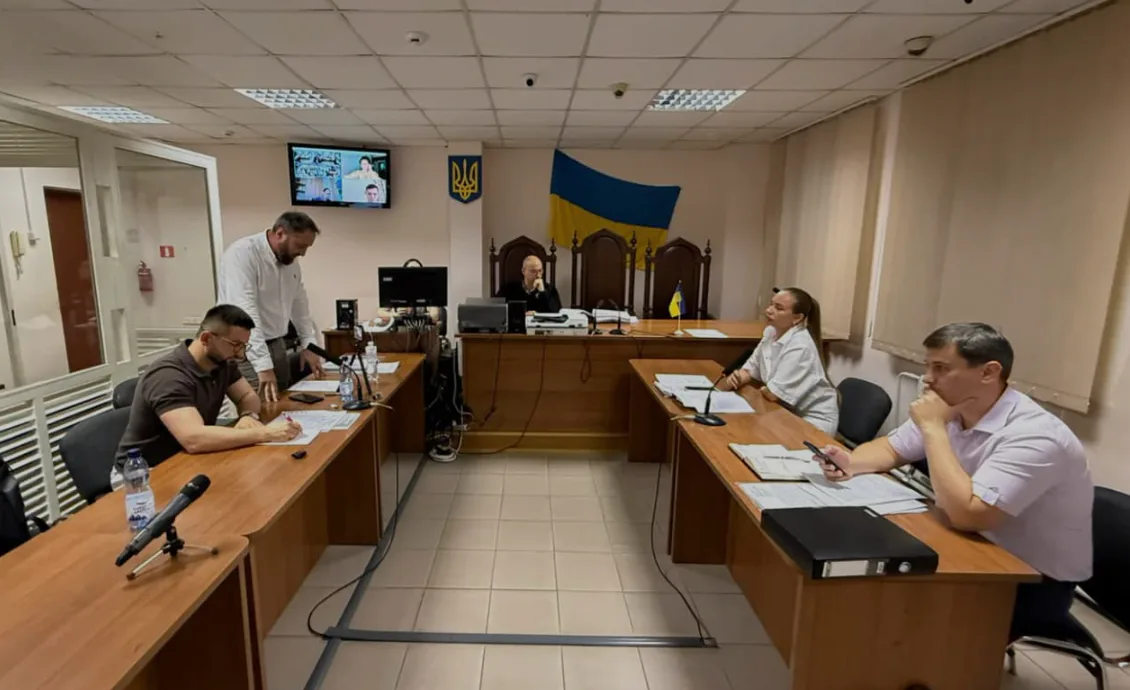
The court decided to hear the case regarding the death of Odesa businessman Adnan Kivan in closed session. The official justification is the protection of medical confidentiality, which is directly provided for in the Criminal Procedure Code. The logic is clear: a patient's medical data should not become public knowledge during court proceedings.
The problem lies elsewhere. While the court closes its doors for the sake of confidentiality, one of the accused surgeons from the Odrex clinic independently discloses medical information about the deceased patient — in public statements, comments, and open addresses.
This is not a minor detail on the periphery of the process. This is a structural paradox: an institution designed to protect the rights of the deceased and his family closes itself off from the public — while a person accused in connection with his death freely operates with his diagnoses and medical history in public.
Medical confidentiality under Ukrainian law applies not only to living patients. The Law "On Information" and relevant medical legislation clearly establish: information about health status, diagnoses, and treatment is confidential regardless of whether the patient is alive or deceased. Disclosure without consent is a violation that may have independent legal consequences.
The Kivan family found itself in a situation where the court process protects the secret abstractly — behind closed doors — while the actual medical data of their relative circulate in the public sphere from the lips of the accused.
Closed court sessions are a lawful instrument in themselves. But they lose their meaning if the defense conducts its own information campaign using the same data that the court is trying to protect from disclosure.
Will the court or prosecutor respond to the public statements of the accused — and is there a mechanism in Ukrainian procedural practice that even allows this to be done?







