What happened
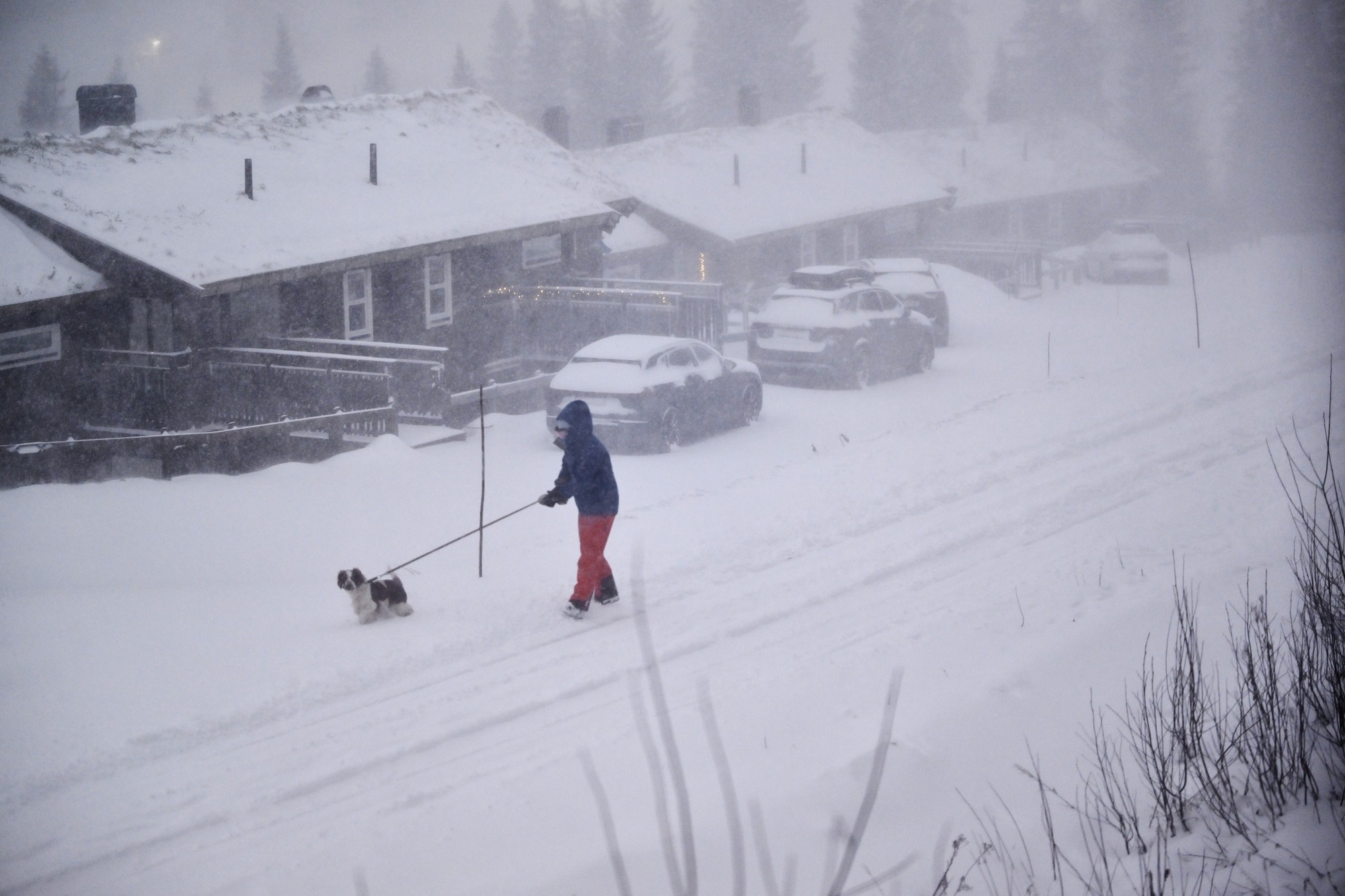
The powerful storm "Johannes" battered Norway, Sweden and Finland on 27–28 December; according to Sky News and The Local Sweden, at least two people died in Sweden. At the same time, a heavy snowfall in the U.S. Northeast caused widespread flight delays and cancellations.
Brief facts: in Sweden — two fatalities, localized tree falls and large-scale power outages (at the time of reporting more than 40,000 homes without electricity). In Finland, Yle reports over 120,000 homes without power; in the north of the country the wind even blew planes off runways. In the U.S., the National Weather Service recorded 11 cm of snow in Central Park — the largest amount since January 2022; FlightAware registered thousands of delayed and canceled flights (more than 8,000 nationwide, 900+ to/from New York at the peak).
People and infrastructure
One of the people killed in Sweden — a man in his around 50s — was injured by a falling tree near the Kungsberget ski resort; another death is linked to an industrial incident in field conditions in the north of the country. Across Scandinavia the storm caused major power and transport disruptions, complicating evacuations and emergency response in some regions.
"Johannes took us by storm. 42 meters per second, to be exact."
— Sandra Dalberg, public post on X (Twitter), 27 December 2025
"11 cm of snow fell in Central Park — the most since January 2022."
— National Weather Service (data), 27–28 December 2025
Why it matters
This is not just another weather sensation. Simultaneous strikes to transport and energy infrastructure — in different parts of the world — highlight three practical risks:
- Transport and logistics risk: thousands of canceled flights mean losses for airlines, delays in freight and problems for people traveling during the holiday period.
- Energy vulnerability: mass power outages test the readiness of grids and local emergency restoration services.
- Risk to people: falling trees and black ice are classic causes of injuries and fatalities during storms.
Experts note that extreme weather events are becoming more unpredictable; however, specific consequences always depend on infrastructure readiness and the quality of emergency response. In this context it is important to look not only at the figures for fallen trees or snowfall, but at how quickly power is restored, how aviation services operate and whether help is available to those affected.
What it means for Ukraine
Even if the event occurs far away, the lessons are universal: during war and in peacetime the resilience of the energy system, operational logistics and the preparedness of rescue services are matters of national security. Planning alternative routes, backup power sources and clear protocols for interagency cooperation are what save lives in critical conditions.
Conclusion
The "Johannes" storm and the winter systems in the U.S. are a reminder: extreme weather can paralyze transport and energy within hours. For citizens — a simple tip: review travel plans, account for possible delays and keep a minimal stock of necessary supplies. For authorities and businesses — a signal: investments in infrastructure resilience pay off faster than they seem. Now it is important that warnings and declarations are turned into concrete steps for preparedness and recovery.





