Briefly — what happened and why it matters
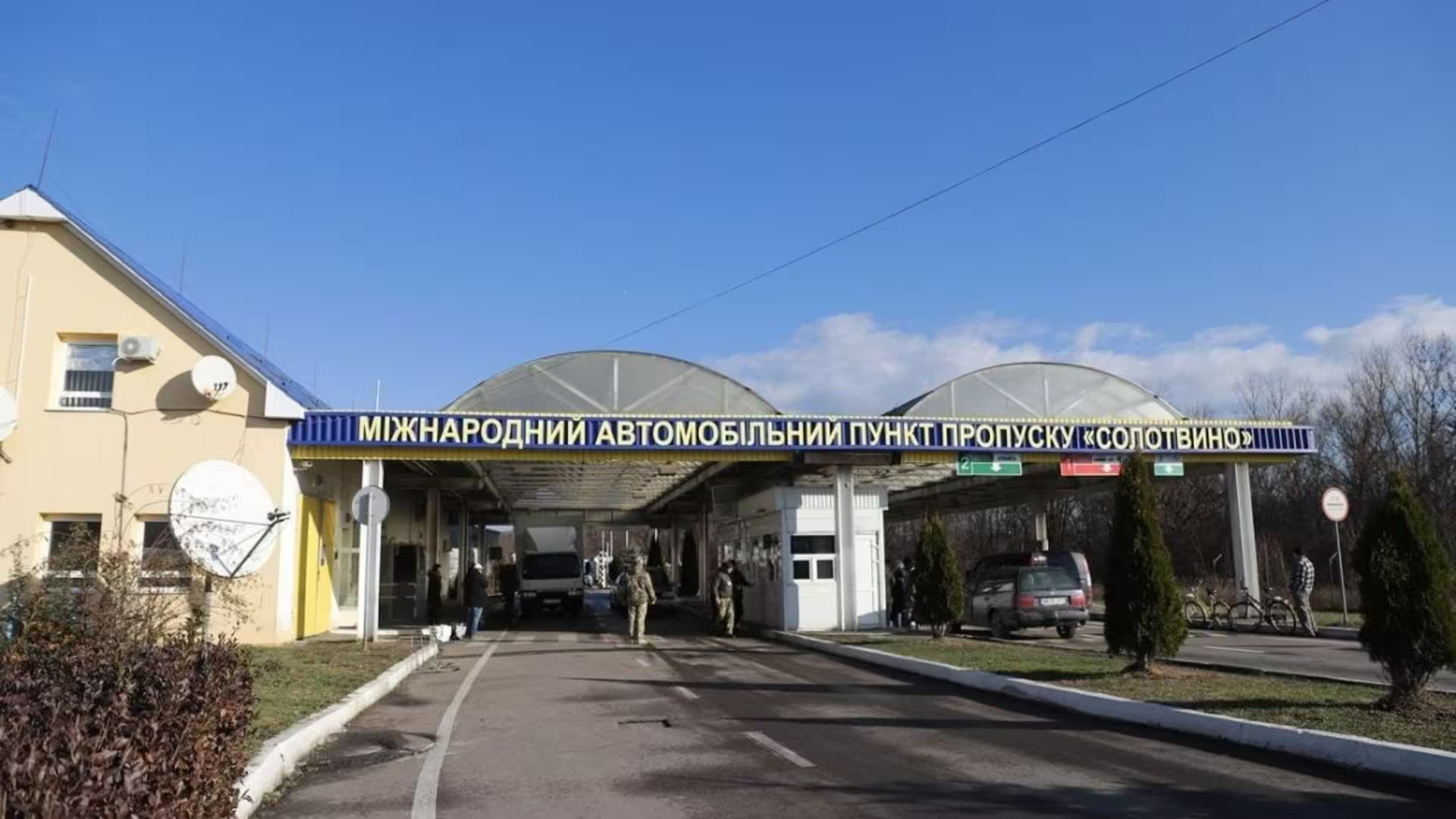
Traffic through the checkpoint Solotvyno – Sighetu Marmației on the border with Romania will be temporarily restricted due to the reconstruction of the bridge over the Tisza River. According to the State Border Guard Service, work begins on February 16; processing of all vehicles is planned to be suspended on weekdays from 09:00 to 16:00. Pedestrian traffic will remain unrestricted.
Details of the restrictions
According to preliminary information, the temporary measures will last until April 3. This means drivers of passenger cars, buses and trucks should allow extra time or seek alternative routes during working hours. Pedestrian access will remain open.
"Traffic through the Solotvyno – Sighetu Marmației checkpoint will be restricted due to bridge reconstruction; work begins on February 16, and vehicle processing on weekdays from 09:00 to 16:00 is temporarily suspended"
— State Border Guard Service of Ukraine
Who this may affect
Primarily those who regularly use this route: commuters, transit carriers and small businesses that rely on regular deliveries. It may also affect logistics in border areas — for example, goods deliveries and business trips.
Practical advice
What you can do right now:
- Plan trips outside working hours (before 09:00 or after 16:00) or on weekends.
- If possible, choose alternative checkpoints — check their capacity in advance.
- Transport companies should coordinate schedules with customers and factor in the risk of delays.
- Follow official statements from the State Border Guard Service — information may be updated.
Context and short outlook
Repairing border infrastructure is routine, but during wartime mobilization logistics take on added importance. Temporary restrictions are not only an inconvenience for travelers but also a test for the transport system and communication between border services. How severely people and businesses feel the impact will depend on the speed of coordination and the readiness to use alternatives.
Final tip: check departure times in advance and allow extra time for crossing the border. Whether the consequences can be minimized will become clear in the first week of work, when traffic flows and schedules are likely to be most strained.





