What happened
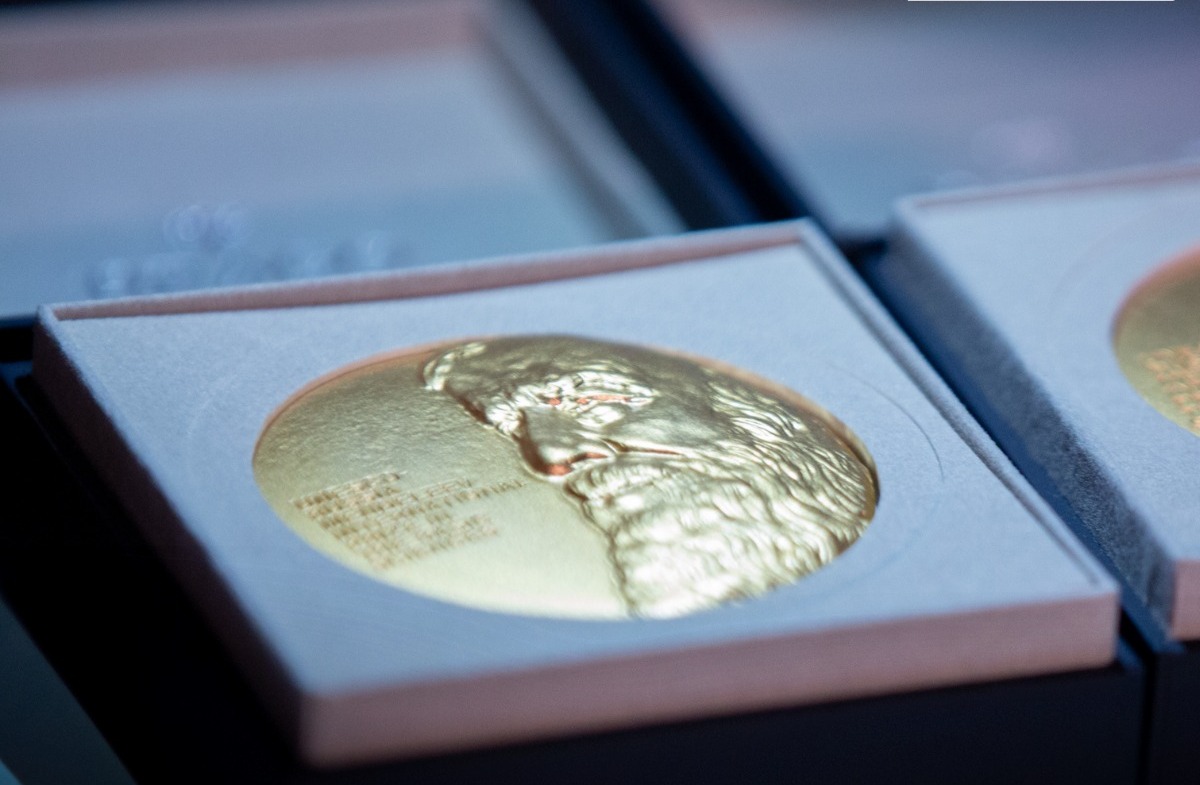
The Ministry of Foreign Affairs of Ukraine has called on UNESCO member states, the scientific community and the organization's secretariat to boycott the D. I. Mendeleev Prize in Fundamental Sciences, which is funded by the Russian government. The ministry demands that the competition be cancelled and has asked the current jury to resign; it also urged the new Director‑General of UNESCO not to appoint a new jury.
Official rationale
The MFA's statement emphasizes that UNESCO announced the competition for this prize on February 13, and that the involvement of the aggressor state in funding the award creates a risk of instrumentalizing science for political PR. Ukrainian diplomats stress: science should serve peace and humanism, not the justification of atrocities.
"The MFA calls on the international scientific community, UNESCO member states and all stakeholders to boycott the mentioned prize, which is funded by the aggressor state... We believe it should be cancelled, and the competition jury should resign."
— Ministry of Foreign Affairs of Ukraine
Context and facts
The MFA's argument is based not only on symbolism. Since the start of the full‑scale invasion, thousands of educational and scientific institutions in Ukraine have suffered: according to official counts, at least 4,456 educational institutions and 1,443 research institutes have been damaged or destroyed. The ministry emphasizes that the Kremlin systematically violates UN norms and UNESCO procedures, and that funding the award could serve as an element of "whitewashing" the aggressor's image.
This appeal fits into a broader context: on January 30 in Belgium a screening of the film "Carnets de Russie" was cancelled as part of a reaction to propaganda initiatives associated with the Russian Federation.
What this means for UNESCO and the international community
The demand to cancel the competition is a test for international institutions. If UNESCO and member states ignore the signal, the risk increases of further delegitimizing the organization's procedures in the eyes of part of the scientific world and countries suffering from aggression. Conversely, acceding to Ukraine's demand would strengthen the organization's position as a neutral platform for science and culture.
"True science must serve peace, development and humanism, and not be used as an instrument of propaganda by an aggressor state."
— Ministry of Foreign Affairs of Ukraine
Brief conclusion
This is not only a moral appeal: it is a strategic move aimed at protecting the reputation of international institutions and preserving the autonomy of the scientific community. The key question now is whether Ukraine's partners will strengthen their statements and whether these declarations will be turned into practical decisions at UNESCO.