What happened
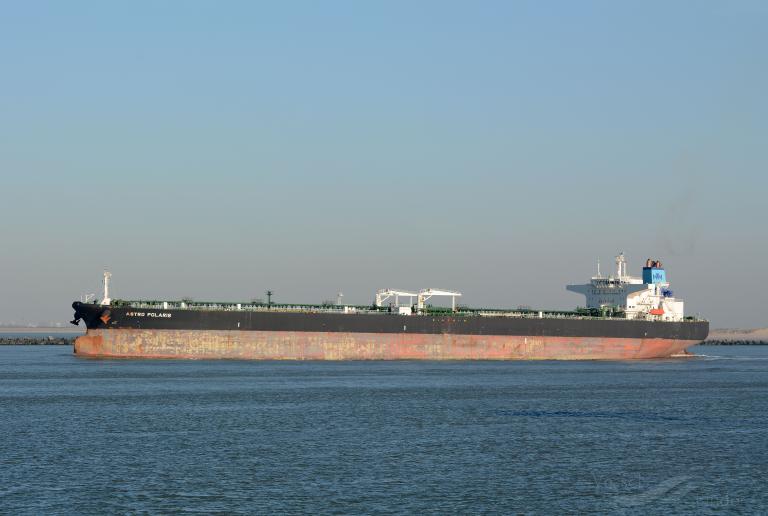
U.S. forces carried out a maritime operation to intercept and board the vessel Aquila II in the area of responsibility of Indo-Pacific Command, the Pentagon said and released video of the operation. According to the portal War&Sanctions (run by the Main Intelligence Directorate), the vessel was carrying Russian and Venezuelan oil and is subject to sanctions by the U.S., EU, the United Kingdom, Switzerland, Canada and Ukraine. The tanker visited ports in China, Croatia, Oman and India.
Why it matters
The interception of Aquila II is not an isolated incident. It combines two key functions: cutting off illegal financial flows that can feed the aggressor’s military capabilities, and demonstrating partners’ readiness to use force beyond territorial borders to ensure sanctions are enforced.
Context and trend
The operation fits into a series of similar actions in recent weeks: on January 7, 2026 the U.S. seized the tanker Bella 1 under the Russian flag (Russian naval vessels were nearby, including a submarine), and on January 9 — detained Olina in the Caribbean basin. This pattern indicates a systematic maritime sanctions-enforcement policy and a willingness to operate far from shore.
"When the @DeptofWar says quarantine, we mean it. Nothing will stop DoW from defending our Homeland — even in oceans halfway around the world. Overnight, U.S. military forces conducted a right-of-visit, maritime interdiction and boarding on the Aquila II without incident in the…"
— Department of War (X: @DeptofWar) / public post shared by the Pentagon
"Aquila II was carrying Russian and Venezuelan oil"
— War&Sanctions, portal of the Main Intelligence Directorate
Implications for Ukraine
For Ukraine, such actions have direct significance: strict enforcement of sanctions reduces revenues available to finance military operations. In addition, increased control at sea complicates the work of the "shadow fleet" and makes transit schemes used by intermediaries more risky.
Risks and questions
However, there is another side: intensive interceptions increase the risk of incidents near other states’ military assets and create diplomatic balancing challenges. The key question is whether the demonstrative show of effort will become a sustained practice of partner coordination that systematically cuts off major smuggling routes, rather than remaining isolated successes.
Now the ball is in the partners’ court: can they withstand the pressure and turn tactical operations into a strategy that will actually reduce the aggressor’s financial flows?





