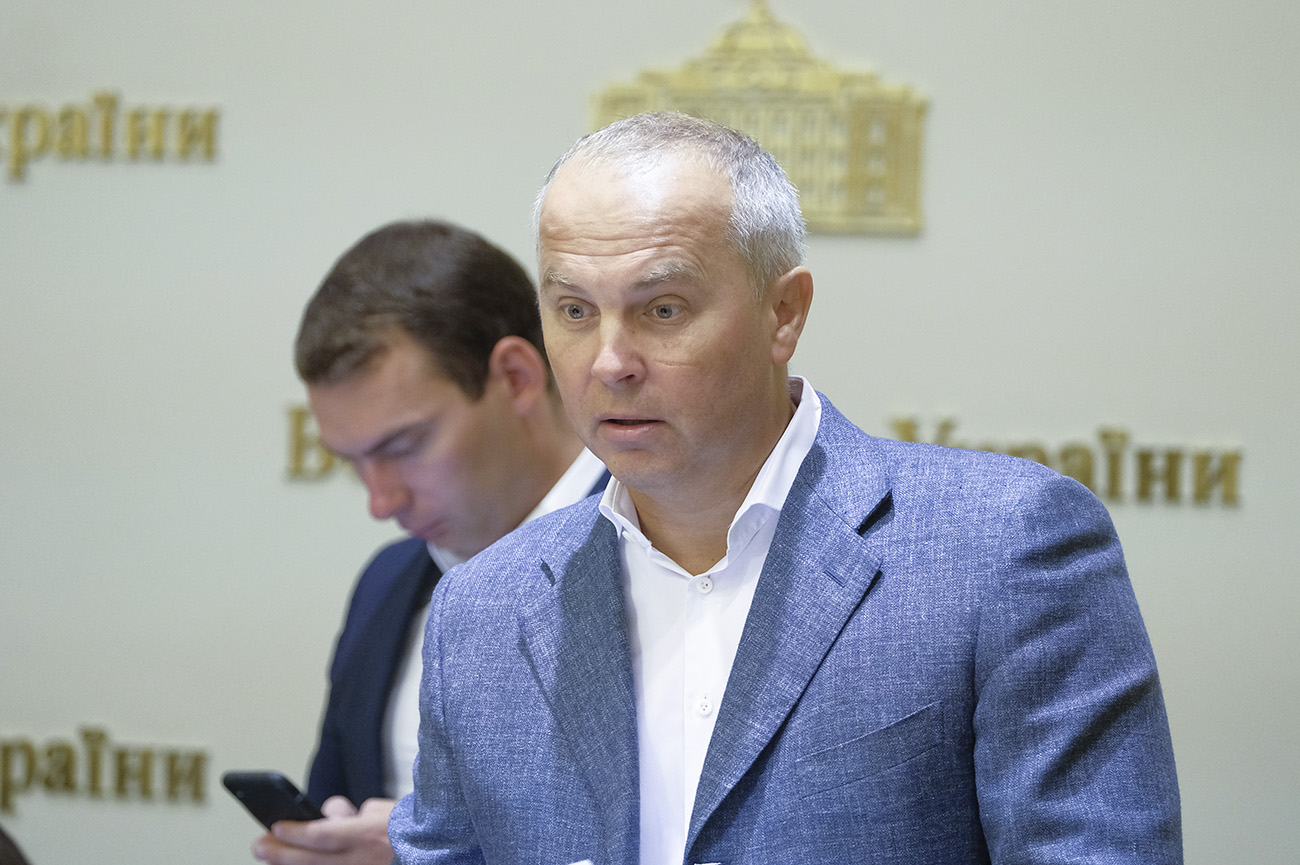
Court Recognized an Alternative Preventive Measure as Possible — But the Decision Has Not Yet Been Implemented
The Kyiv Court of Appeal eased the preventive measure for Member of Parliament Nestor Shufrych, who is accused of state treason, and set bail at 33,280,000 UAH. The press service of the Office of the Prosecutor General reported this.
"The Kyiv Court of Appeal determined an alternative preventive measure in the form of bail in the amount of 33,280,000 UAH."
— Press service of the Office of the Prosecutor General
As of January 8, the bail has not been posted — so legally the possibility of release exists, but in practice Shufrych remains in custody in a pretrial detention center (SIZO). This decision is not only about one person: it raises questions about control mechanisms during wartime and about the funding sources of defendants in cases related to collaboration.
"It is not yet known exactly when the bail will be posted or whether it will be posted at all."
— Viktor Karpenko, lawyer for Nestor Shufrych
The lawyer confirms the uncertainty about practical implementation of the ruling. The MP’s son, Oleksandr, who is currently serving in the Armed Forces of Ukraine, told journalists that he cannot handle the matter personally due to his service at the front. In his view, a possible source for posting the bail could be party associates — among whom, according to the son, there are affluent individuals.
"I am currently serving in the Armed Forces and do not have the opportunity to attend my father's court hearings."
— Oleksandr, son of Nestor Shufrych
The context of the case is more important than the personalities. Shufrych is a former member of the "Opposition Platform — For Life" party, which was officially banned in Ukraine in 2022. He is charged in a number of episodes: in September 2023 he was placed in custody without the right to bail; during searches documents allegedly outlining a scheme for the "autonomy" of Donetsk and Luhansk and symbols related to Russia were found; in February 2024 a new suspicion was announced — concerning financing the Russian National Guard (Rosgvardiya) in Crimea.
Key facts in brief:
- September 2023 — taken into custody without the right to bail; searches uncovered documents and items that became evidence.
- February 2024 — additional suspicion of financing the Rosgvardiya in annexed Crimea.
- As of January 8, 2026 — the bail of 33,280,000 UAH has not been posted; Shufrych remains in pretrial detention.
What next? If the bail is posted — that will legally release the defendant from custody, but it will not drop the charges or reduce the investigators’ interest. If not — detention will continue. In any case, the case is an important marker for society: whether mechanisms of accountability are functioning and whether sources of large sums that can free suspects in serious crimes during wartime are tracked transparently.
Questions for partners and the public: will the system practically prevent political influence on the judiciary, and will bail become an instrument for evading responsibility for those who may have collaborated with the aggressor country?





