What happened
According to the General Staff of the Armed Forces of Ukraine, a strike on a drone warehouse in the Rostov region put several containers with equipment out of action. Preliminary data indicate that among the destroyed equipment were around 6,000 FPV drones and components.
"Based on preliminary strikes, including the UAV warehouse in the area of Rostov‑on‑Don, the destruction of three containers with FPV drones and parts has been confirmed. According to preliminary data, about 6,000 FPV drones were destroyed"
— General Staff of the Armed Forces of Ukraine
The General Staff did not specify the exact time of the strike. The information is preliminary and subject to further confirmation.
Why it matters
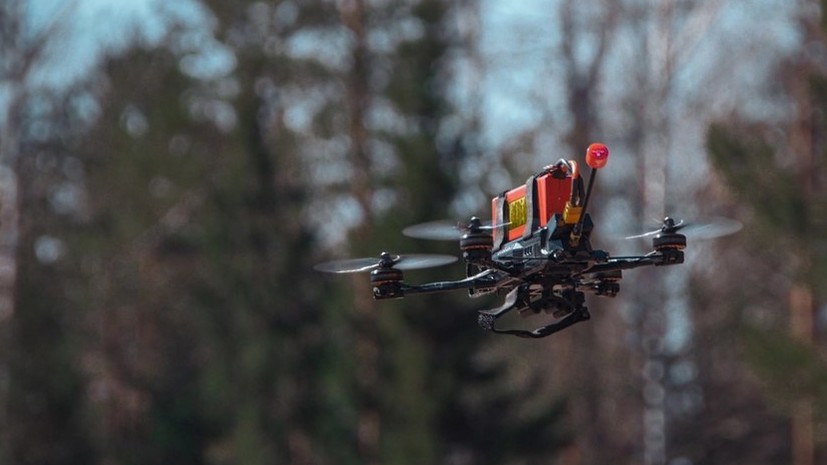
FPV drones (First Person View systems) allow complex maneuvering strikes and precise short‑range reconnaissance: the operator sees footage in real time and can correct the drone's trajectory. The mass availability of such kits in stock gives the enemy a tool for asymmetric attacks on command posts, warehouse sites and infrastructure near the front.
The destruction of a large batch of equipment not only temporarily limits these capabilities but also creates a logistical problem for replenishing stocks: it requires not only production but also supply lines, storage and operator training.
Context: previous strikes on Rostov
This is not the first time Ukrainian forces have struck targets in the Rostov region. In particular, on January 13 in Taganrog the final assembly shop of the Atlant Aero drones was damaged — two production workshops and an administrative building were affected. The Ukrainian Navy also released satellite images of the plant after the strikes.
What experts say and what might change
Defense analysts note that such strikes work on several levels: operational — they reduce the number of available strike assets in the short term; tactical — they force the enemy to spend resources on security and redistribution of stocks; strategic — they affect the planning of offensive operations and the psychological factor along the line of contact.
At the same time, production recovery and the rebuilding of kits can occur in the medium term if supply chains remain open. Therefore, the effect of such strikes is amplified by systematic intelligence work and targeted actions against the enemy's logistics.
Summary
The strike on the warehouse near Rostov is an example of how targeted hits on material and technical reserves can change the operational situation at the front. Whether Russia will be able to restore these stocks faster than they are targeted again for subsequent strikes is a key question for further actions and defense planning.





