Briefly
From January 8 a cyclone will enter Ukraine via Chernivtsi and Ivano‑Frankivsk regions. Forecasts say nighttime temperatures may reach down to −20°C, with daytime temperatures around −10°C. Due to wet snow on power lines and worsening road conditions, additional power outages and traffic problems are possible, warned Prime Minister Yulia Svyrydenko.
"The cyclone will enter Ukraine through the Chernivtsi and Ivano‑Frankivsk regions at around four in the morning. Forecasts indicate nighttime temperature drops reaching down to −20°C... Additional unscheduled power outages are possible due to wet snow on power lines and impaired road traffic."
— Yulia Svyrydenko, Prime Minister of Ukraine
Why it matters
At first glance this is another round of bad weather. But in conditions where the energy system is under daily attack, the extra stress from frosts and network damage raises the risk of large‑scale or local blackouts. This affects not only households — hospitals, public transport and other critical infrastructure are next in line.
Local incidents are already appearing: according to LIGA.net, Lviv experienced temporary power cuts affecting some hospitals and public transport; the Lviv Regional Military Administration (OVA) said the shutdowns were lawful, while Mayor Andriy Sadovyi appealed to law enforcement.
What authorities are doing
The government has issued a set of urgent orders to reduce risks and speed up response:
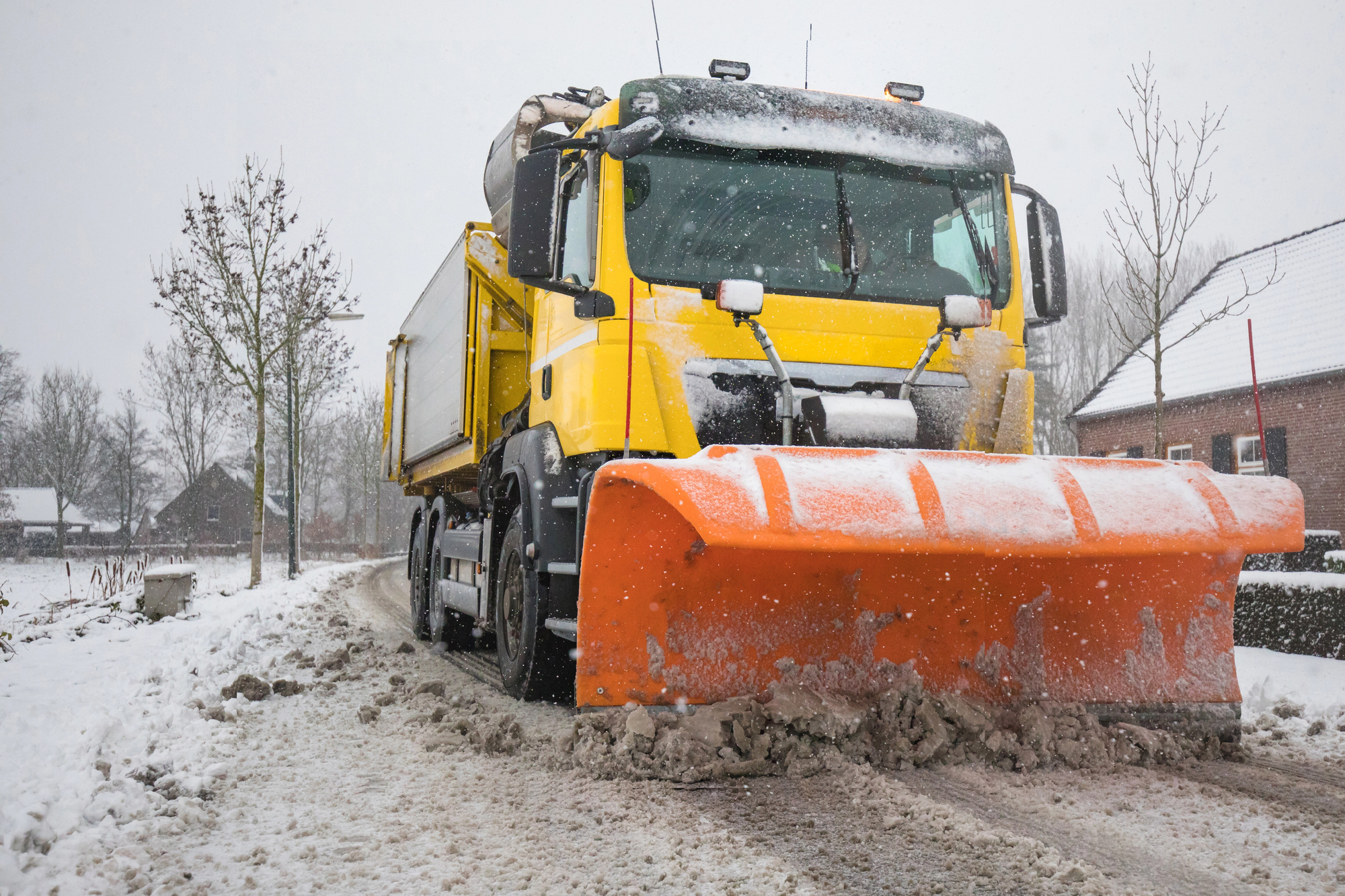
- Ministry of Internal Affairs, the State Emergency Service and the National Police — readiness of snow‑clearing and heavy engineering equipment, high‑mobility vehicles and mobile heating points to assist road users;
- The Restoration Agency, regional and Kyiv military administrations together with local authorities — ensure rapid response, stock fuel reserves and treat roads with anti‑icing mixtures;
- Relevant ministries and services — prepare to deploy resilience hubs in case of interruptions to electricity, heating, gas or water supplies and communication problems;
- The Ministry of Energy together with the Ministry for Communities and Territories Development and state energy companies — ensure operation of the energy system, readiness of repair crews and, if necessary, scale up domestic production and import of electricity from the EU.
"Deteriorating weather conditions put additional strain on critical infrastructure. We are working to minimize the impact of the bad weather."
— Yulia Svyrydenko, Prime Minister of Ukraine
Advice for citizens
Systemic preparation by the state is important, but basic personal readiness reduces risks for every family. Recommendations:
- limit travel during the peak of the storm and do not drive unless absolutely necessary;
- check supplies of fuel, warm clothing, medicines and chargers (powerbanks);
- prepare sources of light and heat and a supply of drinking water for 1–2 days in case of temporary outages;
- watch over neighbors, especially the elderly and less mobile, and report dangerous situations to services 101/102;
- follow official announcements from local authorities and relevant services.
Bottom line
A cyclone with severe frosts is not just a weather story but a test of infrastructure resilience during wartime. The key question is how quickly repair crews will respond and how effectively reserves and the ability to import energy from partners will be used. Whether the announced orders turn into real action will determine the comfort and safety of thousands of citizens.
Share this information with relatives in at‑risk areas so they are prepared for temporary inconvenience.





