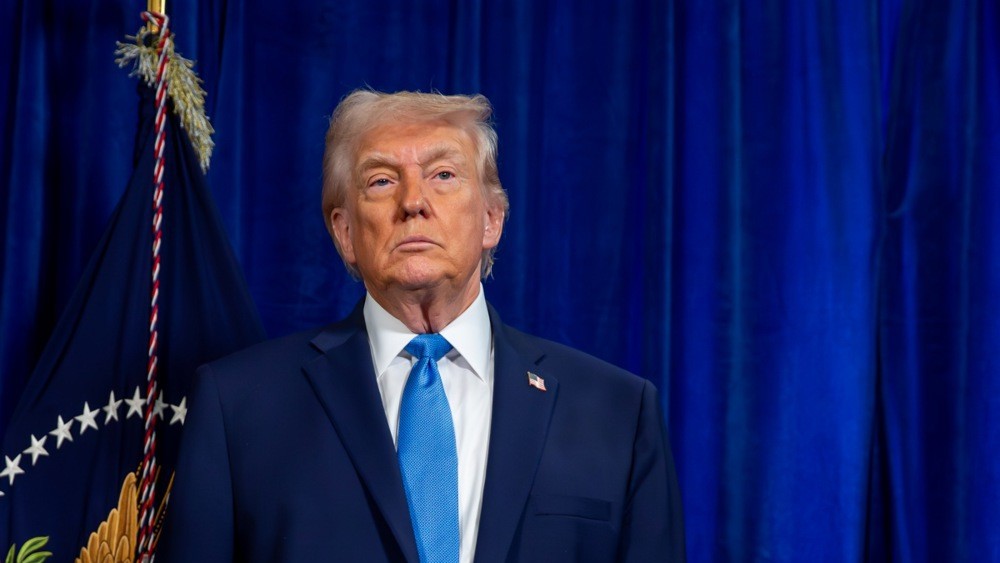
Introduction: in high diplomacy, quiet agreements matter more than loud statements
Donald Trump’s comment to The Times of Israel that the question of ending strikes on Iran will be “mutual” with Benjamin Netanyahu is not just a verbal statement. It is a signal about who will shape the final trajectory of the operations and how responsibility will be divided between Washington and Tel Aviv. For Ukraine, such decisions have practical consequences: from energy prices to the strategic balance of power in the region.
What exactly the US president said
"I think it's mutual… I will make the decision at the appropriate time, but everything will be taken into account."
— Donald Trump, President of the United States (The Times of Israel)
Trump emphasized that Netanyahu has a “voice,” but the final word will remain with the American president. When asked whether Israel could continue strikes on its own after a US withdrawal, Trump said he did not consider that necessary. He also harshly characterized the Iranian threat, claiming that without coordination they could inflict significant damage on Israel.
Consequences for the region and for Ukraine
Energy. Escalation in the Middle East has already affected global oil prices and logistics: tanker traffic through the Strait of Hormuz has become more complicated, leading to price increases. For Ukraine, this meant higher fuel prices at the pumps and additional pressure on inflation — phenomena already noted by Ukrainian media (LIGA.net).
Security and balance of power. A joint US–Israel decision on “when and how” to end the strikes means the final phase of operations will be coordinated. This reduces the likelihood of uncontrolled escalation, but retains the risk of a prolonged confrontation if Iran and its partners refuse to make concessions.
Global supply chains. Even limited actions in the region increase risks for the transport of energy and cargo, which can hit Ukrainian imports and budgetary spending on energy.
Why Trump uses the “mutuality” formula
The “mutual decision” tool serves several functions at once: it is a way to demonstrate allied solidarity to an Israeli audience; it is a mechanism for the US to retain control over the end of the operation; and it is a political message to the domestic audience that allows shifting part of the responsibility onto the partner. Analysts note that such an approach reduces political risks for Washington, but does not guarantee a quick end to the conflict (source: The Times of Israel, analysis by LIGA.net).
What this means for Ukraine — practical steps
Brief and practical: Ukraine should prepare for fluctuations in energy prices and rising logistics costs. Recommendations for authorities and businesses — strengthen forward fuel purchases, build up reserves, seek alternative supply routes. Diplomatically — cooperate more actively with partners to minimize economic shocks and strengthen information coordination on the risks.
Conclusion
The “mutual” formula of Trump and Netanyahu is not only a matter of prestige for the two leaders. It is an element of managing the end of the operation that affects the risks of escalation, energy stability, and global supply chains. For Ukraine, the most important thing is to turn diplomatic signals into practical measures to protect the economy and infrastructure. Whether partners will be able to transform declarations into a clear plan to exit the conflict is a question that the coming weeks will answer.





