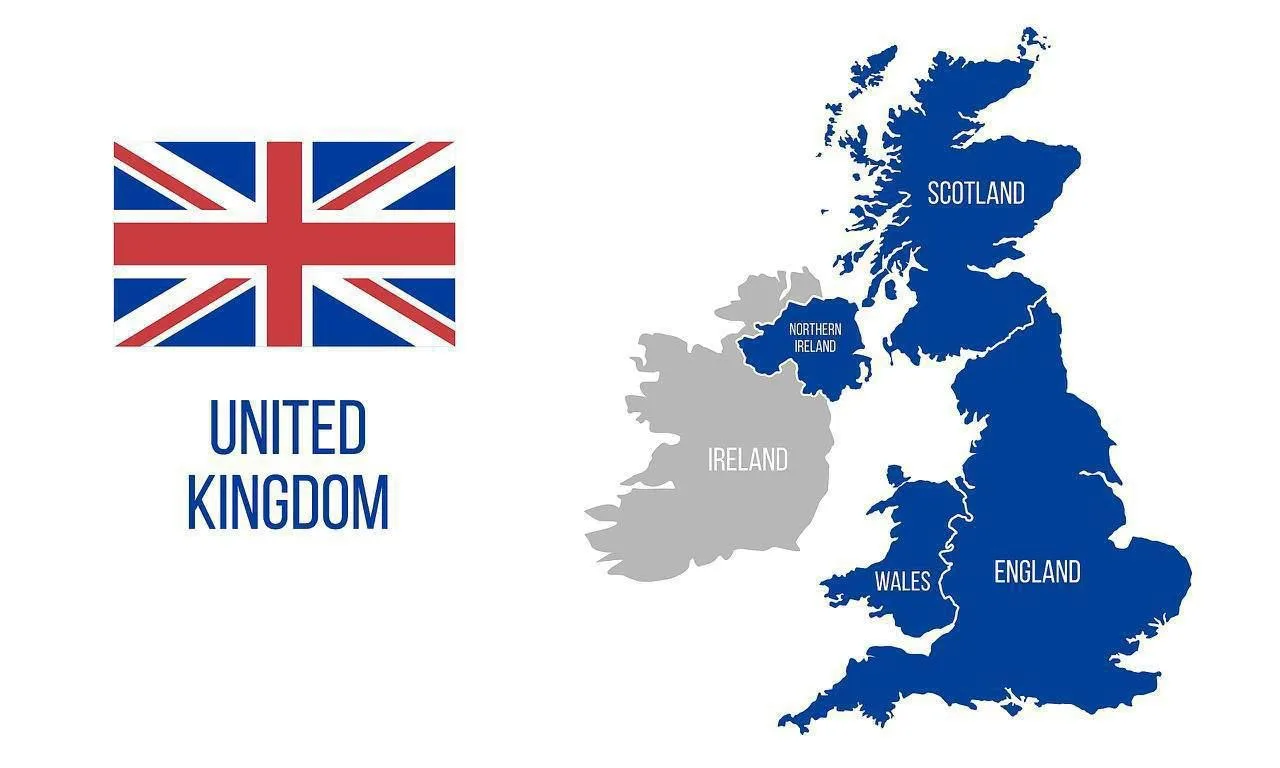
On September 14, leaders of Scotland, Wales, and Northern Ireland will meet to discuss the possibility of leaving the United Kingdom, according to The Telegraph. The surprising moment here is not the separatist sentiments themselves — they have existed for years — but rather that three regions have decided to act together rather than individually, as before.
Three Different Routes, One Goal
Each region has different plans: Scotland and Wales are considering separate EU membership, while Northern Ireland is leaning toward unification with Ireland. This means that even if the "divorce" from London succeeds, the three parts of the former Britain will go three different ways — there is no shared post-British project.
A practical point often overlooked: coordination of the three regions strengthens their negotiating position before Westminster precisely because it is more difficult for the government to refuse everyone at once than each separately. Previously, London could conduct dialogue with Scotland and Wales separately, suppressing demands in measured doses.
British Prime Minister Andy Burnham told Scotland's First Minister John Swinney that holding a new independence referendum is impossible.
The Legal Wall Remains
The formal obstacle has not disappeared: in 2022, Britain's Supreme Court ruled that the Scottish government cannot organize an independence referendum without the consent of the British Parliament. This means that even a united front of three leaders will face the same legal wall that stopped Scotland earlier when acting alone.
Historical context shows how distant the goal is: in the 2014 referendum, 55% of Scots voted to remain part of the United Kingdom, and the Scottish National Party has since spent years trying to overturn this figure, appealing to Brexit as an argument — that Scotland voted for the EU and was taken out of it against its will.
Interestingly, Burnham himself simultaneously supports the idea of a written constitution for Britain — a step that theoretically could enshrine the rights of regions to autonomy or even exit, replacing the current system of unwritten conventions and precedents. Whether the September 14 meeting will be the beginning of a real movement toward the dissolution of the union, or will remain just another round of symbolic pressure without legal consequences, depends on whether Westminster will agree to discuss even the smallest change to the status quo.