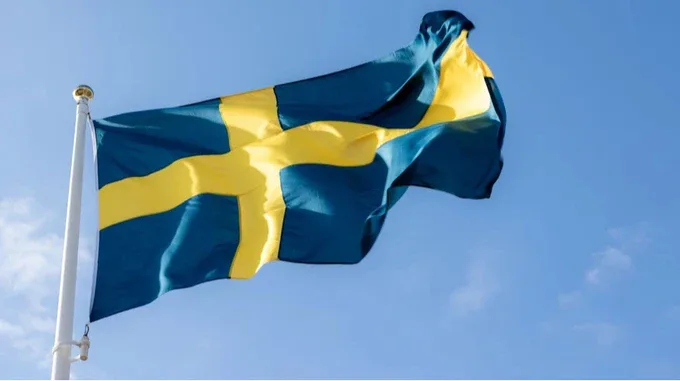
On September 13, Swedes are electing parliament, and Reuters records a record-close margin: Magdalena Andersson's opposition bloc has 50.6% versus 46.9% for Ulf Kristersson's right-wing camp. But what's more interesting than who wins is why, for the first time in the country's history, an ultra-right party could enter government not through migration rhetoric, but through utility prices.
Money, not passports
The "Sweden Democrats" have spent years building an image as an anti-immigration party. This cycle, they've shifted focus to inflation, rising electricity and fuel prices—issues that hurt every Swedish household regardless of political views. It's a practical move: economic anxiety unites voters faster than ideology.
We have become a harsher society, a quieter society, but also a poorer society, because our growth is significantly below our potential, and where households see their wages buy less and less
This is how Magdalena Andersson describes the consequences of four years of Kristersson's rule, hinting that strictness toward migrants has cost the country economic dynamism.
Union without a formal chair
Kristersson promises to include the "Sweden Democrats" in a coalition for the first time in history—a party that just ten years ago was considered marginal because of its leaders' neo-Nazi roots. Now it could receive ministerial portfolios or at least set the agenda from outside government through parliamentary support.
We can unite parties, voters and issues for joint action. That's why we're succeeding
Kristersson frames this as a pragmatic alliance rather than an ideological compromise—a rhetorical move that allows him to distance himself from his partner's most toxic positions while keeping its votes.
What this means for the rest of Europe
Sweden has long been the benchmark for the social-democratic model and open migration policy. If the ultra-right enters government through an economic rather than cultural agenda, it will set a precedent: parties of this type can become normalized not by winning the debate about values over liberalism, but by offering a simpler recipe for combating inflation.
The question for the coming weeks is simple: will Kristersson hold onto his promised coalition if the result turns out to be so close that every mandate the "Sweden Democrats" win becomes a bargaining chip rather than automatic support.







