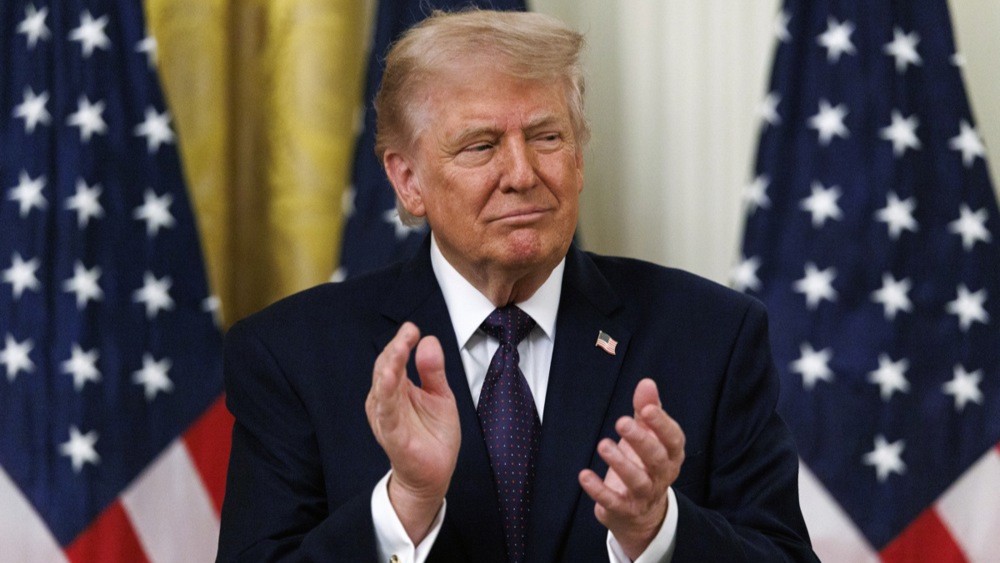
On May 22, U.S. President Donald Trump convened a meeting with the top leadership of his national security team to consider a scenario of returning to combat operations against Iran. According to Axios, citing two anonymous American officials, Trump is seriously considering new strikes — if breakthrough progress is not made in negotiations at the last moment.
The meeting was attended by Vice President JD Vance, Defense Secretary Pete Hegseth, CIA Director John Ratcliffe, and White House Chief of Staff Susie Wiles.
Negotiations "torment" both sides
An American official familiar with the course of diplomatic efforts described the negotiations with one word — agonizing. According to him, draft agreements "move back and forth daily" without noticeable progress. Mediators — Pakistan, Qatar, Saudi Arabia, Egypt, and Turkey — are trying to secure a "letter of intent": cessation of hostilities and 30 days for negotiations on the nuclear program.
"Trump has become increasingly frustrated in recent days and raised the question of a final large-scale military operation — after which he could declare victory and end the war."
— Axios, a source close to Trump
Parallel diplomatic sprint
While the meeting was taking place in the White House, Pakistani Field Marshal Asim Munir — the chief mediator between Washington and Tehran since the start of the war — arrived in Tehran. A Qatari delegation also arrived with him. Munir was to meet with General Ahmad Vahidi, commander of the IRGC, who is a key figure in Iran's decision-making system.
The stumbling block remains unchanged: according to Axios, despite Trump's public optimism, Iran has never agreed to permanently abandon uranium enrichment. Tehran's last recorded position is a temporary moratorium, not a complete withdrawal.
Context: from five rounds to a dead end
- The fourth round of talks in Rome was postponed in early May due to new U.S. sanctions and "contradictory behavior" by Washington — according to the Iranian side.
- The fifth round (May 23, Rome) concluded with "certain, but not decisive progress," according to Oman's assessment.
- On May 31, the IAEA recorded a record stockpile of uranium enriched to near-weapons grade in Iran.
The current meeting takes place in this context: not as a preventive measure, but as a response to signs of a breakdown in the diplomatic process.
If the Pakistani-Qatari mission does not produce a signed letter of intent by the end of the weekend — will Trump have a diplomatically justified reason to refrain from the strike he has already brought to the discussion of the national security council?





