Context
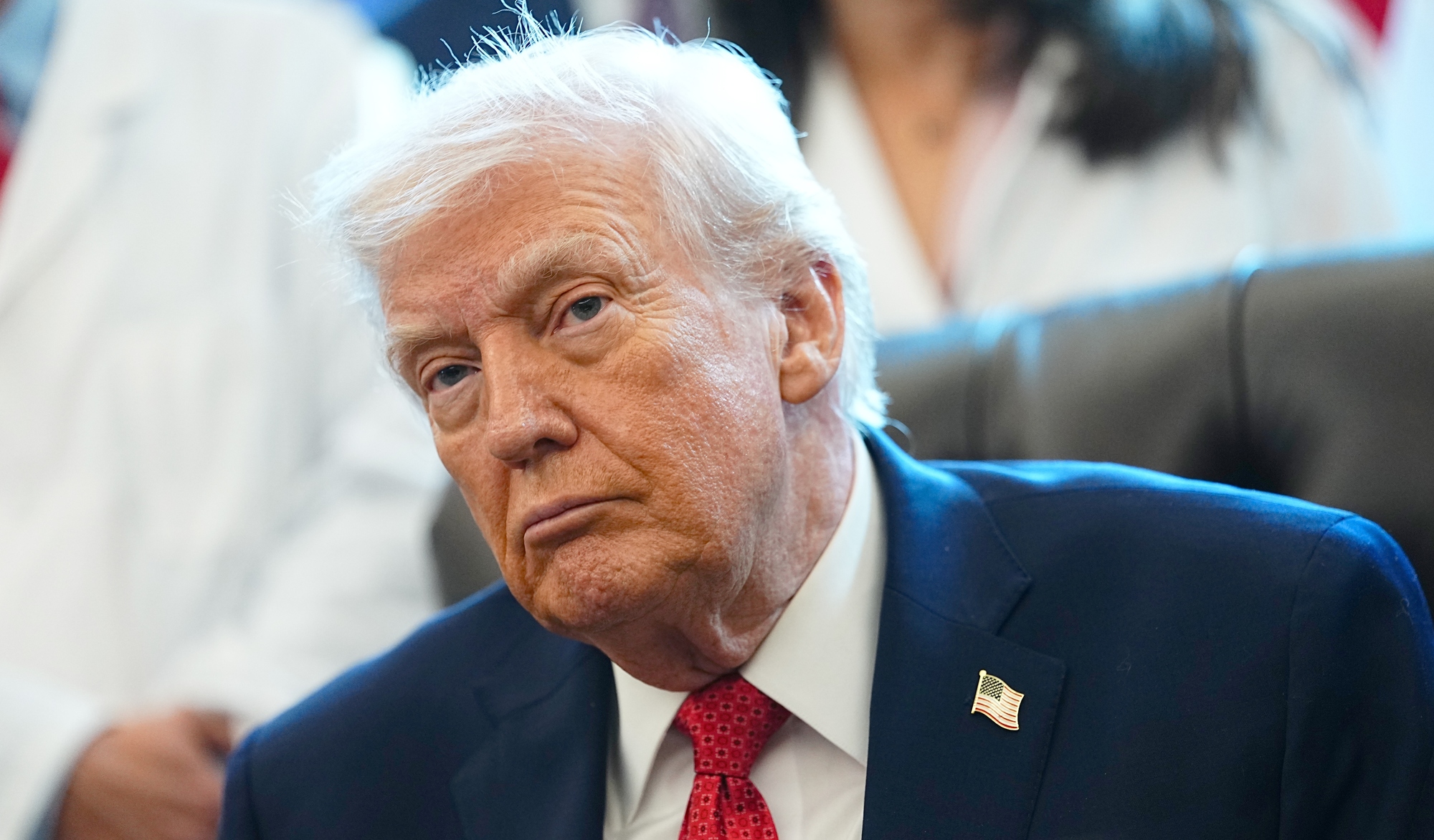
On the night of December 27 Russia launched a massive attack on Kyiv and the region — there is damage in various districts of the capital. On December 28 a meeting began in Florida between Presidents Volodymyr Zelensky and Donald Trump; on the agenda are security guarantees, discussion of possible territorial deals and the status of the Zaporizhzhia Nuclear Power Plant. Before the talks, Trump gave a brief candid response to the press that drew attention from international media.
What exactly Trump said
The U.S. president said that, in his view, "there were explosions there and there" — referring to events in both Russia and Ukraine — and added that he does not rule out the possibility that the strikes may have come from Ukrainian territory, while noting uncertainty: "Although I don't know." At the same time he stressed that there are "two sides that want the war to end" — the peoples of Ukraine and Russia.
"There were explosions there and there. ... In my view, the missiles did not come from the Congo, not from the United States of America, they probably came from Ukraine after all. Although I don't know"
— Donald Trump, President of the United States
Why it matters and what's behind it
Frame: such public suppositions by the U.S. leader automatically shape the information environment — they reinforce narratives the Kremlin uses, and at the same time provide a tool for diplomatic bargaining. Rational explanation: Trump is likely trying to preserve a mediator position and lower the temperature of escalation, but the uncertainty in his words creates risks for Ukraine.
Social proof: some Western analysts have noted that such public formulations without operational evidence increase the informational vulnerability of the affected side. This heightens the need for quick, public confirmation of facts from official Ukrainian structures and international partners.
Practical consequences for Ukraine
1) It is necessary to accelerate evidence work — open reports from the Navy, intelligence agencies and independent observers, so as not to leave room for speculation.
2) Communication with partners must move from verbal assurances to concrete mechanisms: exchange of technical data, joint examinations, accelerated verification procedures.
3) At the diplomatic level, it is in Kyiv's interest to turn uncertainty into an opportunity: to show readiness for transparent cooperation — thereby increasing partners' trust in its position.
Conclusion
Trump's words are a signal that the international narrative can change faster than the battlefield. For Ukraine, quick facts and clear coordination with allies matter more than emotional responses: will these words turn into practical assistance and legal guarantees?





