Briefly
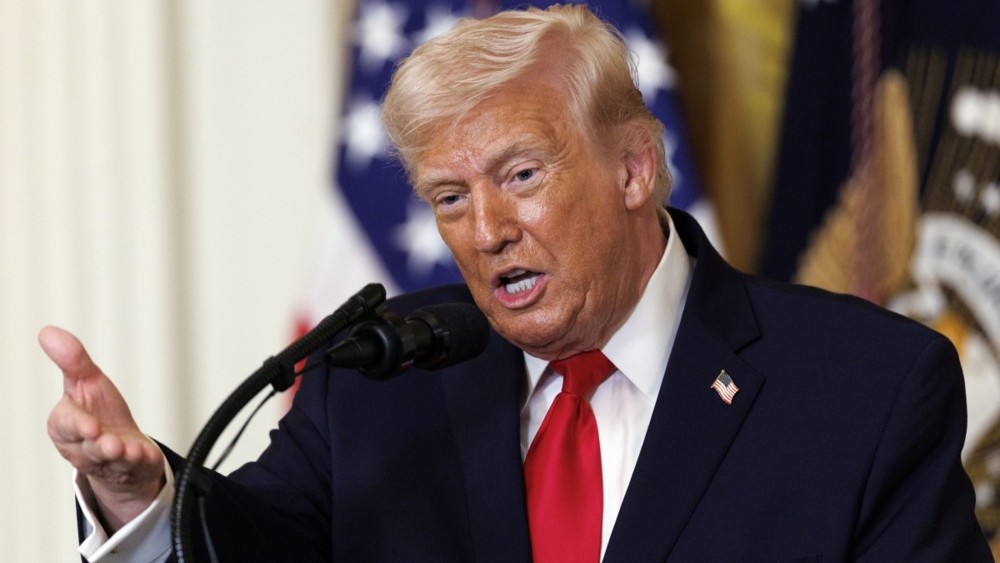
U.S. President Donald Trump posted on his social network a call to a number of states — from China to France and Japan — to help ensure the security of shipping in the Strait of Hormuz, hinting at U.S. willingness to use military force to guarantee passage. The message appeared against the backdrop of rising tensions with Iran and has already affected energy markets.
What exactly did Trump propose?
He urged countries that depend on supplies through the Strait of Hormuz to send their ships to "ensure the openness and security of the strait." At the same time, the post contained a promise that the U.S. would continue strikes on coastal infrastructure and Iranian maritime targets.
"Many countries, especially those affected by Iran's attempt to close the Strait of Hormuz, together with the U.S. will send warships to ensure the openness and security of the strait... We have already destroyed 100% of Iran's military capability, but it's easy for them to send one or two drones, drop a mine or launch a missile... One way or another, we will soon make the Strait of Hormuz OPEN, SAFE and FREE!"
— Donald Trump, President of the United States
Why this matters for Ukraine
About 20% of global oil and gas shipments pass through the Strait of Hormuz. Restrictions or fear of navigation immediately affect energy prices, which impacts Ukraine's fuel market and energy sector. As analysts at LIGA.net have already explained, higher fuel prices and risks of shortages can increase pressure on household budgets and on business expenses.
What are the risks and limitations of such an initiative?
First, not all invited countries have the same readiness for direct military action near the Iranian coast. For China, for example, the key priority is ensuring energy supplies, but participating in a military campaign against Iran carries geopolitical and economic risks.
Second, involving the navies of several states may reduce the risk of isolated attacks on ships, but at the same time raises the likelihood of incidents between warships and the escalation of a local conflict into a broader one. Maritime security and energy market analysts warn that rhetoric combining a call for a coalition with parallel threats of bombardment makes forecasts more uncertain.
Can an international coalition stabilize the routes?
Theoretically — yes. Escort operations and patrols can reduce the risk of attacks on tankers. In practice, success will depend on several factors: the willingness of key oil consumers to take direct action, the consistency of rules of engagement at sea, and whether words will turn into concrete coordination agreements between fleets.
Conclusion
Trump's message forces attention not on emotional phrasing but on who and in what way is ready to take responsibility for the security of sea lanes. For Ukraine the key question is how prices will change and whether there will be guarantees of stable energy supplies. Right now it is important to monitor two indicators: actual coordination of the fleets and the behavior of energy markets. Declarations must turn into concrete steps — and that is a task for international partners on whom our energy stability depends.





