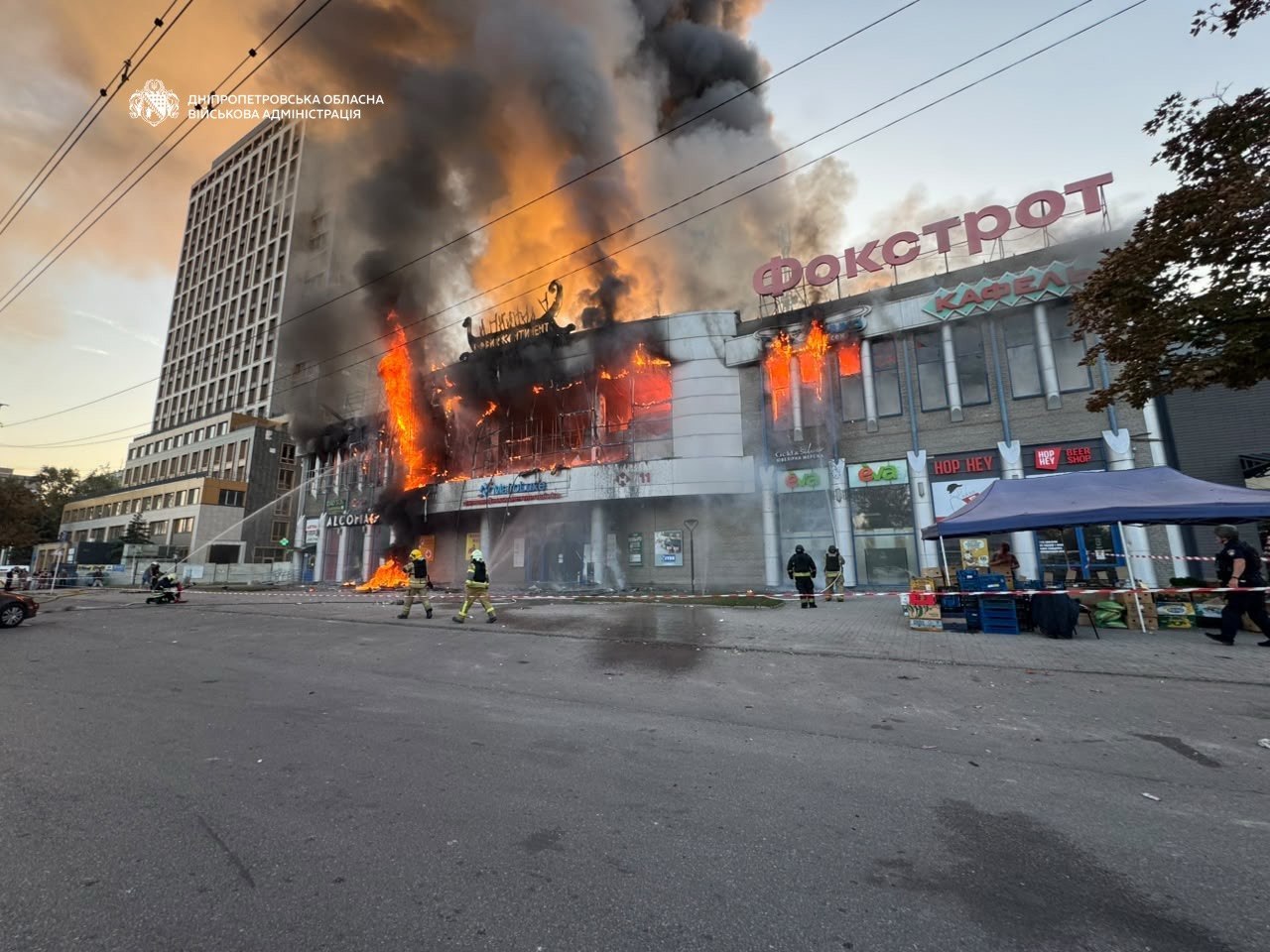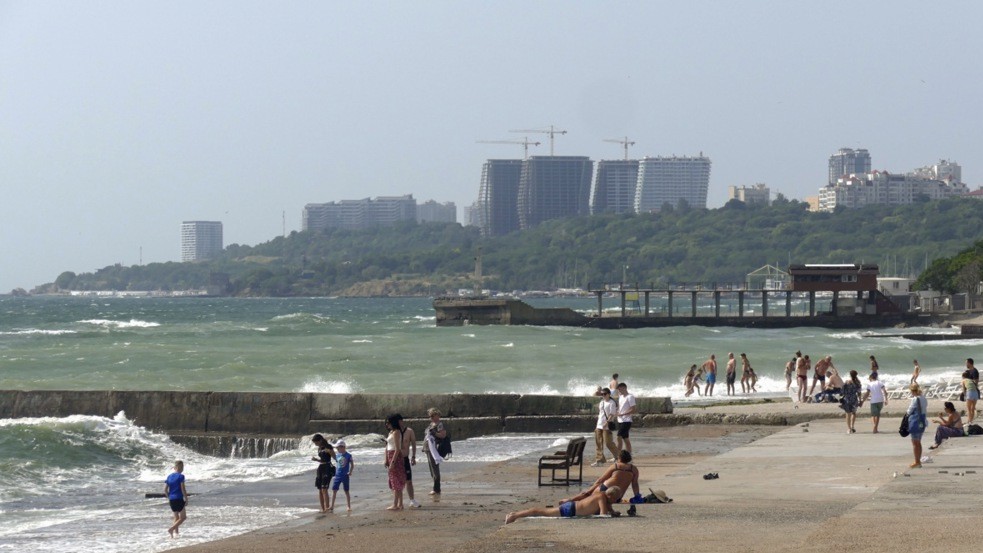
This summer in the Odesa region, mines killed twice. In June and August 2025, nine people were blown up on the restricted shoreline near Zatoka and Karolino-Buhaz — three of them died on August 10 alone. Since 2022, nine vacationers have been killed by mines in this area, and three more were injured. The common factor in all cases — people entered the water where it is officially prohibited.
Where the mines come from and why they can't be counted
Dmytro Pletenchuk, spokesman for the Ukrainian Navy, explained to LIGA.net that the mine threat in the Black Sea is a layering of several eras. «Unfortunately, this includes even mine-explosive devices from the First and Second World Wars. Plus everything that ended up in the water during the Russian-Ukrainian war. That's why there's always work to be done», he said.
A separate layer consists of river mines YRM (manufactured in the 1950s, weighing about 18 kg), which were washed into the sea by the Dnipr after the Kakhovka Dam was destroyed in June 2023. According to experts' estimates, there could be hundreds, if not thousands, of such mines in the Black Sea. Mines are anchored by cable, but storms tear them loose — and they begin to drift along the coast from Mykolaiv to Odesa regions, and then to the shores of Romania, Bulgaria, and Turkey.
An additional complication — three coordinates: unlike on land, where a mine sits statically and its position can be marked on a map, a sea mine moves through space. There is no such thing as a map of the mined waters.
Officially open beach ≠ safe beach
As of summer 2025, 32 beaches are officially open in the Odesa region — their seabeds have been checked by divers, there is necessary infrastructure and shelters nearby. But even after inspection, Pletenchuk warns against excessive confidence: «Even officially open beaches do not have 100% safety guarantee. A storm can wash ashore mines, especially after the destruction of the Kakhovka Dam».
Contact fuzes trigger from touch or pressure. According to Pletenchuk, «unfortunately, they trigger in half the cases» — meaning even a spotted but not detonated mine poses an active threat.
«There are contact fuzes and after pressure they can trigger. You definitely shouldn't approach them. You need to maintain maximum distance between yourself and such objects. According to our protocols, that's a minimum of 1 kilometer».
Dmytro Pletenchuk, spokesman for the Ukrainian Navy
What to do if you spot a suspicious object
- Don't approach it. Maintain a minimum distance of 1 kilometer — that's the Navy's protocol.
- Don't wait for sappers nearby. According to Pletenchuk, sea mines often explode before a mine-clearing team arrives.
- Warn others and immediately notify police or the State Emergency Service.
- Don't photograph it closely and don't try to «take a closer look» — even light mechanical load can activate the fuze.
How long will this take
Pletenchuk reported at a briefing in Media Center Ukraine that approximately 400 mines have been detected in the Black Sea waters. The active phase of clearing sea trade routes after the war ends will take 3 to 5 months, the global cleanup operation — 3 to 5 years. Complete neutralization of the waters, including mines from World War II, will require decades. The operation headquarters has already been established; Ukraine is counting on participation from Romania, Bulgaria, and Turkey, and after the Bosphorus opens — on NATO ships as well.
But there's a condition: full-scale mine-clearing can only begin after military operations cease — while Russia continues to drop explosive objects into the water, every neutralized object can be replaced with a new one.
The question that remains open: if even verified beaches don't provide a 100% guarantee, and a storm can bring a mine ashore any night — is the current warning system sufficient for a vacationer to learn about a new threat before entering the water?