What happened
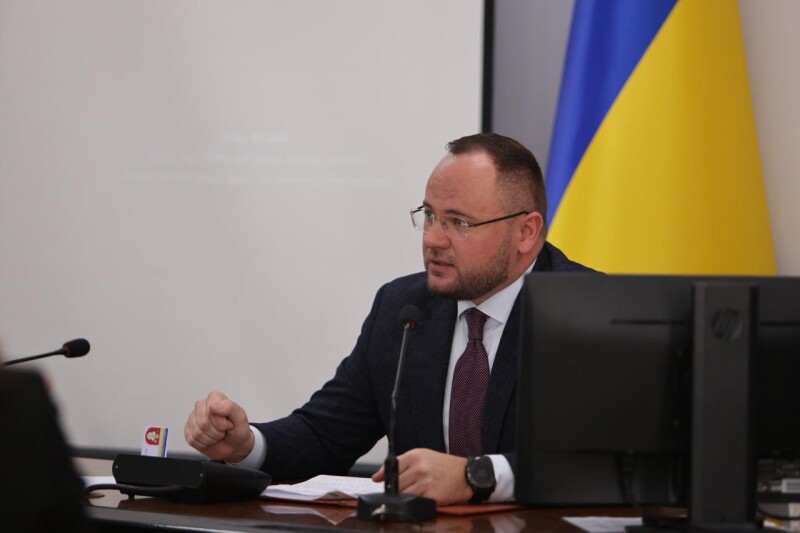
On 25 March, deputies of the Lutsk City Council voted for the early termination of the powers of mayor Ihor Polishchuk. The decision was supported by 38 of 42 deputies, the city council's official website and Suspilne correspondents at the session report.
Polishchuk submitted a letter of resignation of his own accord on 23 March and did not disclose the reasons for his resignation in detail in the session hall.
"This resignation is absolutely not connected with NABU or with an audit. I do not consider it necessary to detail the circumstances that prompted me to write such a statement."
— Ihor Polishchuk, former mayor of Lutsk
Who else — and who replaces him
Also on 23 March, the council secretary Yuriy Bezpyatko submitted his resignation; deputies supported it — 36 elected members voted "for". Kateryna Shkloda was elected the new secretary: 31 voted for her. Shkloda has been a city council deputy since 2020; the city council publication also notes that she became the ombudsman's representative in the Volyn region (the notice states "since October 2025", which is likely a technical error in the dating of the official publication).
Context: NABU and other investigations
In December last year, NABU detectives carried out searches at Polishchuk's home and workplace, as well as in the office of the head of the regional council, Hryhorii Nedopad. Polishchuk said that NABU officers acted correctly, that no suspicions were brought against him and that he was not informed of being a witness. At the same time, NABU reported suspicions against two other Lutsk council members — Anatoliy Vitiv and Mykola Fedik — in a case about a possible receipt of $30,000 for a building permit; the High Anti-Corruption Court applied preventive measures to the individuals (bail and an electronic bracelet), NABU and the court reported.
This comes against the backdrop of a number of other high-profile anti-corruption cases in Ukraine: in March the High Anti-Corruption Court remanded in custody the deputy head of the SBU in the Rivne region, Ihor Brik, on suspicion of extorting a bribe, and the police conducted searches in dozens of medical institutions as part of investigations into treatment expenditures. Separately, media outlets including LIGA.net have written about large corruption schemes in the energy sector — all of which creates an overall picture of heightened anti-corruption activity.
Why this matters for Lutsk residents
Stability of local government directly affects service delivery, infrastructure projects and budget priorities. During the war, effective local governance is not only a matter of comfort but also of security and the ability to respond quickly to challenges.
Polishchuk categorically rejects any link between his resignation and NABU — yet the series of anti-corruption measures in the region increases political risks for leadership. Political changes can be voluntary (a change of priorities, personal reasons) or driven by external pressure; at present there is no direct evidence linking the resignation to specific criminal proceedings.
What next
The local council has already appointed a new secretary, but two practical questions matter to the community: whether there will be a transparent and orderly transfer of powers, and whether the city's key projects will continue without delays. At the same time, following the progress of the investigations and official statements from NABU and the High Anti-Corruption Court is in the interest of everyone who wants accountable local government.
For now, the recorded facts are: the resignation, the council vote, Polishchuk's explanation, and the broader anti-corruption context. Further conclusions will require documented data and decisions by law enforcement agencies.
Sources: Lutsk City Council website, Suspilne, NABU press releases, High Anti-Corruption Court decisions, LIGA.net materials.





