Why this matters for Ukraine
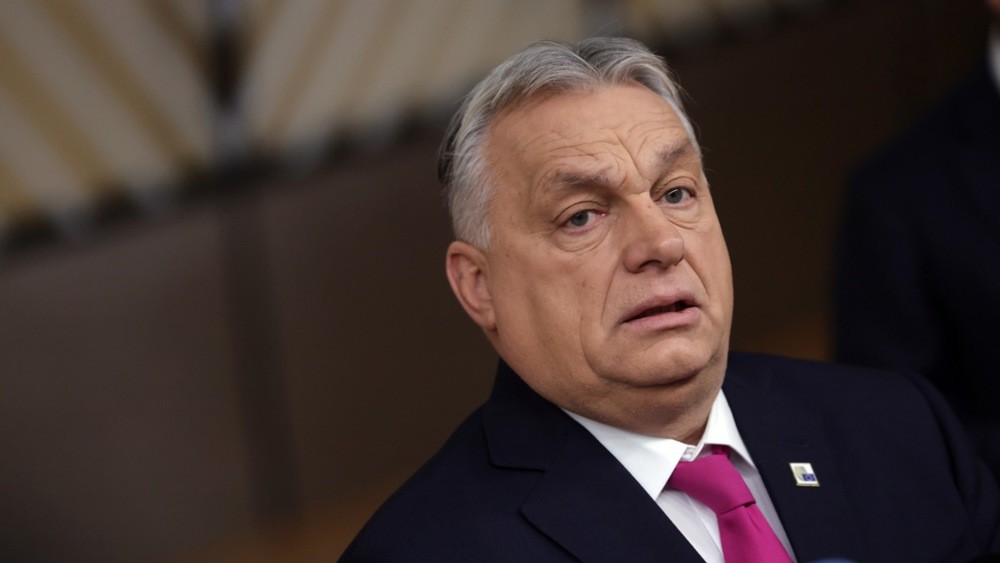
The elections in Hungary scheduled for April 12 could become a turning point for the first time in 16 years: either the preservation of Viktor Orbán's power with his openly antagonistic rhetoric toward Kyiv, or the arrival of the opposition "Tisa," which declares a reorientation toward the EU and NATO. For Ukraine this is not only a geopolitical symbol: it concerns practical mechanisms of pressure within the EU, the rights of the Hungarian minority in Zakarpattia, and diplomatic possibilities for the coming years.
Expert view
"The hostile narratives of the ruling party have constructed an image of Ukraine as an enemy that poses a threat to Hungary's security. These narratives were effective and persuasive, and public perception of Ukraine has significantly worsened in recent years."
— Richard Demeni, analyst at the Political Capital Institute (Budapest)
The source of the comment is an LIGA.net piece from Budapest. The analyst draws attention not only to rhetoric but also to the causal link: hostile narratives reinforce public support for policies that are then used as an instrument of foreign policy.
Scenario 1 — Fidesz victory
If the ruling party retains power, significant changes in relations with Kyiv are unlikely. Anti-Ukrainian rhetoric will very likely remain part of domestic politics, and the government will continue to use the Ukraine issue as a bargaining lever in relations with the EU — from financial mechanisms to political sanctions. For Ukraine, this would mean a continued risk of Brussels initiatives being blocked and additional political pressure on allies' positions.
Scenario 2 — Tisa victory
A transition to power by "Tisa" offers greater chances for de-escalation: the party has declared a reorientation toward the EU and NATO and a readiness to restore regional relations. According to Demeni, "Tisa" may seek diplomatic ways to resolve long-standing disputes over the rights of Hungarians in Zakarpattia. At the same time, this does not imply openly pro-Ukrainian sentiments: the party does not promise military aid and will set conditions regarding Kyiv's EU integration — including a national referendum vote.
What Kyiv should consider
A realistic approach is to prepare for both scenarios. If Fidesz retains power, Kyiv's task is to minimize Budapest's ability to block actions in the EU through active coordination with partners and transparent work on issues that raise concerns in Hungary. If "Tisa" comes to power, this creates a window for diplomatic negotiations on the rights of Hungarians in Zakarpattia and the removal of some veto grounds, but it does not guarantee military support.
Conclusion
The elections in Hungary are not only an internal matter for Budapest: they are a decision point that directly affects Ukraine's security and external support. Analysts agree that the most likely outcome will determine whether Hungary remains an external lever used for bargaining with the EU or becomes a partner with whom complex but necessary steps can be negotiated. Whether Kyiv can turn the potential political developments in Hungary into practical diplomatic results depends on the activity of Ukrainian diplomacy and the stance of European partners.





