What happened
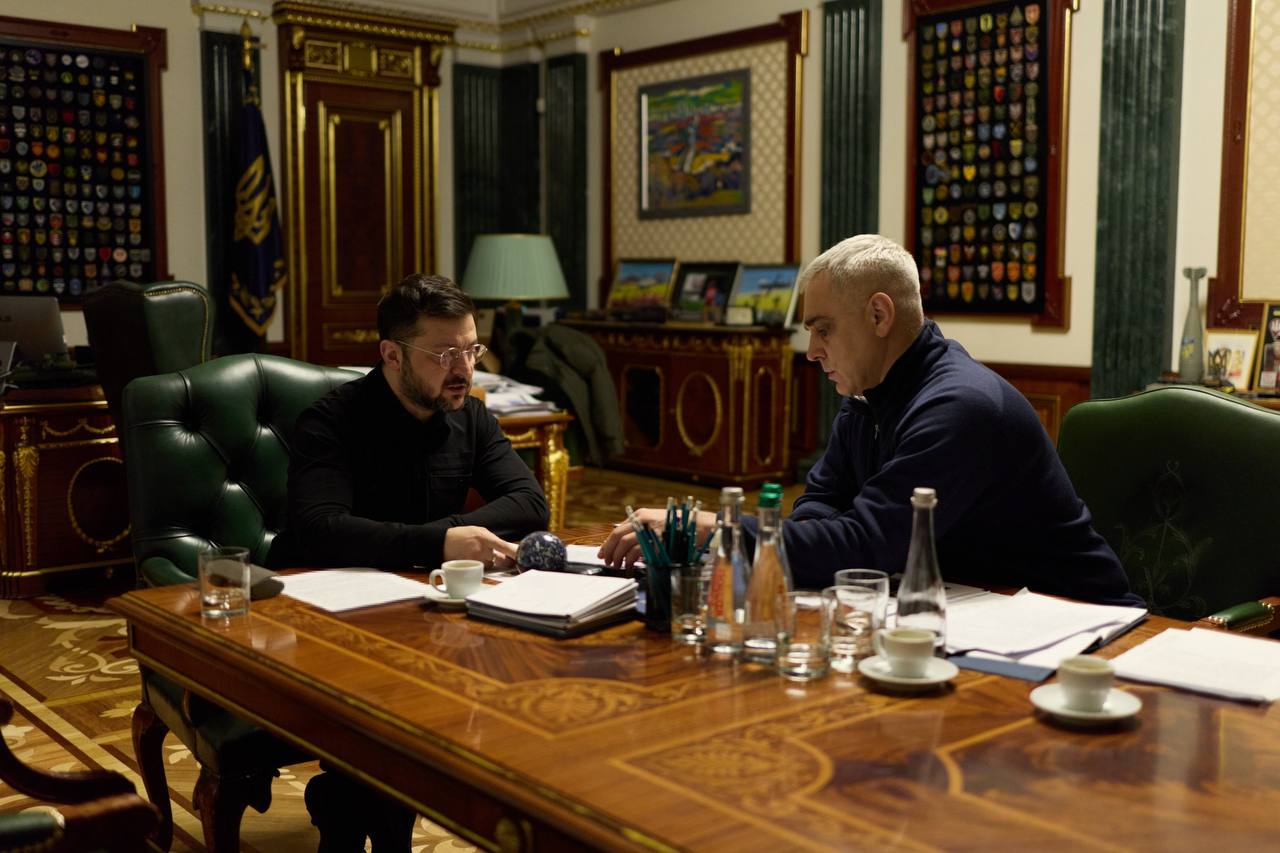
Following a report by the first deputy head of the Security Service of Ukraine, Oleksandr Poklad, President Volodymyr Zelensky reported that the defense forces had captured a Russian serviceman involved in the shooting of Ukrainian prisoners of war in the Kursk region.
"It is precisely the Russian who is responsible for the shooting of Ukrainian prisoners in October last year in the Kursk region who has been taken captive. Every Russian killer must be held accountable for what they have done. That will be the case."
— Volodymyr Zelensky, president of Ukraine
Why this matters
The detention matters not only as an act of justice — it strengthens the process of documenting war crimes and creates prerequisites for further criminal proceedings. For the families of the dead and for the state, it is a signal: systematic work by law enforcement agencies is aimed at ensuring that the guilty do not escape responsibility.
Context and figures
According to the Office of the Prosecutor General, as of July 2025 the execution of 273 Ukrainian prisoners of war had been recorded. In May, special units also captured another suspect in the shooting of unarmed fighters in the Kursk region.
- 273 — recorded cases of execution of prisoners of war (Office of the Prosecutor General, July 2025)
- May 2025 — a prior arrest of a suspect in the shooting in the Kursk region
What’s next
Next comes the work of investigators: gathering evidence, expert examinations, procedural actions, and transfer of materials to court. The quality of the case documentation will determine whether this detention leads to court convictions that will have both legal and political impact.
International and Ukrainian experts emphasize: systematic recording of crimes is the key to long-term accountability for Russia's actions. Whether these detentions will become a turning point for effective judicial procedures is a question that the next stage of the investigation will answer.





