Context and key points
The systematic work of air defenses often remains out of the headlines — until an enemy drone hits a city. During the day on 24 March, Russia carried out a massive attack with strike UAVs; fires broke out in residential buildings in Lviv, people were injured and UNESCO heritage sites were affected. At the same time, a dispute intensified in public discourse between the city authorities and the military over the effectiveness of air defense.
What happened
According to reports, Soborna Square, Brativ Rohatyntsiv Street and Chervona Kalyna Avenue were hit during the attack; there are dozens of injured and damage to monuments. The Air Forces said that Russia used one of the most massive drone attacks — nearly 1,000 strike UAVs were employed in a single day.
Numbers and what they mean
The commander of the Unmanned Systems Forces (USF), Robert (Madyar) Brovdi, gave a different figure: of 556 launched "Shaheds" only 15 reached their targets — about 3%. He also noted that Ukrainian air defenses destroy 95–97% of enemy UAVs at various lines — from the frontline to rear cities.
The discrepancy in the figures (556 vs ~1,000) may seem contradictory — but such differences are often explained by different counting sources: some structures count actual launches in a specific region, others count total attacks across the country or repeated launches at different times. That does not change the key conclusion: air defenses are working intensively, but the enemy is trying to increase saturation and change tactics.
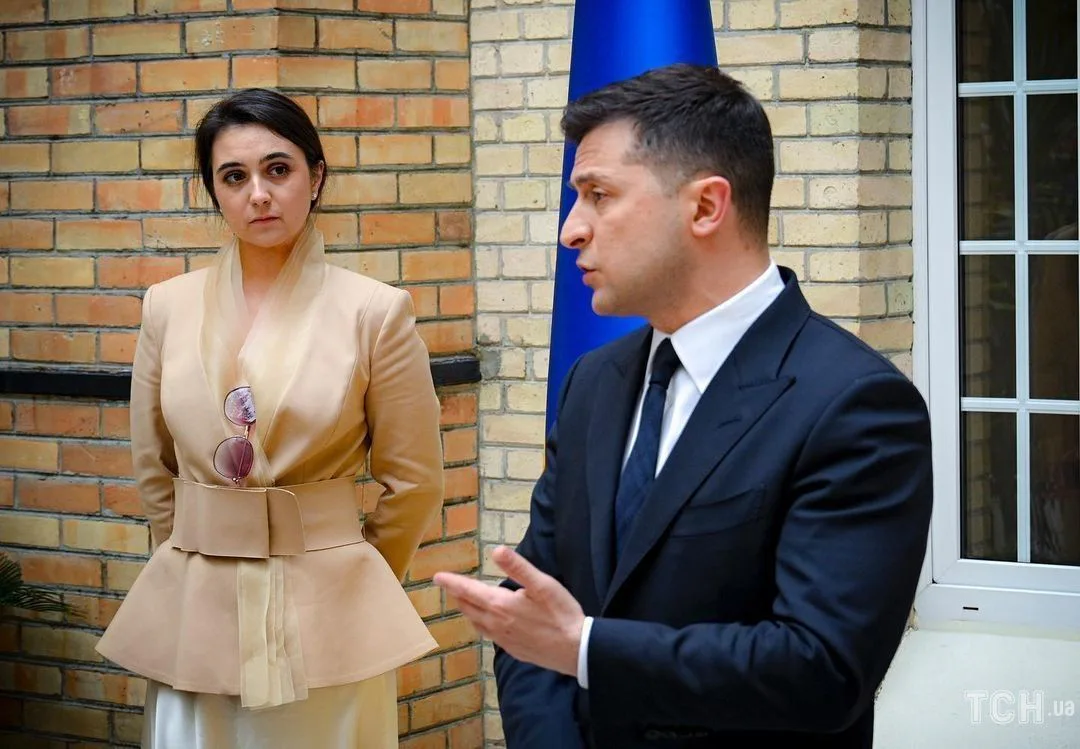
"I have a lot of questions for everyone. Every day we buy drones, anti-drone systems, everything we are asked for — and hand it over. We spend the lion's share of the city's budget supporting the military"
— Andriy Sadovyi, mayor of Lviv
"And in reality why do they, Russian drones, reach Lviv? ... Excuse me, but that evening reproach of yours or a customer's complaint — stop it, please"
— Robert (Madyar) Brovdi, commander of the Unmanned Systems Forces of the Armed Forces of Ukraine
Why some drones reached the city
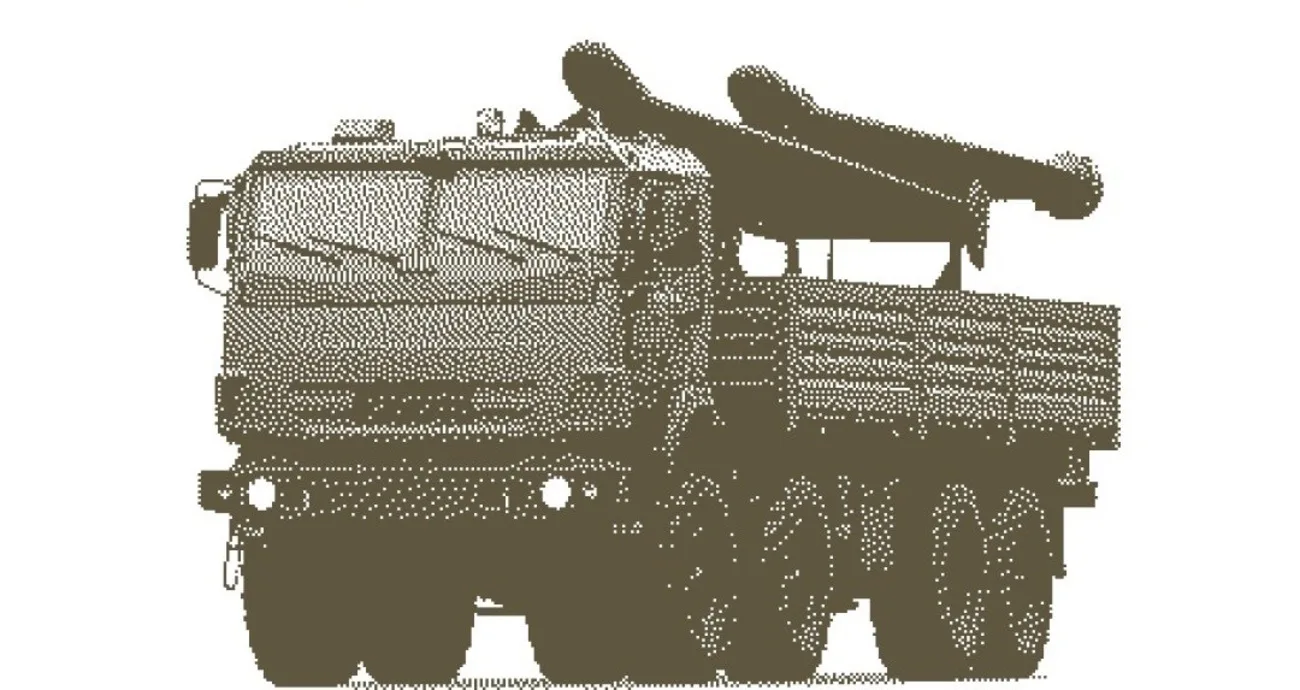
Analysts and the media (including LIGA.net) note that the Russians are experimenting with new options for "Shaheds": adding elements of artificial intelligence, online control and even anti-tank mines. According to electronic warfare specialist Serhii Beskrestnov (Flash), the enemy is betting on:
- saturating airspace with a large number of targets simultaneously — to "overload" surveillance channels and air defense;
- a combination of simple and modified platforms (online control, adaptive algorithms) that are harder to jam with traditional EW;
- targeted attacks on notification and command infrastructure to reduce response speed.
What this means for cities and defense
The 3% figure is both an argument for the effectiveness of air defenses and a signal that the enemy is working on ways to bypass that defense. For cities this means combining local protective measures (sensors, early warning systems, anti-drone complexes) with state coordination of resources and operational information from the military. City budgets that support the military are making their contribution, but key technological solutions and large-scale systems must come from the state and partners.
Conclusion
While the numbers confirm the high effectiveness of Ukrainian air defenses, the enemy is modernizing tactics. This is not a reason for panic, but a plan of action: invest in integrated systems, strengthen EW protection and increase cooperation between cities and defense forces. Now the ball is in the court of those who supply technology and finance — will they be able to keep up with changes in the opponent's tactics?