Briefly
The European Union must find ways to finance Ukraine despite Hungary's blocking of a preferential loan of €90 billion. This issue became central during the EU summit on March 19 and has a direct impact on the combat capability of our forces already this spring.
What the president said
"I discussed this issue [unblocking the loan] with leaders of the European Union, as well as with the presidents (the heads of the European Council and the European Commission). We are more optimistic. They will find ways to partially finance us"
— Volodymyr Zelensky, President of Ukraine
Diplomatic context and risks
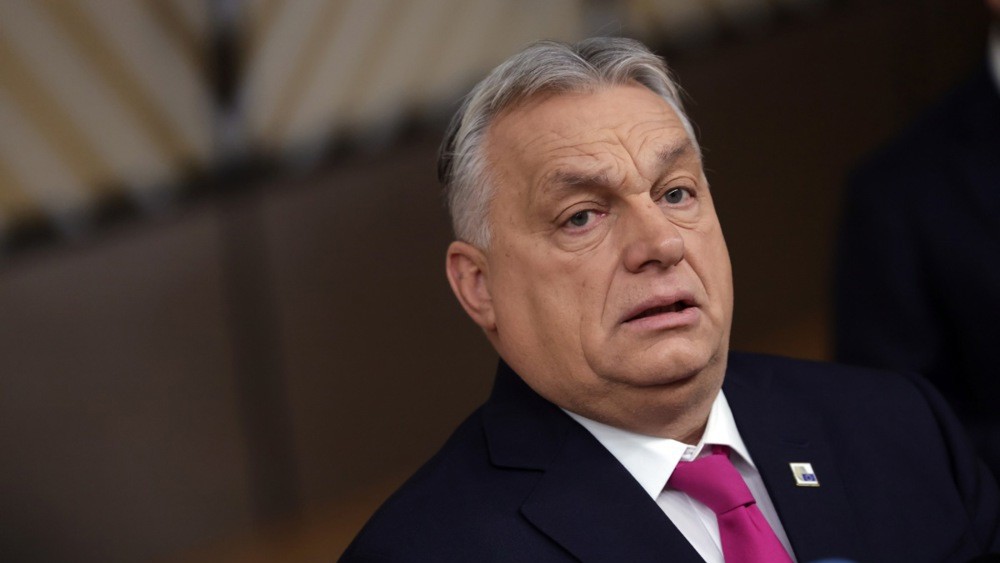
The loan is scheduled for 2026–2027, and about €60 billion (roughly two thirds) was to go to the defense sector. The decision is being blocked by the Hungarian government amid disputes over oil transit through the "Druzhba" pipeline — an issue also raised by the prime ministers of Hungary and Slovakia. At the March 19 summit, leaders failed to persuade Orbán to unblock the loan.
Available alternatives: what they say
According to Politico and diplomatic sources in Brussels, the EU has a "plan B" — ranging from partial disbursements and guarantees to mechanisms that allow funds to be mobilized more quickly. At the same time, the leadership of the National Bank of Ukraine acknowledges that the domestic debt market or monetization (printing hryvnia) cannot fully replace financing of this scale.
Practical consequences for the front
A delay of funds in the spring will directly affect production of drones, particularly long-range ones, and our ability to strike the enemy's energy infrastructure. This is not about declarations — but about preserving operational capabilities and ammunition supplies.
What next
Diplomacy in Brussels is working under political pressure. The European Union has tools to minimize the risks from a single country's veto, but decisions will require political will and rapid coordination. Now it's up to the partners: will they turn words into money and guarantees that will preserve production lines and Ukraine's defensive capabilities this spring?





