More is being decided behind closed doors than in press releases. What yesterday still seemed like mere diplomatic words is taking shape today — and it directly concerns our people and our home.
What Starmer said
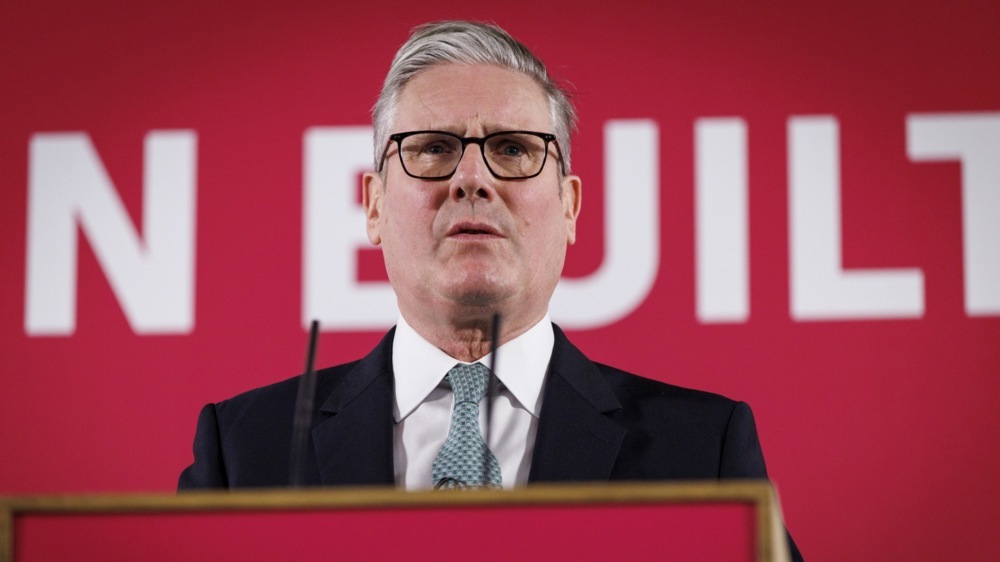
UK Prime Minister Keir Starmer, in responses before House of Commons committees, confirmed that a "coalition of the willing" has developed strategic plans to strengthen Ukraine's defense capabilities. These plans cover security in the air, at sea and on land, and envisage concrete military scenarios — if necessary with the option to deploy forces on Ukrainian territory. Peace remains a priority, but preparation is now our best guarantee.
"We ran a military process involving military planners. We clearly set out the tasks: we need strategic plans for security in the air, at sea and on land, as well as for strengthening Ukraine's own capabilities. Now we have ready military plans for each of those areas."
– Keir Starmer, Prime Minister of the United Kingdom
Why this matters
This is not a small step — this is a historic moment. Western analysts and insiders point out that the shift from words to concrete plans changes the logic of deterring the Kremlin. If previously support was limited to supplying equipment and training, now on the table are options for actual force deployments that can hold back escalation and create an additional shield for our defenders.
This decision aligns with earlier initiatives: in January 2025 Volodymyr Zelensky spoke of the need for up to 200,000 peacekeepers after a ceasefire; according to Bloomberg, by August 2025 about 10 countries were prepared to send contingents after a ceasefire; in November the United Kingdom had already announced initial support and readiness to cover initial costs of over £100 million. These facts are not accidental — they create a security framework to rely on.
What happens next
Insiders warn that legal, political and logistical barriers still need to be overcome. But the very existence of such plans is a signal to Moscow and a reassurance for our soldiers. The world is discussing this turn, Western analysts call it pivotal, and public support shows — we are not alone.
This is a time for vigilance and faith: partners' preparations mean more chances to save lives and preserve territory. We will continue to monitor developments and report on key steps — because this could indeed become the historic turning point that brings security closer to our home.





