Briefly: why this matters to you
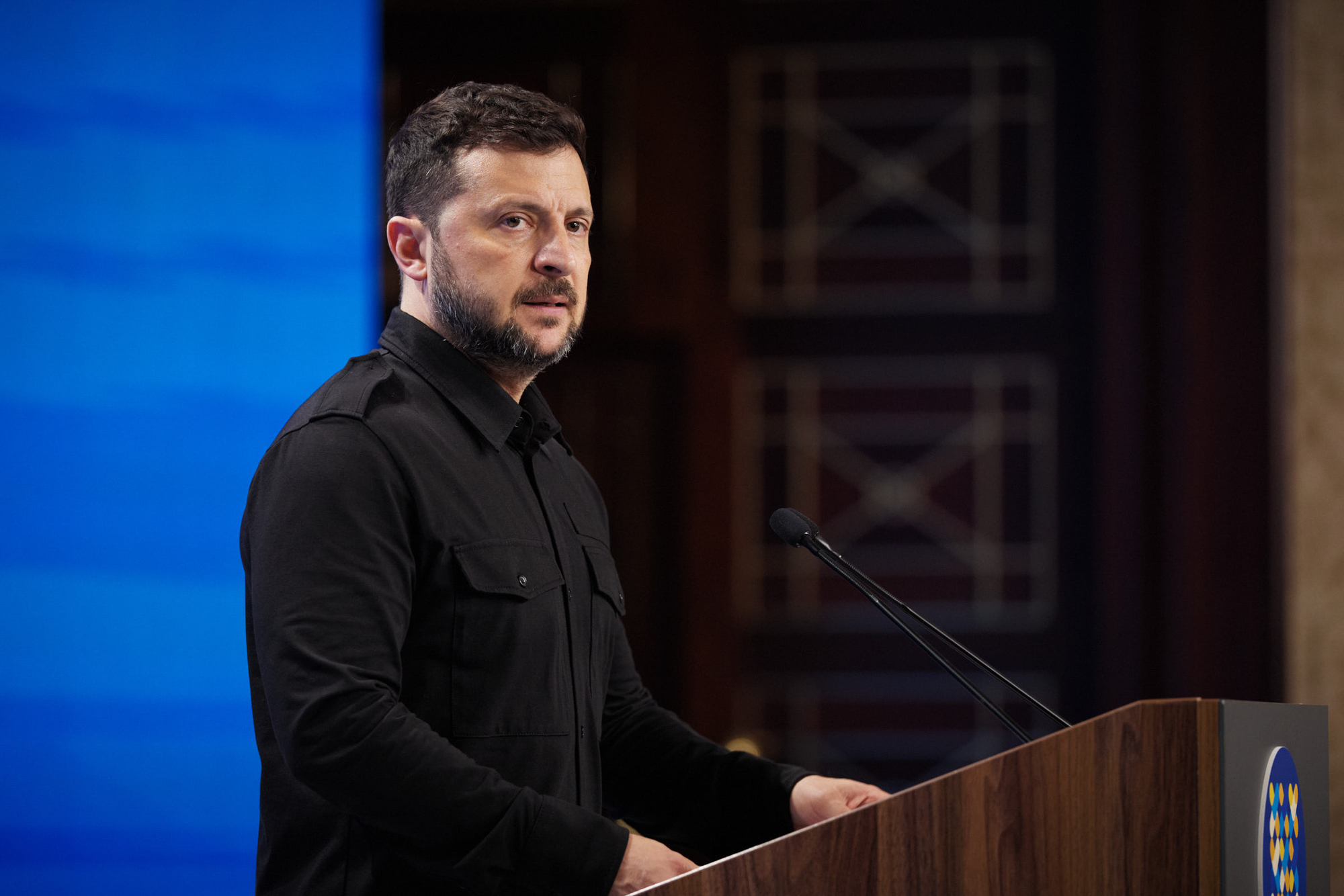
The statement by President Volodymyr Zelensky shifts the focus from “individual deliveries” to a systemic transfer of knowledge and technology that extends the threat timeline for Ukrainian cities and infrastructure. It’s not just about single missiles — it’s about the enemy’s ability to restore and scale up strikes.
What Zelensky said
“I’ll tell you one thing: when the first ‘Shaheds’ were launched – there were no Russian operators. There were operators from another country from which the ‘Shaheds’ came, and they trained them (the Russians) in real war.”
— Volodymyr Zelensky, President of Ukraine
The president also noted that two years before the full-scale invasion Iran transferred about 150,000 artillery shells to Russia, and North Korea — six to seven million shells. In addition, Iranians allegedly provided missiles under license and the first strike drones in August 2022.
Source confirmation
These claims echo a number of open and public sources: Bloomberg reported on Iran selling missiles worth nearly $3 billion, and intelligence reports in July 2025 indicated that Tehran stopped direct deliveries of ‘Shaheds’ but continues to provide technical support for their manufacture. Analysts and commentators, including experts from the Center for Middle Eastern Studies, in an interview with LIGA.net stress that there are different scenarios for developments in the region that will affect Ukrainian security in different ways.
Why this matters for Ukraine
There are three key implications:
- Technical transfer: if the enemy not only buys weapons but also absorbs the technologies, that means a long-term restoration of strike capability within Russia.
- Scale of supplies: hundreds of thousands of shells and millions of shells from North Korea point to a large logistical network that must be cut off — not only with targeted sanctions, but with comprehensive intelligence measures and international pressure.
- Diplomatic dimension: permissions to use bases in Romania and any increase in partners’ presence (escort, intelligence, air defense) change the balance of risks and provide additional opportunities to protect Ukraine.
“Any additional U.S. forces strengthen the country.”
— Volodymyr Zelensky, President of Ukraine
What’s next: practical takeaways
Partner countries need to turn data and statements into three concrete steps: strengthen intelligence sharing, accelerate deliveries of air defense and counter-drone systems, and purposefully block supply chains for components and technical support. For Ukraine, this means prioritizing resources — from intelligence to mobilizing counter-drone solutions in cities.
Summary
Zelensky’s statement emphasizes not only the operational aspect of the threat but also the strategic one — the transfer of knowledge and manufacturing capabilities. The question for partners now is: will they convert international evidence and public statements into concrete actions that will limit the enemy’s ability to reproduce strikes? Much depends on the answer in the short and medium term.





