About the statement
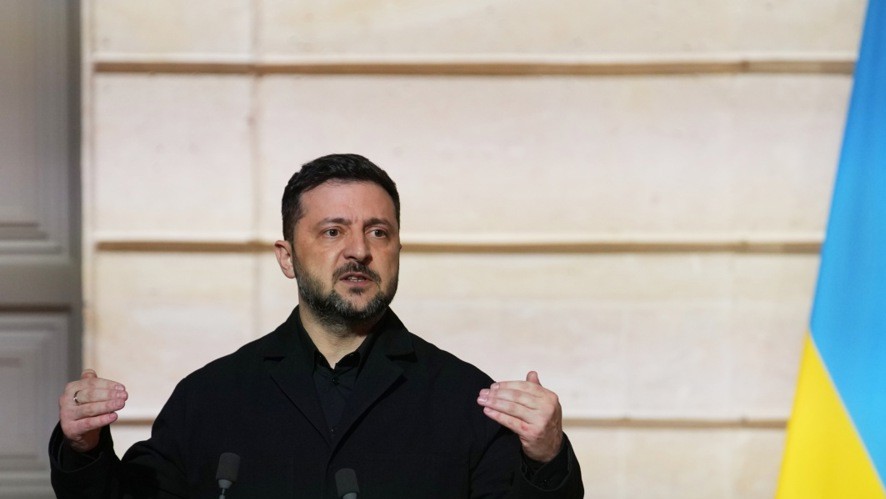
In an interview with the Italian newspaper Corriere della Sera, President Volodymyr Zelenskyy said that normalization of relations with Hungary is possible after the defeat of the current Prime Minister Viktor Orbán in the parliamentary elections. According to the president, the Hungarian people are not inclined to be pro‑Russian, but the current political course in Budapest is being shaped under the influence of specific political forces.
"I believe that Orbán will be defeated in the elections, and then we will be able to restore normal relations with Hungary, in part because the Hungarian people are not inclined to be pro‑Russian."
— Volodymyr Zelenskyy, President of Ukraine (interview Corriere della Sera)
Why this matters for Ukraine
This is not a personal quarrel — it is about geopolitical consequences. As the president noted, Hungary matters for regional politics and energy routes, although its military weight is limited. The issue of energy transit, mentioned by Zelenskyy in the context of the “Druzhba” pipeline, directly affects the energy resilience of our region. In addition, any additional financial inflows to Russia are viewed by the president as a risk, since they could be directed toward armaments used against Ukraine.
Political context of the elections
Parliamentary elections in Hungary are scheduled for 12 April 2026. Citizens will elect 199 deputies: 106 in single‑mandate districts and 93 from proportional lists. The main rival of the ruling Fidesz–KDNP coalition is the opposition platform Tisza led by Péter Madyar. Analysts in Brussels and journalists across Europe note that these elections are among the most competitive in recent years and could determine the direction of Budapest's relations with the EU and its neighbors.
Possible scenarios and consequences
If Fidesz retains power, the confrontation with Kyiv could continue, complicating energy and diplomatic coordination within the EU. If the opposition wins, space would open for a gradual normalization of talks, the restoration of practical cooperation, and a reduction in energy tensions. At the same time, Zelenskyy states plainly that there is currently no dialogue with Orbán — in his view, conversation is impossible because there is no initiative from the Hungarian side.
Conclusion
The president's statement is not a wishful forecast but a strategic message: a change in domestic politics in a neighboring country can create foreign‑policy room for Ukraine. The ball is now in the hands of Hungarian voters and European partners — declarations must turn into concrete steps that strengthen the security and energy stability of the region.





