In high diplomacy, quiet agreements matter more than loud statements
The removal of Andriy Yermak from the position of head of the Office of the President gave Volodymyr Zelensky the opportunity to restore direct contacts with former foreign ministers and leading diplomats. Diplomats, intelligence representatives and experts — among them Oleksandr Khara and Andriy Deshchytsia — told LIGA.net this in comments.
Who returned to the president’s field of view
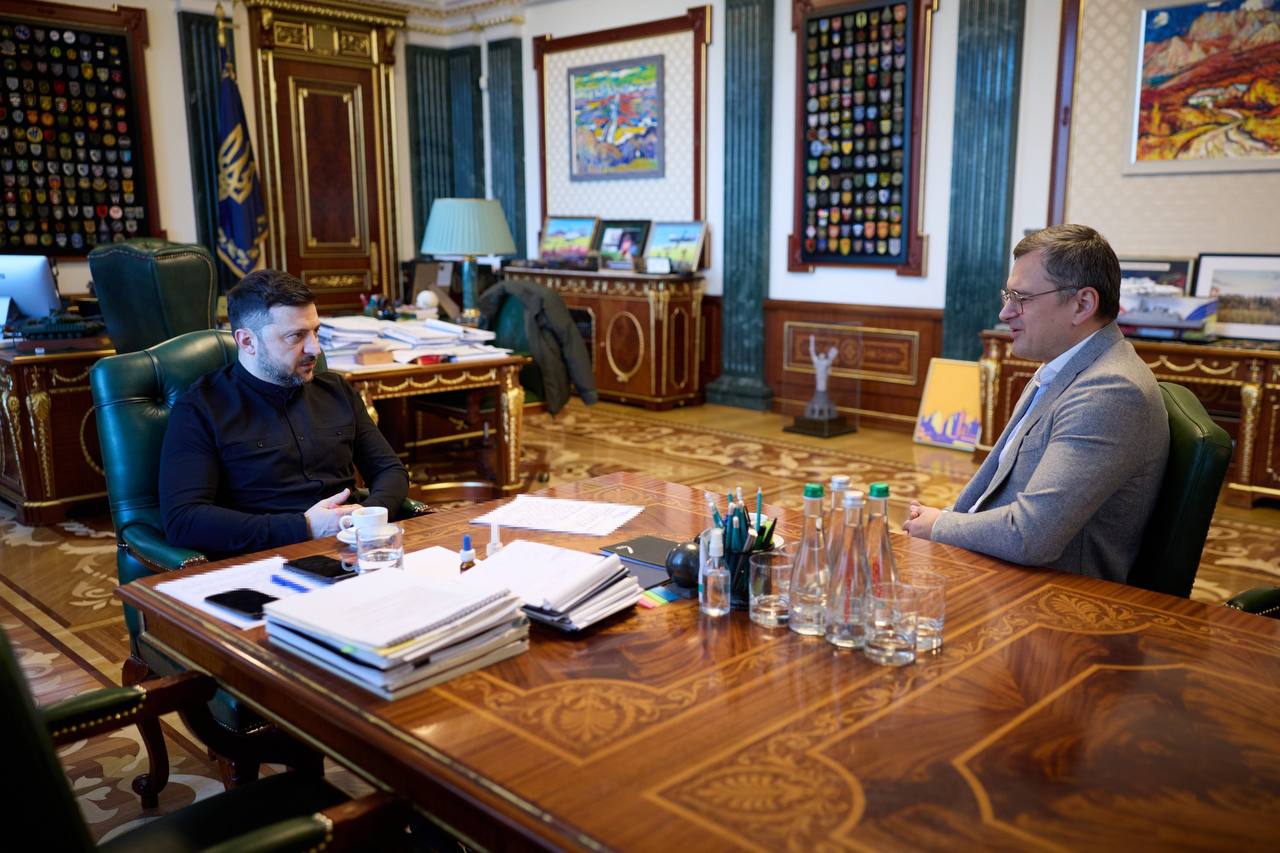
According to reports, in recent months Zelensky personally met with Dmytro Kuleba and Pavlo Klimkin. The meetings were not public: they concerned strategic approaches to work on the Belarusian direction, interaction with China, India and other non-Western actors.
"The meeting was frank and confidential and covered, among other things, strategic ideas and approaches regarding Ukraine's work on the Belarusian direction, Kyiv's interaction with China, India and the non‑Western world."
— Pavlo Klimkin, former foreign minister
Why it happened now
Experts and interlocutors in intelligence explain: under Yermak’s leadership some information flows to the president were centralized, and the "exes" effectively found themselves outside the field of direct influence. After his dismissal and personnel changes in the Office of the President, communication channels were unblocked.
"Budanov is not a dogmatist and is not guided by President Zelensky's political prospects. That is probably the tenth priority after national security."
— Oleksandr Khara, diplomat and expert at the Center for Defense Strategies
A brief timeline to remember
- On 28 November 2025 the National Anti-Corruption Bureau (NABU) and the Specialized Anti-Corruption Prosecutor's Office (SAP) conducted searches related to Andriy Yermak; on the same day he was dismissed from the post of head of the Office of the President.
- After his resignation, Yermak regained the right to practice law and in March 2026 headed the committee of the National Association of Lawyers on protecting victims of armed aggression.
- Currently under consideration is a transformation of the governance architecture in the Office of the President: Zelensky is examining not only personnel candidates but also the model of decision‑making.
What this means for security and foreign policy
Restoring direct contacts with experienced diplomats gives the president several advantages: a broader range of perspectives, faster access to analysis, and the ability to develop alternative approaches to cooperation with countries that were previously viewed with doubt or subject to restrictions. This matters for readers because such changes can affect chosen directions of support, security coordination and economic ties.
What next?
The expert community and intelligence confirm: open channels are not an automatic victory, but a necessary condition for flexible foreign policy. Now decisions will depend on whether consultations can be turned into a systematic decision‑making architecture within the Office of the President and how much Ukraine’s partners see this as a stable signal.
The question that remains: will the new contacts turn into a clear foreign policy strategy backed by institutional changes and concrete steps on the international stage?





