In high diplomacy, quiet agreements matter more than loud statements
Negotiations in Geneva on February 17–18 produced a mixed result: the delegation records progress on operational and humanitarian issues, but key political topics remain unresolved. The likelihood of prisoner exchanges and the format of further meetings depend on this.
What happened
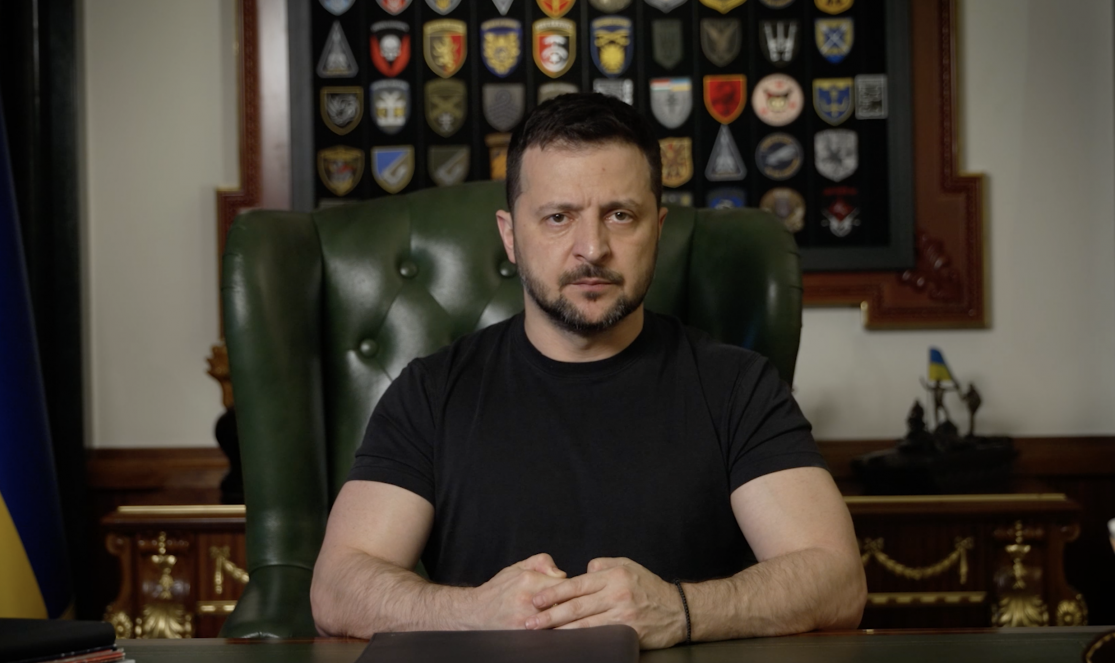
Following the negotiating group's report, President Volodymyr Zelensky said that Ukraine expects to organize another round of talks already in February and is considering the possibility of a leaders' format to resolve the most difficult issues. Coordination with European partners will continue.
“We expect that very soon, in February, we will be able to organize another round of talks and that this round can be truly productive. Ukrainian answers to the most difficult questions ahead of the next meeting are ready.”
— Volodymyr Zelensky, President of Ukraine
Humanitarian component: prisoner exchanges
The president emphasized the need to advance humanitarian issues in parallel with security ones. The Ukrainian side hopes for operational exchanges of prisoners of war; this is a practical result that increases trust in the negotiation process and has an immediate impact on people’s lives.
“The team must create conditions for progress on humanitarian issues. Exchanges of prisoners of war must continue. We expect that the exchange will become possible in the near future.”
— Volodymyr Zelensky, President of Ukraine
Sources and divergent assessments
After the first day of meetings some participants (including Vitkoff) reported progress, while Axios wrote of a deadlock because of the role of Dmitry Medinsky. Following the two-day, third round on February 17–18, the president stressed: there was progress on the military front, but not on the political one.
The Office of the President denied reports about an alleged “instruction” to prepare to fight for another three years, labeling it fake information.
What this means for Ukraine
First, prisoner exchanges are a concrete humanitarian result that can be achieved without a final political settlement. Second, a leaders' format has the potential to shift issues that are stuck at the team level; but this requires coordinated pressure from partners and a clear Ukrainian position on key political points.
Short forecast
The coming weeks will determine whether diplomatic work can translate into tangible results. If Western partners increase pressure on the aggressor and the Ukrainian team promptly implements agreed mechanisms, the likelihood of a productive round by the end of February increases. If not, work will continue at the level of negotiating groups, and the issues will be elevated to a higher, leaders' level.





