A debut that matters
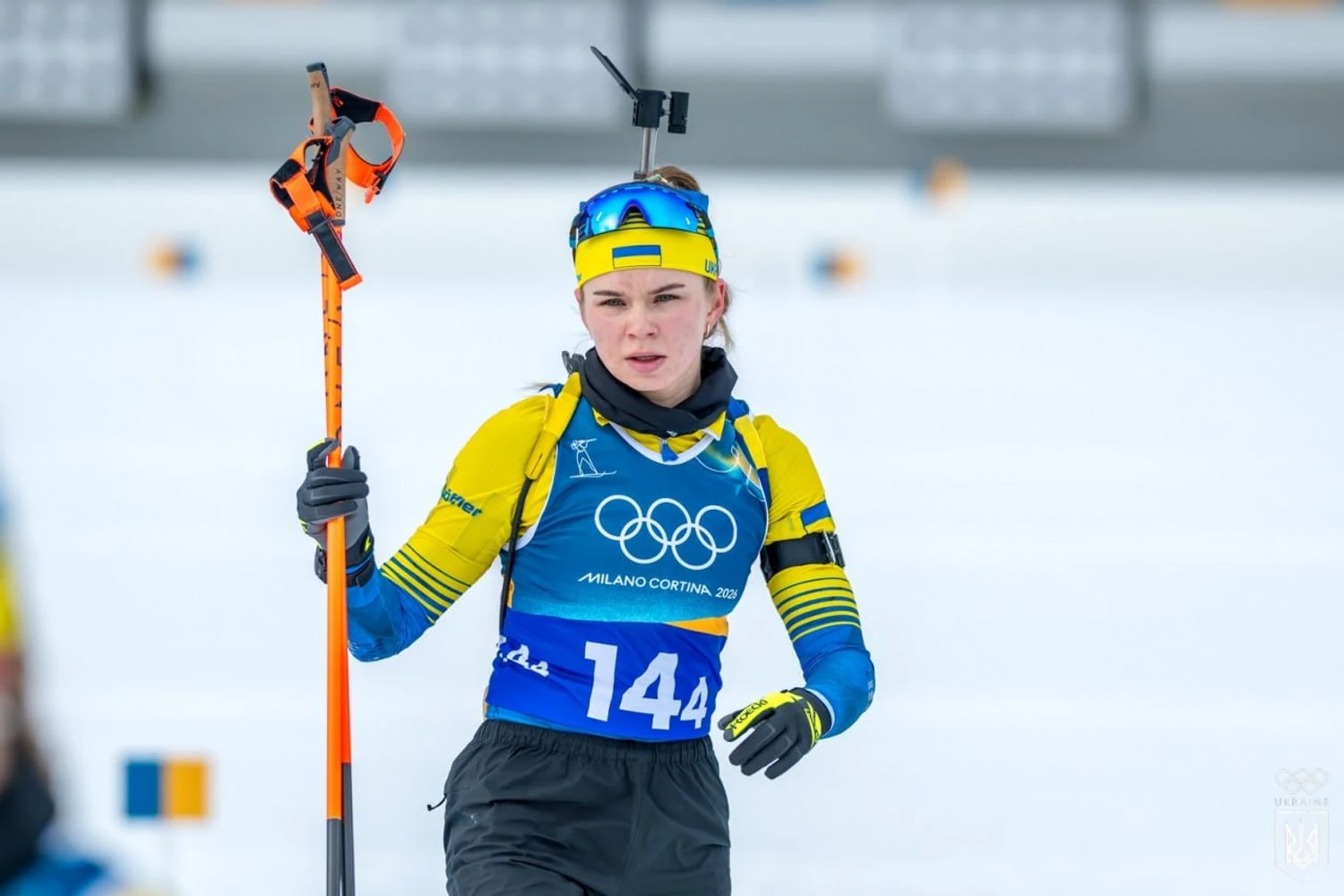
At the 2026 Olympic Games in Italy, debutant Darina Chalyk took the final leg of the women's relay and started from 10th place, moving the team up to 9th. This was reported by UNN citing the press service of the National Olympic Committee of Ukraine. The figure "one position" may seem modest, but for a team race it is a concrete contribution to the final result and a marker of the young athletes' readiness to perform under pressure.
Psychology and experience
"At the Junior European Championships I already ran the final leg, so I have experience. Of course, I felt nervous, but this time I tried not to fixate on thoughts about the race."
— Darina Chalyk, biathlete
Chalyk directly links performance to psychological preparation. After the individual race, the athlete noted that the lesson learned helped her withstand the emotional pressure in the relay.
"Today it was easier. The first start gave me a lesson that helped me prepare better mentally."
— Darina Chalyk, biathlete
What’s next
Despite wanting to return home, Darina will continue the competition season: the NOC press release mentions preparation with the national team and three final World Cup stages that await the athlete in the near future. Such a sequence of starts allows a single debut to be turned into a consistent result — provided there is psychological resilience and correction of technical mistakes.
"I missed my family, but now we have a training camp and three final World Cup stages ahead. Only after that will I be able to see my family."
— Darina Chalyk, biathlete
Reaction and context
The NOC press service congratulated Darina on her performance and emphasized the importance of the experience gained for the national team. For Ukraine, which has been steadily restoring sports programs during the war, each such debut is not just a personal success but an investment in the team's future.
Summary
Chalyk's debut is more than a solitary 9th place: evidence of the depth of the reserve pool and a test of the psychological readiness of young biathletes in the highest political and emotional context of competition. Whether the team can turn this potential into regular high results at World Cup stages and championships depends on the training process and support from the federation. This is what should be watched in the coming weeks.