What happened
Iran summoned Germany’s designated ambassador to Tehran, Axel Dittmann, and handed him a note of protest over, as the Iranian Foreign Ministry put it, “anti‑Iran activity” on German territory. The summons was confirmed by Die Zeit; a spokeswoman for the German Foreign Ministry confirmed the fact of the summons but declined to provide details of the conversation.
“'Anti‑Iran activity' was named as the main reason for the summons.”
— Iranian Foreign Ministry (via Die Zeit)
Key details
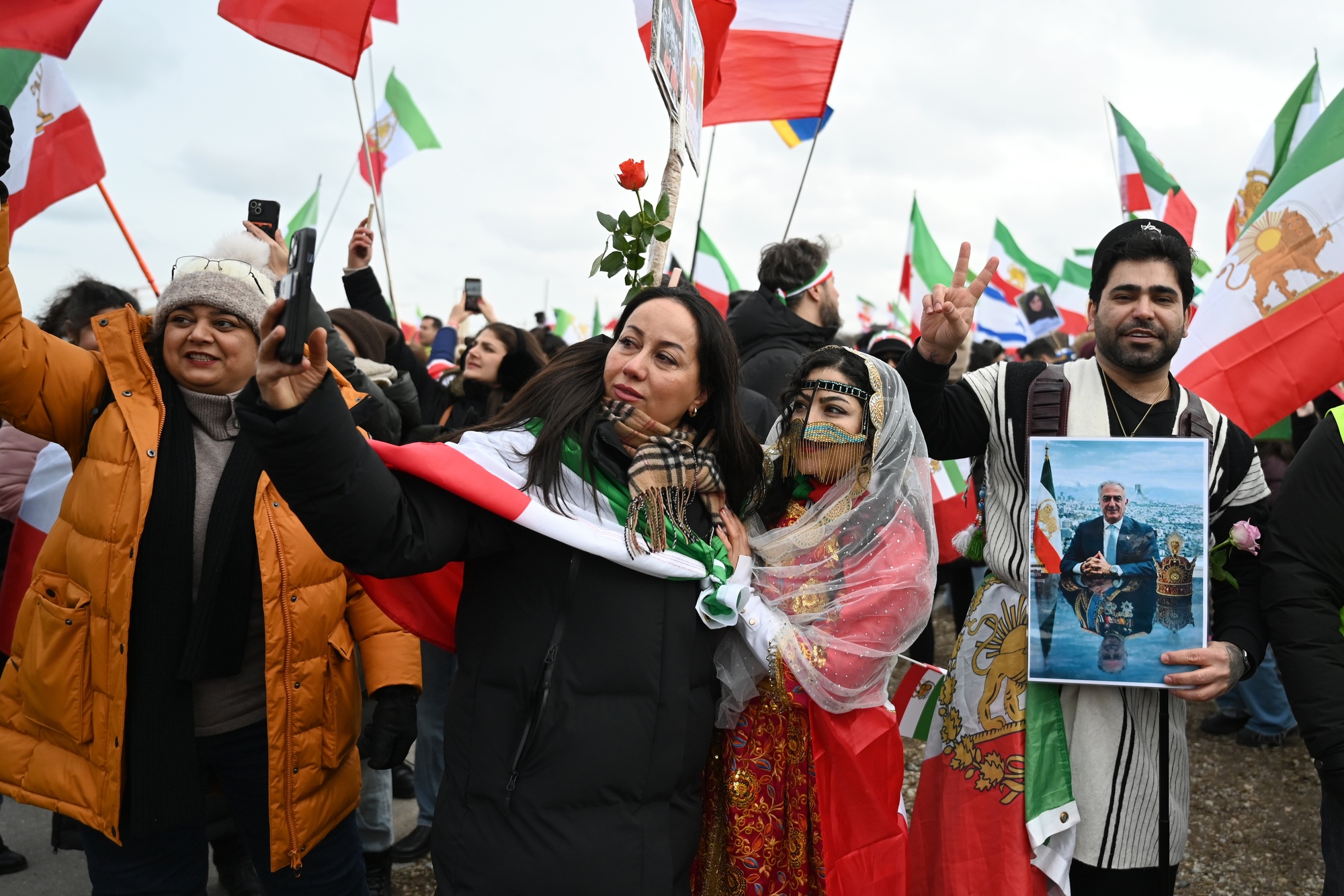
According to Munich police, more than 200,000 people took part in the demonstration during the Munich Security Conference. The action was initiated by Reza Pahlavi, the son of the shah, who has lived in exile for decades and is one of the leading opposition figures abroad.
This comes against the backdrop of mass protests in Iran in late December: authorities reportedly cut internet access, and in January security actions led to numerous casualties — there are reports of thousands of protesters killed. On 2 January 2026, Donald Trump publicly said he might intervene if force were used against demonstrators.
“The ambassador was called in on Tuesday, 17 February.”
— Spokeswoman for the German Foreign Ministry (confirmation of the summons)
Why it matters
This episode is not just a diplomatic formality. First, the scale of the action indicates the Iranian diaspora’s ability to mobilize international attention and exert political pressure on European capitals. Second, Tehran’s reaction demonstrates the regime’s intent to punish not only internal opponents but also countries where organized opposition activity is unfolding.
For Europe this is a test: whether the defense of principles (solidarity with protesters, human rights) will prevail over pragmatic interests in relations with Tehran. For Ukraine it is relevant along two lines — first, mechanisms of international solidarity with repressed societies; second, the precedent showing how authoritarian regimes respond to external pressure and how partner states can coordinate a response.
What’s next
The most likely scenarios are a short‑term diplomatic escalation (notes, public statements) and increased attention to the security of European events involving the Iranian opposition. If the EU and individual countries reaffirm a position in favor of human rights, this could increase pressure on Tehran but also prompt reciprocal steps from it.
Questions to watch: will statements turn into concrete sanctions or other measures, and how will this affect the international community’s ability to respond in a coordinated way to repression. For Ukraine, it is important to monitor how standards of international solidarity are formed — they may be needed by us in the future as well.