What the IOC decided
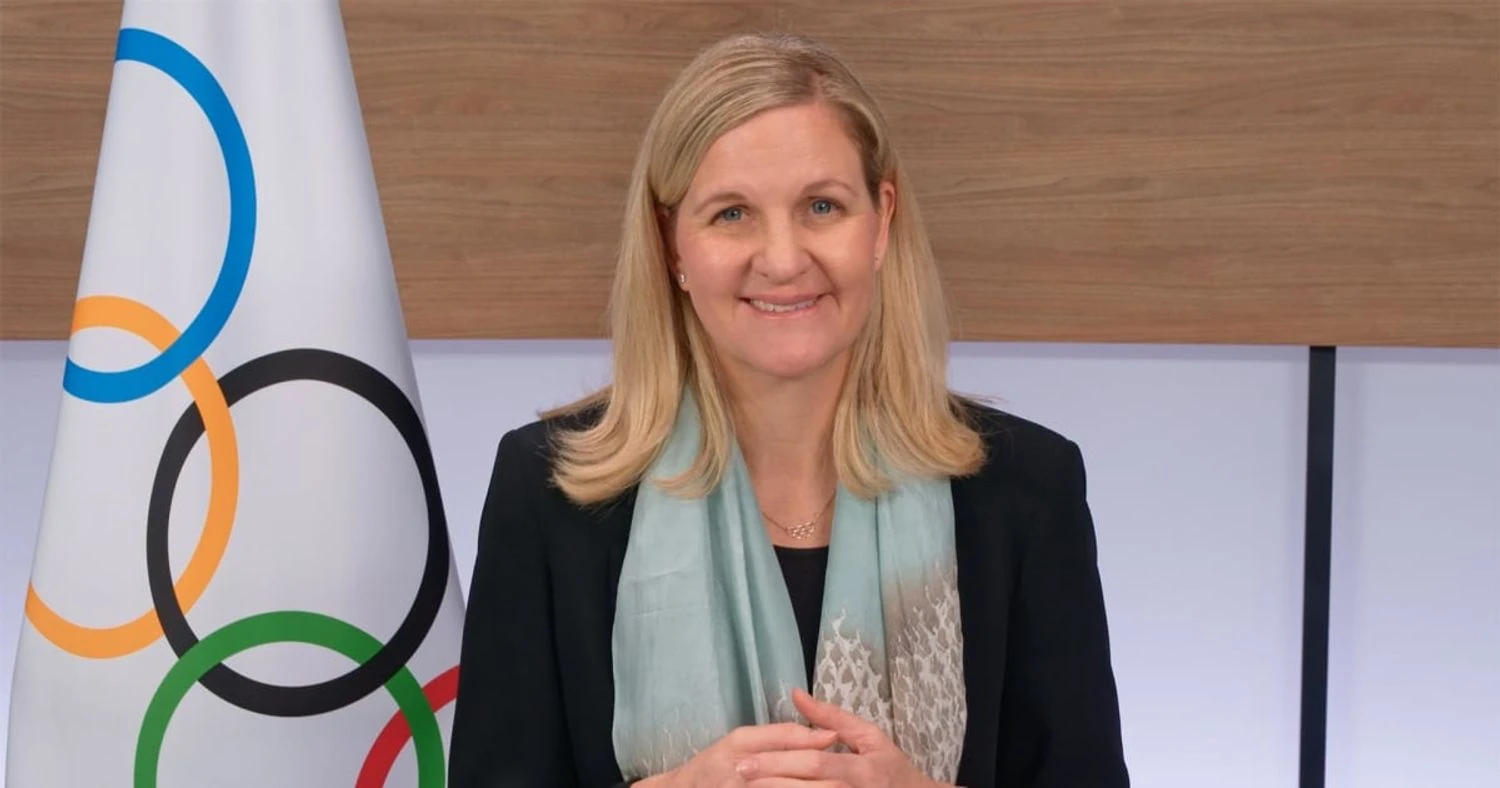
The President of the International Olympic Committee, Kirsty Coventry, in an interview with the Italian Corriere della Sera (according to Reuters, as reported by UNN) confirmed that at the Winter Olympic Games from 6–22 February 2026 in Milan–Cortina Russian athletes will be allowed to compete only as individual athletes — without a national flag or anthem. According to her, even if peace is established, the IOC's position will not change at present.
Context and reasons
After Russia's full‑scale invasion of Ukraine in February 2022, the IOC banned teams from Russia and Belarus from participating in international competitions. Allowing individual Russian and Belarusian athletes to compete without national symbols is a compromise between the desire to preserve the inclusivity of sport and the pressure to hold the state accountable. It is also a way to minimize the risks of politicizing the Olympics and to guarantee the safety of participants and spectators.
Incomplete harmonization of IOC policy
At the same time, Reuters/UNN reported that the IOC recommended permitting some juniors from Russia and Belarus to take part in sporting tournaments with a flag and anthem. Such ambiguity creates practical and ethical difficulties for national federations and organizers — and may become the subject of separate legal and political discussions in the coming months.
"At this stage nothing will change the IOC decision that allows Russian athletes to take part in the February Games only as individual athletes representing themselves."
— Kirsty Coventry, IOC President (Corriere della Sera / Reuters)
What this means for Ukraine
First, the decision maintains international pressure on the Russian state and deprives it of part of symbolic diplomacy through sport. Second, it emphasizes that reintegration into international competitions will be controlled and conditional, not automatic. For Ukraine, it is important to turn these symbolic steps into concrete guarantees — transparent procedures for vetting athletes, cooperation with federations, and attention to the safety and fairness of competitions.
Brief conclusion
The IOC decision is not only a sporting but also a political statement: the international community leaves open the possibility of individual participation, but postpones the return of state symbols. The key going forward is how federations, organizers, and Olympic partners implement this. Whether these rules become a long‑term norm or remain a temporary measure will depend on subsequent diplomatic and organizational actions.