Brief — why you should read this
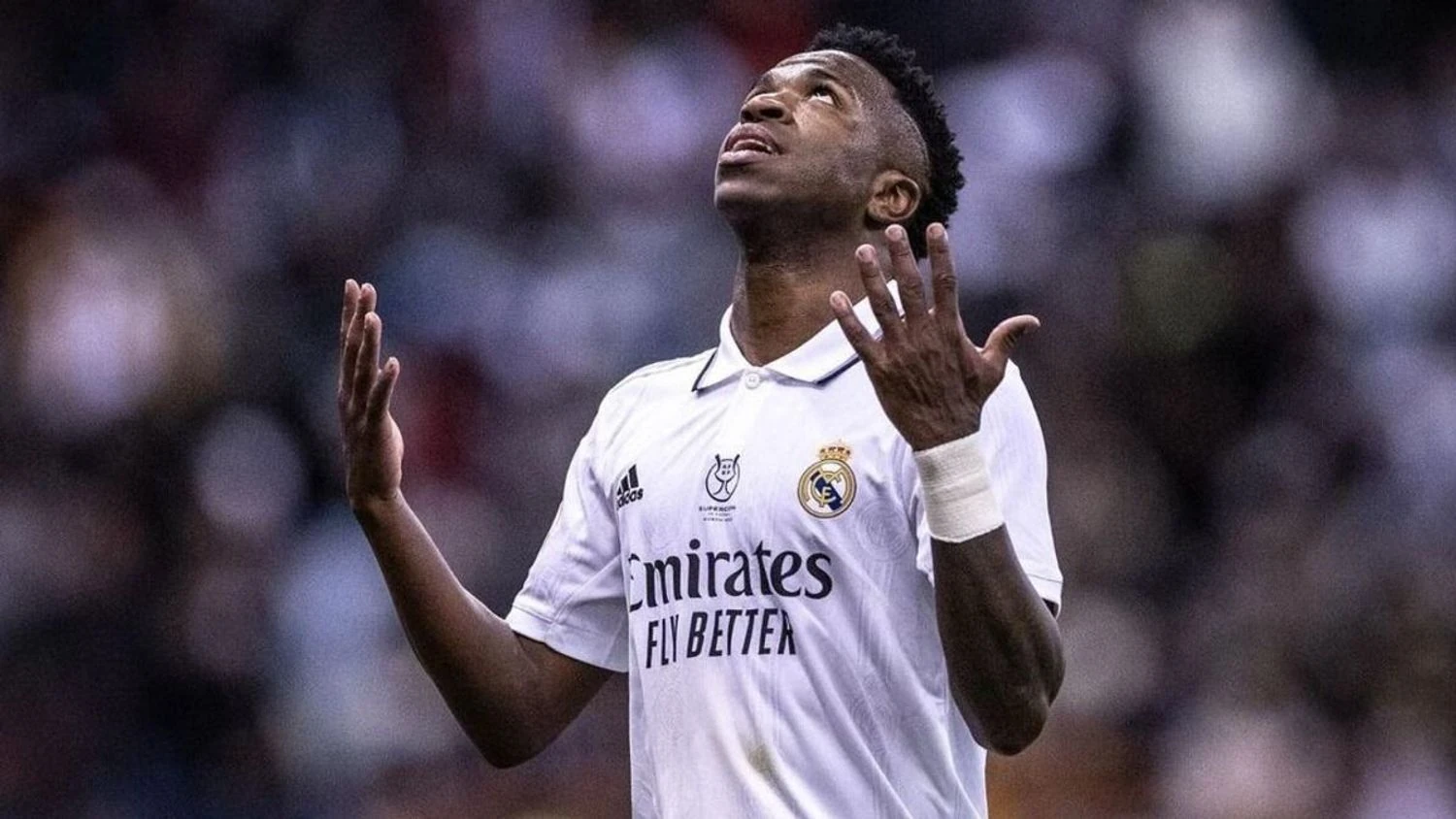
In the Champions League playoff match Benfica — Real (0:1), Brazilian winger Vinícius Júnior was the target of racist abuse after his goal in the 50th minute. According to Real’s official website and UNN, the club confirmed that it is actively cooperating with UEFA’s investigation and thanks the football community for supporting the player.
Investigation and possible consequences
UEFA has already opened procedural actions — these could result in disciplinary sanctions against individuals as well as penalties for the club. For Real, the priority is protecting the player and creating a precedent that shows such behavior will not go unanswered.
"We strongly condemn any manifestations of racism and are fully cooperating with UEFA’s investigation. We thank everyone who has supported Vinícius and will work on systemic measures against hatred."
— Official statement, Real Madrid
Why it matters off the pitch
Racism in football is not only a moral issue. It is a matter of player safety, club reputation, and the trust of fans and sponsors. As experience shows, repeated incidents can lead to fines, the closure of stadium sections, or even suspension from tournaments. That is why UEFA’s reaction and clubs’ determination have practical consequences.
Context and scale
For Vinícius this is not an isolated incident in his career — insults directed at him have previously caused uproar across Europe, and each such case pushes for a review of countermeasures. The football community — from players to organizations — increasingly demands systemic solutions: from rapid responses during matches to educational programs and tougher sanctions.
Conclusion — what’s next
The most constructive outcome would be for UEFA’s investigation to lead not only to punishments but to the implementation of effective prevention mechanisms. If that happens, the incident could become a catalyst for change; if not, the risk of recurrence will remain. For the Ukrainian reader, this case is a reminder: protecting rights and dignity in sport is part of the broader fight for European standards, which we also uphold.