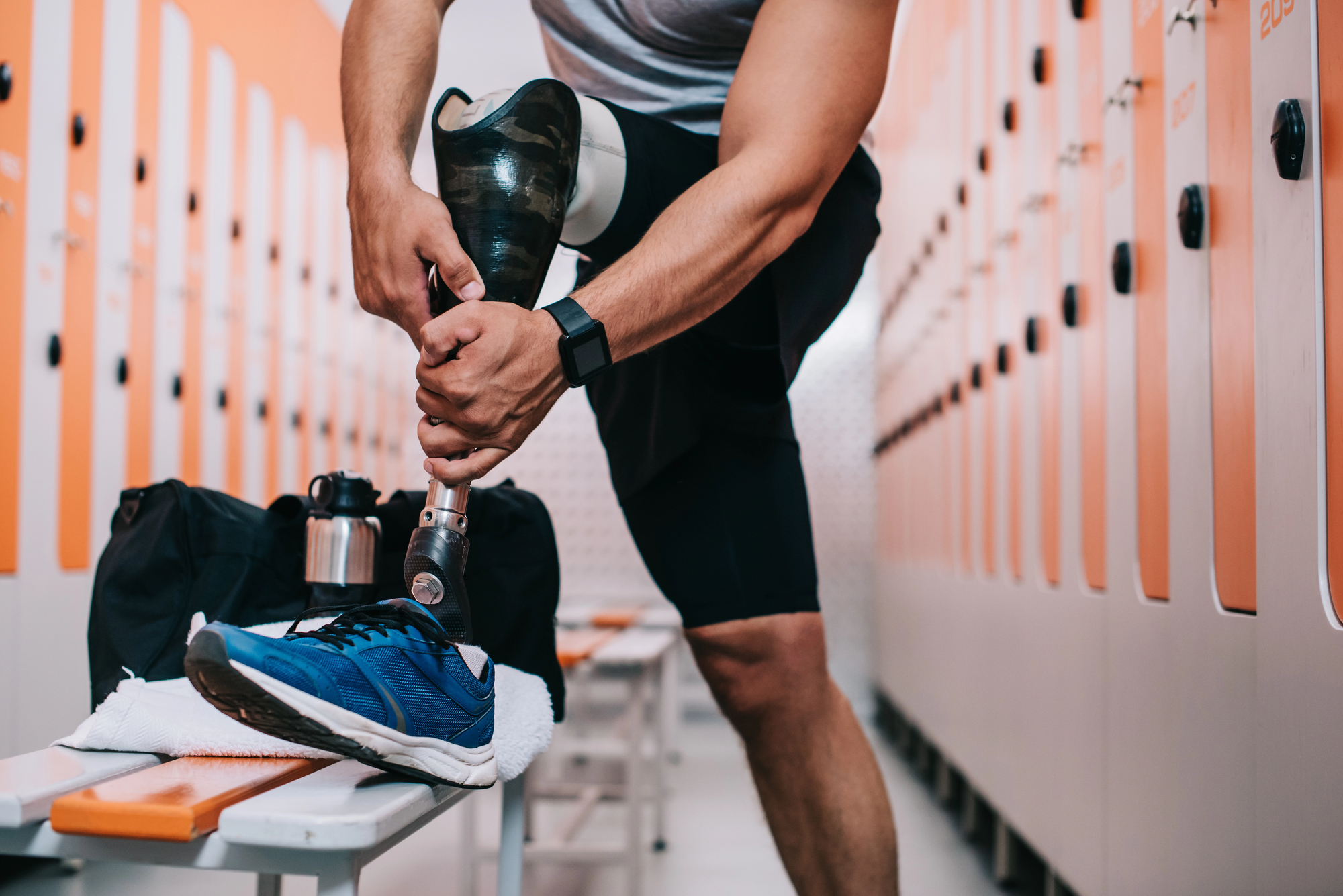
When Ukraine spends 4.5 billion hryvnias per year on prosthetics but lacks the qualified professionals to perform the work properly — this is no longer a medical problem. It's an engineering one. This is the exact logic behind the ADDEX project being developed by KPI named after Igor Sikorsky, the Circle foundation, and IT company appflame.
What opened this time
The course starts on May 26, 2025, and lasts one month. Training will be conducted in a blended format — 36 hours of online lectures and 34 hours of offline practice in KPI laboratories. For participants from other cities, the organizers provide accommodation during the offline practice.
The program covers 3D modeling, 3D printing, and fundamentals of biomedical engineering. But the main point is not the course itself, but where it leads.
A funnel, not a one-time event
The training will be the starting point for those seeking advanced knowledge in biomedical engineering or applied mechanics. Participants will have the opportunity to continue their studies in KPI's master's programs in these specialties.
In 2025, 33 veterans began master's studies within the project. They receive educational grants and a stipend of $200. The introductory course is both a filter and a springboard at the same time: to eliminate those for whom the field doesn't fit, and to prepare those ready to move forward.
Why specifically prosthetics
The answer is in the numbers. A critical shortage of qualified specialists has been identified — approximately 220 professionals. The director of the Prosthetics Foundation Muzychenko confirmed that the shortage exists, but not overall, but by specialization.
"If we're talking specifically about upper limb amputation, where amputation occurs at the mid-forearm level, upper third of the shoulder, or at the shoulder joint — then the number of prosthetists who are willing and able to work in the format of high-functional prosthetics is small"
— director of the Prosthetics Foundation Muzychenko, Interfax-Ukraine
The Laboratory of Prosthetics, Medical Rehabilitation, and Ergotherapy at KPI was opened by appflame with the support of the Genesis for Ukraine foundation. The facility is part of the Biomedical Engineering Faculty and is designed to train engineers for the prosthetics field, particularly war veterans.
Reintegration through shortage
The project model assumes that veterans are not simply recipients of aid, but people motivated to solve a problem they have seen from the inside. Some of them use prosthetics themselves. Along with the personnel shortage, researchers are documenting a "two-speed" system with a critical technological gap between innovative charitable centers and the rest of the network. Engineers with combat experience and understanding of how a prosthetic works from the inside — this is not a metaphor, but a specific qualification.
Registration for the course closed on April 24. If the first two cohorts produce at least one-third of students who reach the master's program and remain in the field — the question will be: will KPI be able to scale the model to other technical universities while the number of complex amputations continues to grow?








