What happened
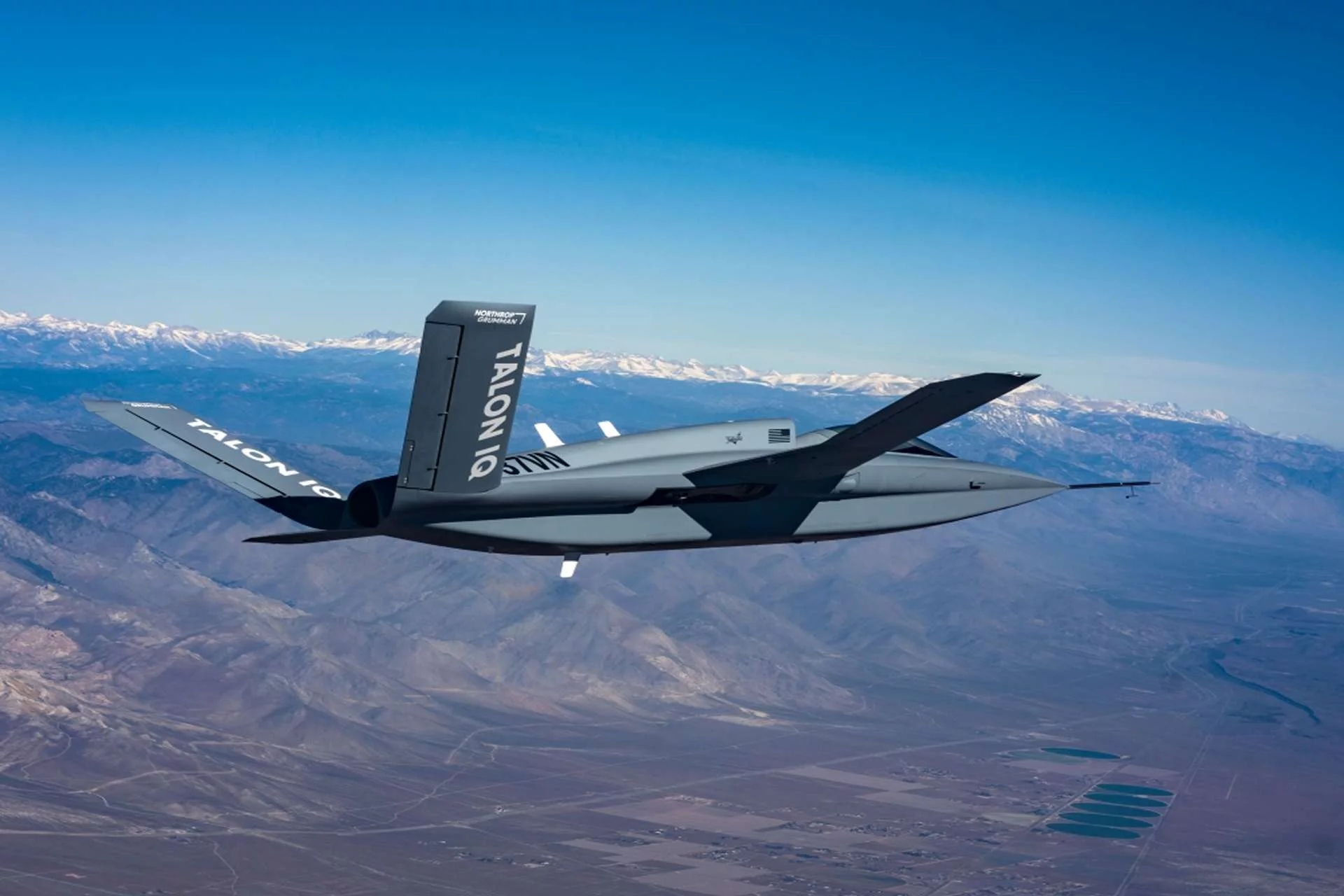
In the United States, flight tests were conducted of the Talon IQ combat drone by Northrop Grumman, equipped with the autonomous Hivemind system from Shield AI. The flight over California included elements of patrol and target engagement drills, as well as real‑time coordination between two autonomous modules.
"During the mission Hivemind carried out part of the tasks, after which control was handed over to Northrop's Prism system. This is the first case of integrating a third‑party AI into their open architecture under the A‑GRA standard"
— Northrop Grumman (press release)
Technical essence — mission autonomy and transfer of control
The key element of the test was the concept of "mission autonomy", where AI makes tactical decisions independently under degraded communications. During the flight Hivemind executed part of the scenarios, after which control was passed to another system (Prism). This kind of modularity complies with the A‑GRA standard used by the U.S. Air Force and allows systems from different developers to be combined within a single ecosystem.
Why this matters for Ukraine
First, Shield AI is already integrating Hivemind into some Ukrainian unmanned platforms — which means accelerated access to advanced decision‑making algorithms. Second, Talon IQ, as a platform with a flight endurance of up to 6 hours and the ability to carry weapons in an internal bay (including AIM‑120 missiles), demonstrates how autonomous systems can act as an extension of manned forces: escort, reconnaissance, and additional weapons carriers.
"The tests show that integrating third‑party AIs into open architectures makes deployment of autonomous solutions faster and more flexible. For partners, this means lower barriers to entry into complex systems"
— defense technology expert (comment based on the press release and open sources)
Risks and limitations
Autonomy increases effectiveness, but it also raises questions of control, the compatibility of rules of engagement, and cyber security. The use of "mission autonomy" in low‑connectivity areas adds an operational advantage but requires clear procedures for transfer of control and target verification.
Context of international practice
Shield AI is experimenting beyond the United States: Japanese ARMD trials and the integration of Hivemind into Ukrainian systems indicate the spread of this platform among allies. This is an example of technological convergence, where commercial startups accelerate the modernization of partner countries' defense capabilities.
Conclusion
The Talon IQ test with Hivemind is not just a demonstration of a single drone's capabilities. It is a test case for a new operational logic: modular AIs, open architectures, and common standards make autonomous solutions more rapidly available to allies. For Ukraine, this means a real prospect of receiving more sophisticated autonomous capabilities sooner, but also the need to develop its own rules for the use and protection of such systems.
Now the question for partners is: how to turn declarations and tests into safe, production‑scale capabilities on the battlefield?