What happened
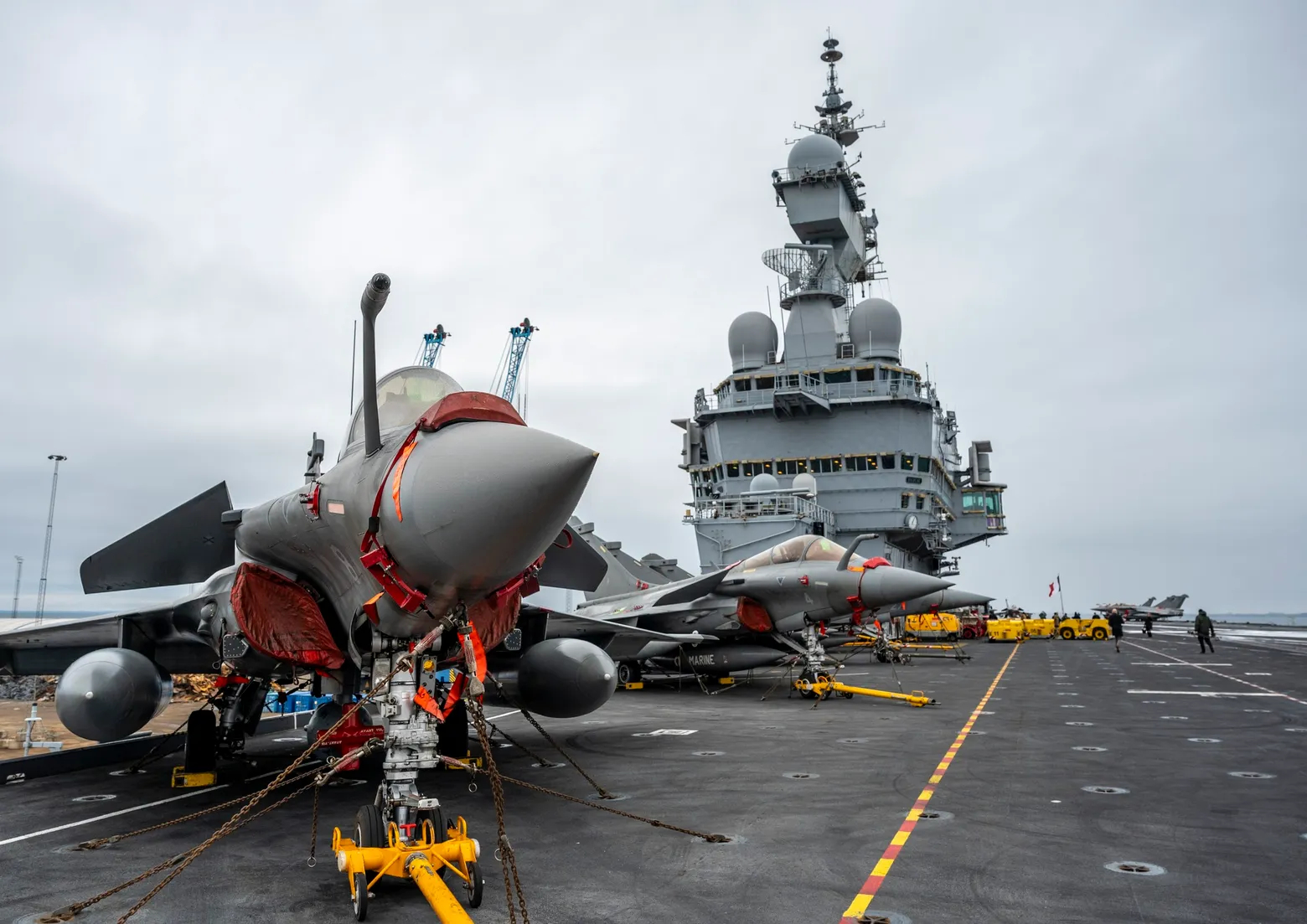
According to Le Monde, one member of the crew of the French aircraft carrier Charles de Gaulle recorded his morning run with a smartwatch, and the data automatically synchronized with his public profile on the Strava service. Analysts who reviewed the open tracks were able to tie the route to the carrier’s location — northwest of Cyprus, roughly 100 km off the coast of Turkey.
French President Emmanuel Macron had earlier reported the deployment of the carrier strike group following the escalation around the conflict involving Israel, the US and Iran.
Why it matters
The situation illustrates a simple technical threat vector: public GPS tracks from fitness apps can inadvertently reveal the positions of ships, bases or units. Even if it seems like a curiosity, the consequences are practical: satellite imagery, open AIS data and social media combined with such tracks provide a fuller picture of movements.
Cyber experts and military analysts warn that technological hygiene in operations — from privacy settings in apps to rules on using personal devices — must be part of the daily discipline of the navy and its allies.
"This is an absurd provocation"
— the French foreign minister (according to official sources)
Parallel incident: a UAV near the carrier
On 26 February 2026 the Swedish broadcaster SVT reported that an unmanned aerial vehicle approached the Charles de Gaulle; it was neutralized by Swedish forces. French officials characterized the event as a provocation and noted that there is currently no public evidence linking a specific state, although media reported a possible Russian origin of the device.
What this means for Ukraine
For our navy and defense structures this case is not an abstract piece of news but a practical warning. Allied maritime presence in the Mediterranean is an element of regional stability; its effectiveness also depends on tactical information security. Ukrainian units and partners operating near mobile devices should update OPSEC rules and training on the use of commercial applications.
Recommended actions: a rapid audit of the use of wearable devices in combat and support units, configuring privacy settings in corporate accounts, issuing guidance for personnel, and imposing technical restrictions on transmitting geodata during operations.
Conclusion
This case is an example of how everyday technology can become a vulnerability in the larger game. While allies strengthen their presence in the region, the question is how quickly the military will change rules on using digital devices. Whether there is enough time for proactive measures depends on the speed of decisions and the discipline of personnel.